
The Grand 'Chappan Bhog' Offering
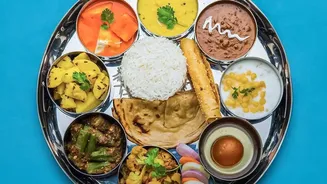
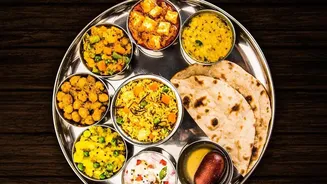
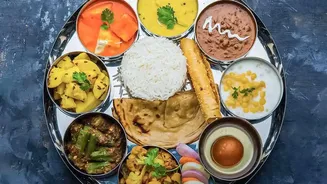
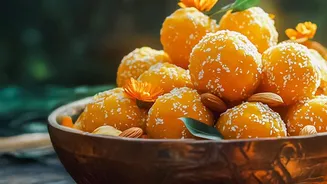
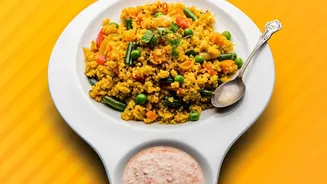
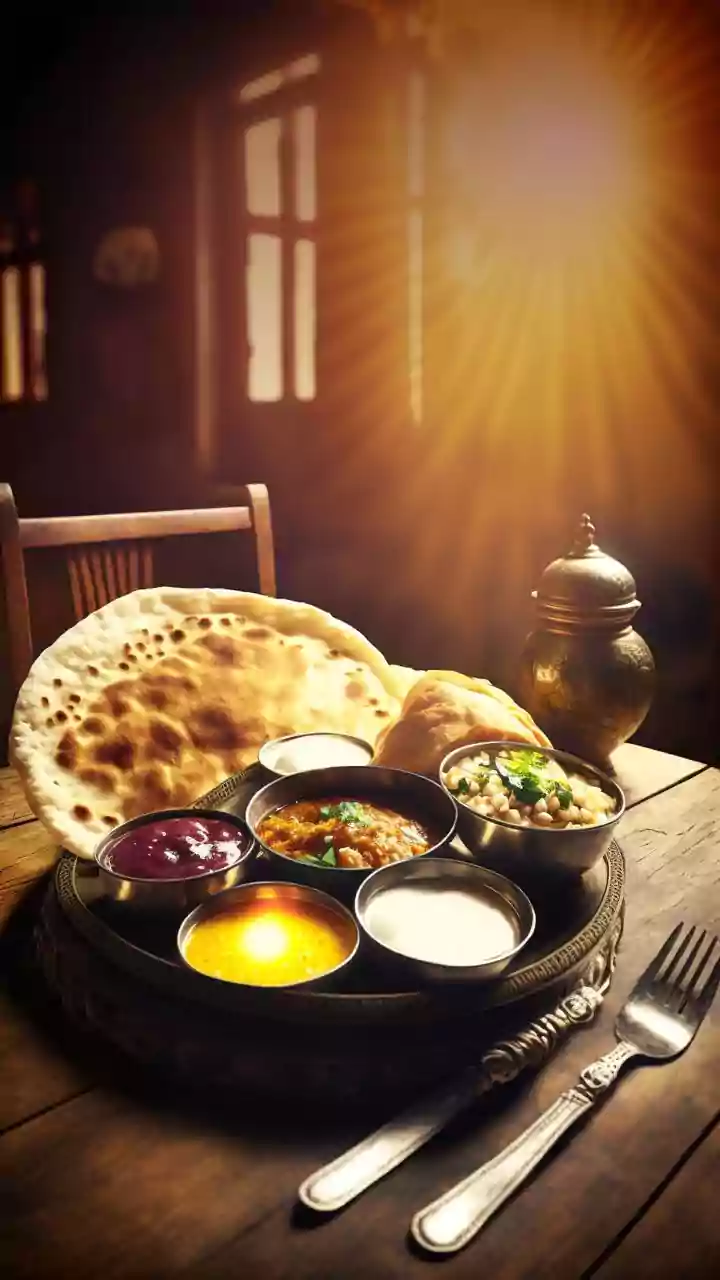
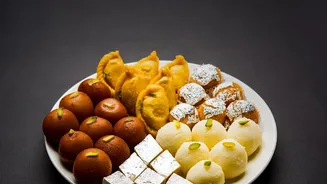
The most spectacular culinary tradition associated with Janmashtami is the 'Chappan Bhog', a grand offering of 56 distinct food items to Lord Krishna. According to mythology, this practice commemorates Krishna lifting the Govardhan Hill to protect the people
of Vrindavan, missing his eight daily meals for seven days. To show their gratitude, the villagers offered him 56 dishes (seven days multiplied by eight meals). This lavish spread includes a variety of sweets, savories, grains, fruits, and drinks. Milk-based items like kheer, rabri, and butter are placed closest to the deity, followed by fried snacks and other preparations, creating a stunning display of abundance and devotion that varies by region and temple.
Mathura & Vrindavan: A World of Milk and Sweets
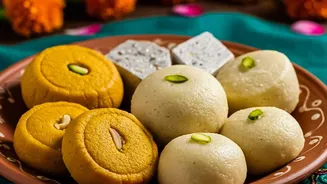
In the heart of Braj, where Krishna spent his childhood, the prasad is a tribute to his love for dairy. The quintessential offering is Makhan Mishri, a simple, divine blend of fresh white butter and rock sugar crystals, believed to be Krishna's favorite. Another iconic sweet is the Mathura Peda, a rich, grainy confection made by slow-roasting milk solids (khoya) with sugar until it develops a beautiful brown hue and caramelised flavour. Devotees also prepare Dhaniya Panjiri, a unique prasad made with roasted coriander powder, ghee, nuts, and sugar, which is especially popular among those fasting from grains.
Maharashtra: The Communal Joy of Gopalkala
In Maharashtra, Janmashtami celebrations are synonymous with the vibrant Dahi Handi tradition, and the food offered reflects this communal spirit. The key prasad is Gopalkala, a savoury mixture that is also placed inside the handi. The dish combines flattened rice (poha) with yogurt, cucumber, coconut, fruits, and spices. The name itself signifies its meaning: 'Gopal' for Krishna and 'kala' for mixture. It represents the meal Krishna shared with his cowherd friends, with everyone contributing ingredients, symbolising togetherness and equality.
Gujarat: Sweet and Savoury Delights
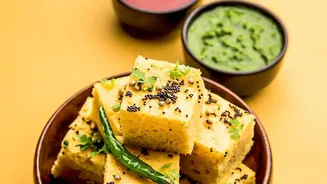
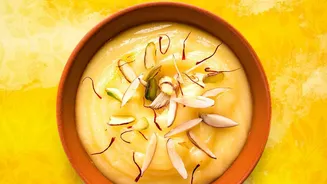
Gujarati households celebrate with a mix of regional favourites adapted for the festival. Shrikhand, a creamy dessert of strained yogurt sweetened with sugar and flavoured with cardamom and saffron, is a popular offering. Another traditional sweet is Mohanthal, a dense, fudge-like cake made from roasted gram flour (besan), ghee, and sugar, often garnished with nuts. On the savoury side, Patra—colocasia leaves layered with a spiced gram flour paste, then rolled, steamed, and sautéed—is also prepared in some homes, adding a uniquely Gujarati flavour to the festive platter.
South India: Crispy Snacks for Krishna Jayanthi
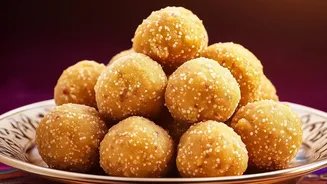
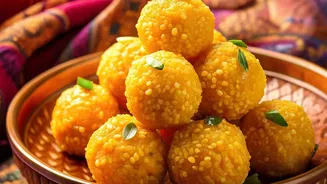
In South India, where the festival is known as Krishna Jayanthi or Gokulashtami, the focus is on a delightful array of homemade sweets and crunchy savouries. The most essential items are Seedai, small, deep-fried balls made from rice flour. They come in two primary forms: Uppu Seedai (savoury) and Vella Seedai (sweet, made with jaggery). Another must-have is Murukku, a spiral-shaped crunchy snack also made from rice and dal flour. Many preparations feature poha (aval), which is linked to the story of Krishna and his friend Sudama, and are offered as Aval Laddus or simply mixed with jaggery and coconut.
Eastern India: Local Harvest and Sweet Fritters
In West Bengal and Odisha, the prasad for Janmashtami incorporates local ingredients and distinct culinary styles. A special delicacy in Bengal is Taler Bora, sweet fritters made from the ripe pulp of the Asian palm fruit (taal), mixed with rice flour, coconut, and sugar, then deep-fried. In Odisha, the prasad traditions are elaborate, often mirroring the offerings at the famous Jagannath Temple in Puri, which include a wide array of rice preparations, dals, and milk-based sweets like Khiri (kheer). These regional dishes showcase how the festival’s culinary expressions are deeply connected to local agriculture and traditions.