






Your Pre-Monsoon Vehicle Health Check
Before you even think about hitting the highway, your car needs a thorough inspection. The single most important safety feature during a downpour is visibility. Start with your wiper blades; if they are cracked, hard, or leave streaks, replace them. It's
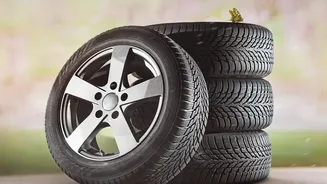
a small investment for a massive safety gain. Top up your windshield washer fluid with a proper cleaning solution, not just water, to help cut through road grime. Next, check all your lights: headlights, taillights, brake lights, and indicators. In heavy rain, you need to see and be seen. Finally, inspect your tyres. They are your only connection to the road, and adequate tread depth is crucial for gripping wet surfaces and preventing skidding. A tread depth of at least 2-3 mm is recommended for monsoon driving. Also, check your brakes. If they feel spongy or make noise, get them serviced immediately as braking distances can significantly increase on wet roads.
Pack an Emergency Kit for Peace of Mind
Hoping for the best but preparing for the worst is a wise motto for any road trip, especially in the rain. A well-stocked emergency kit can be a lifesaver if you get stranded. Your kit should include a powerful torch with extra batteries, a comprehensive first-aid box, and basic tools like a jack and a multi-tool. Given the conditions, also pack items specific to monsoon troubles. A tow strap and jumper cables are essential. Keep a few microfibre cloths handy for wiping down foggy interiors, along with waterproof jackets and an umbrella. It's also smart to carry non-perishable snacks and plenty of drinking water in case you're stuck for an extended period. A fully charged power bank for your mobile phone ensures you can call for help or check for weather updates.
Mastering the Art of Wet-Road Driving
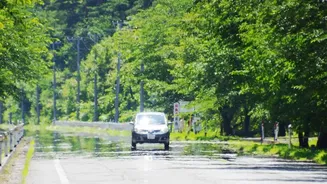
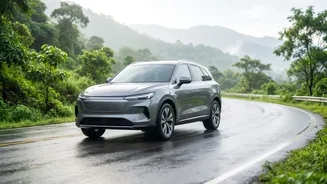
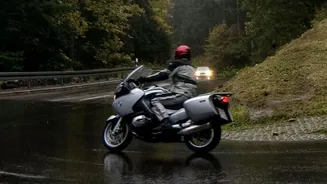
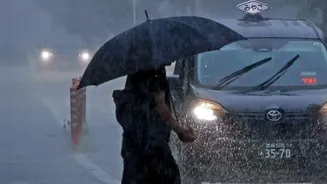
Once you're on the road, your driving style needs to adapt to the conditions. The most important rule is to slow down. Your usual speed is too fast for wet roads. Increase the distance between you and the vehicle ahead to at least double what you'd normally keep; this gives you more time to react and brake safely. Avoid sudden acceleration, braking, or sharp turns, as these can cause you to lose traction. A smooth and gentle approach is key. Always drive with your low-beam headlights on, even during the day, to improve your visibility to others. Be extra cautious on bridges and overpasses, which can be slicker than regular roads. Also, give two-wheelers and pedestrians extra space, as they are more vulnerable in the rain and harder to spot.
The Danger of Hydroplaning
Hydroplaning, or aquaplaning, is one of the most frightening experiences a driver can face. It happens when a layer of water builds up between your tyres and the road surface, leading to a complete loss of steering and braking control. It can happen in a split second. If you feel the car starting to hydroplane, the most important thing is not to panic. Do not slam on the brakes or make sharp turns with the steering wheel. Instead, ease your foot off the accelerator and keep the steering wheel pointed in the direction you want to go. This helps the tyres realign and regain contact with the road. If you must brake and your car has ABS, you can brake normally but gently; otherwise, use a light pumping motion.
Navigating Waterlogged Roads
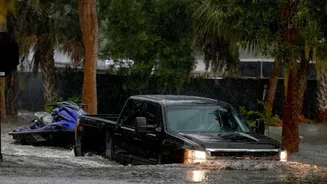
Encountering a flooded street is common during the monsoon. The golden rule is: if in doubt, turn around. It's impossible to know the true depth of the water or what hazards might be hidden underneath, such as open manholes or debris. If you absolutely must proceed, and the water is no higher than the centre of your wheels, do so with extreme caution. Drive slowly and steadily in a low gear, aiming for the centre of the road where the water is often shallowest. Try to avoid stopping. Once you're through, gently tap your brakes a few times to help dry them out and ensure they are working correctly.