



Setting Up for Success
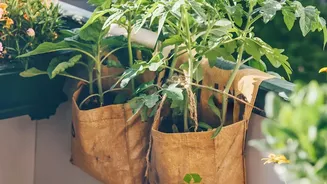
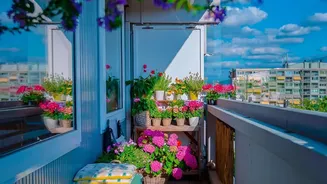
The foundation of a thriving balcony garden lies in three key elements: pots, soil, and sunlight. For herbs, choose containers that have good drainage holes to prevent water from logging at the roots. Terracotta or clay pots are excellent as they are porous.
When it comes to soil, avoid using heavy garden soil, which compacts easily in pots. Instead, opt for a light, well-draining potting mix. A great DIY blend for Indian balconies consists of garden soil, cocopeat (for moisture retention), and compost (for nutrients) in roughly equal parts. This ensures roots get the air and moisture they need without becoming waterlogged. Before planting, observe your balcony to identify the sunny spots. Most herbs need a good amount of light to flourish.
The Royal Touch: Growing Basil
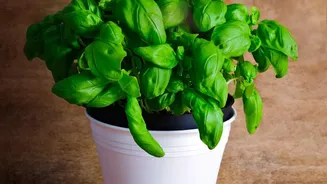
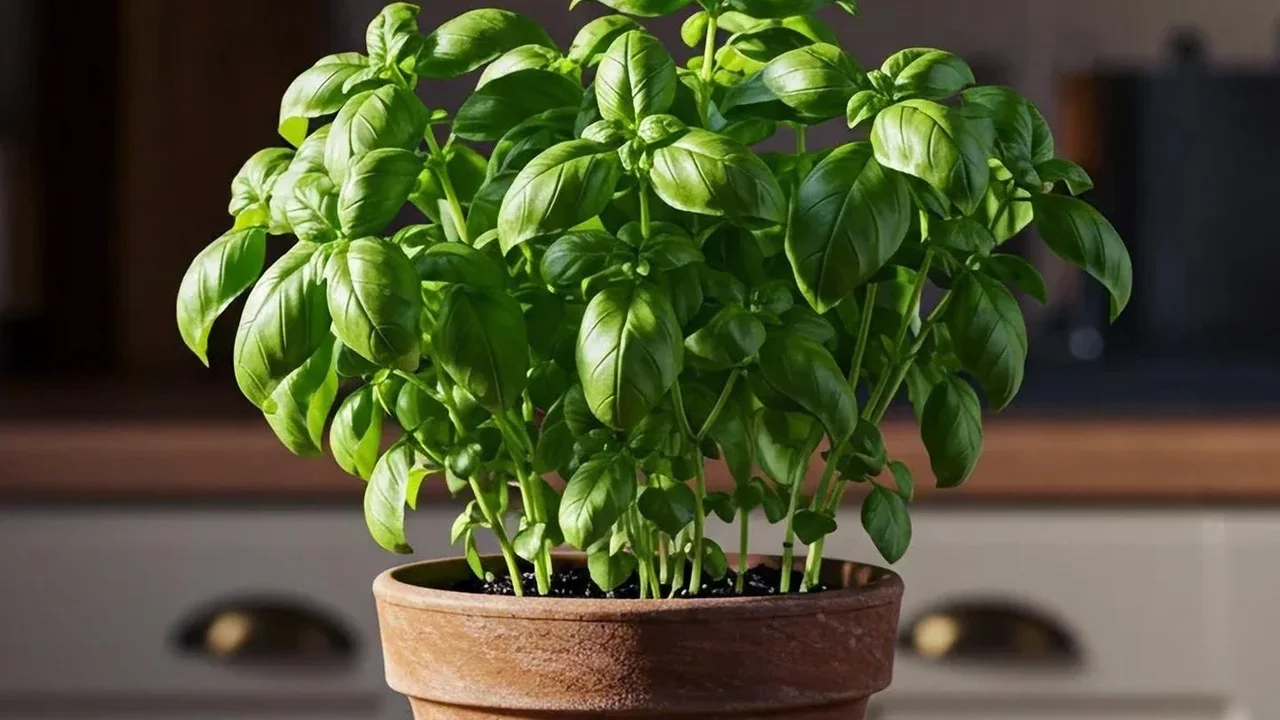
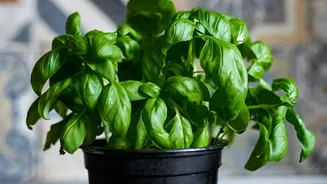
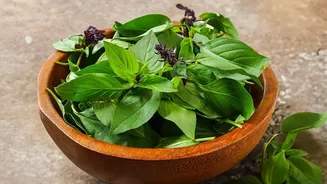
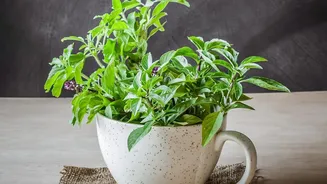
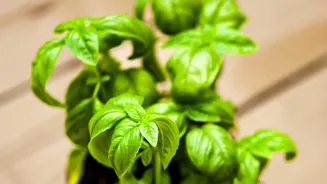
Basil, often called the king of herbs, is a staple in many kitchens and is surprisingly easy to grow in a pot. This herb loves the sun, so place it in a spot that receives at least six to eight hours of direct sunlight daily. In the intense heat of Indian summers, some afternoon shade can prevent the leaves from getting scorched. Water your basil plant when the top inch of the soil feels dry, ensuring it is consistently moist but not soggy. The most important trick for a healthy basil plant is regular pruning. Once the plant is about six inches tall, pinch off the top set of leaves. This encourages the plant to grow bushier and produce more leaves, rather than becoming tall and sparse. Regular harvesting is the key to a long-lasting supply.
The Refreshing Staple: Mastering Mint
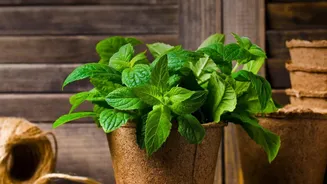
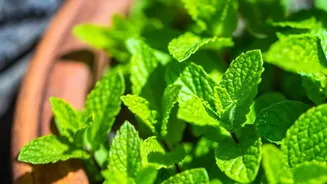
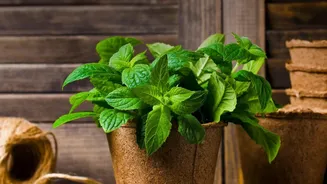
Mint, or pudina, is a must-have for its use in chutneys, raitas, and refreshing drinks. It is famously vigorous and easy to grow, but it has a tendency to take over. To prevent it from spreading and choking out other plants, always grow mint in its own separate container. A pot that is at least 12 inches wide will give it space to spread. Mint is not as sun-hungry as basil and thrives in a spot with morning sun and partial afternoon shade. The key to happy mint is consistently moist soil; it does not like to dry out completely, especially during hot months when daily watering might be necessary. You can easily start a new plant from a few healthy stems bought from the market. Just place the stems in a glass of water, and they will sprout roots within a week or so, ready to be planted.
The Aromatic Essential: Caring for Curry Leaves
No South Indian tadka is complete without the distinct aroma of curry leaves (kadi patta). This plant is actually a small tree and loves warmth and sun, making it well-suited for Indian climates. To thrive on a balcony, it needs a large, deep pot and a location where it can get at least six to eight hours of direct sunlight. Curry leaf plants are sensitive to overwatering, which can cause root rot. Water the plant thoroughly only when the top layer of soil feels dry to the touch. Good drainage is non-negotiable. Using a porous clay pot can help manage moisture levels. To encourage a bushy plant with plenty of leaves, prune the tips regularly. You can also feed the plant with organic fertilisers like compost tea or even leftover buttermilk, which it is known to love.
Smart Habits for Healthy Herbs
Beyond the specific needs of each plant, a few general habits will keep your balcony herb garden flourishing. Feed your potted herbs every few weeks during the growing season. Since they are in containers, they rely entirely on you for nutrients. A liquid seaweed solution or a handful of vermicompost works wonders. Regularly check for pests like aphids or spider mites, which can sometimes appear on balcony plants. A simple spray of neem oil solution can keep most of these pests at bay. Finally, harvest your herbs often. The more you snip, the more they will grow, providing you with a continuous supply of fresh flavours for your kitchen.