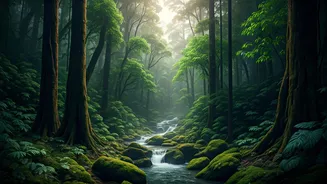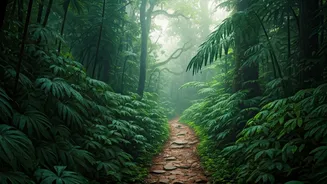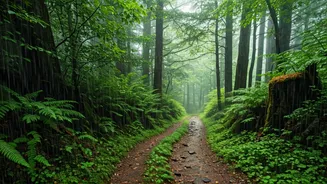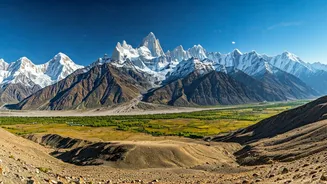





Valley of Flowers National Park, Uttarakhand
This UNESCO World Heritage Site is perhaps the most iconic monsoon destination in North India, and for good reason. The park typically opens on June 1st, but the peak blooming season is from mid-July through August, when the valley floor is carpeted with
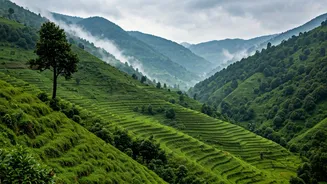
over 500 species of wildflowers. [5] The monsoon rain rejuvenates the flora, creating a vibrant tapestry of colours against a backdrop of misty peaks. [3] Trekkers are greeted with meadows of primulas, orchids, marigolds, and the rare Brahma Kamal. [5] While the trek can be challenging due to rain, the ethereal beauty makes it a bucket-list experience for nature lovers and photographers. [4, 6] It's a place where the mountain air is thick with a heavenly fragrance and the landscape is a riot of colour. [3]
Jim Corbett National Park, Uttarakhand
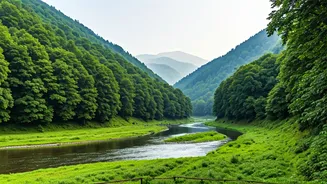
While the core zones of India's oldest national park, like Dhikala and Bijrani, close during the monsoon due to washed-out roads, the adventure doesn't stop entirely. [10, 14] Several buffer zones, including Jhirna, Dhela, and Sitabani, remain open for safaris throughout the year. [13, 24] The monsoon transforms the landscape from parched brown to a vibrant, refreshing green. [12] This season offers a different kind of thrill: fewer tourists, lower prices, and the chance to experience the jungle's lushness in solitude. [13] While wildlife spotting can be more challenging with dense foliage, the forest is alive with the calls of over 200 bird species. [25] Activities like river rafting on the Kosi River also become available, providing another way to enjoy the rain-washed scenery. [27]
Binsar Wildlife Sanctuary, Uttarakhand
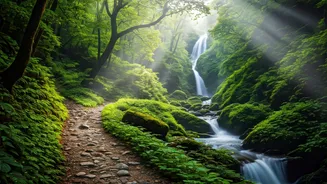
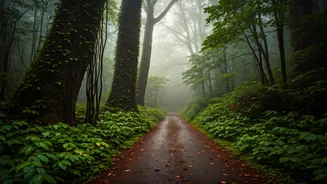
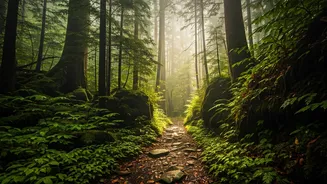
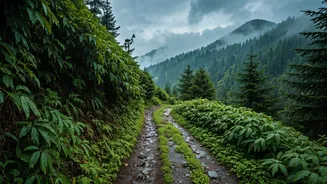
For those seeking peace and solitude, Binsar is a perfect monsoon retreat. Located in the Kumaon Himalayas, this sanctuary becomes exceptionally quiet and green during the rains. [7] The forest floor gets covered in moss, every leaf glistens, and clouds often drift right through your window. Binsar is a paradise for birdwatchers, with over 200 species, including woodpeckers and thrushes, being very active during this time. [7, 17] The main attraction isn't necessarily spotting large mammals, but rather immersing yourself in the tranquil, misty atmosphere of the oak and rhododendron forests. [17] Trails can be slippery, so good hiking shoes are a must, but the reward is a deeply intimate encounter with nature, far from the crowded hill stations. [7, 16]
Great Himalayan National Park, Himachal Pradesh
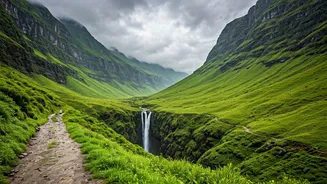
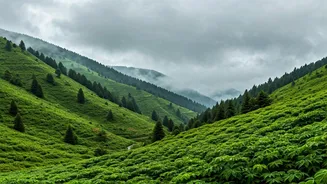
A UNESCO World Heritage Site, the Great Himalayan National Park (GHNP) offers pristine wilderness experiences. While core area treks can be strenuous and are often best avoided in peak monsoon, several trails in the park's Ecozone, like those in the Tirthan and Sainj valleys, are accessible and magical during the rains. [28] These lower-altitude treks take you through dense forests, past gushing waterfalls, and into quaint villages. The monsoon brings out the vibrant greens of the landscape and fills the rivers and streams. Treks like the Hampta Pass, which crosses from the green Kullu Valley to the arid Spiti Valley, offer a dramatic contrast of landscapes and are popular during this season. [31] It’s an ideal time for those who want to see the Himalayas in their most verdant and dramatic state. [29]
Essential Tips for a Monsoon Forest Trip
A successful monsoon forest escape requires some preparation. Pack quick-dry clothing, as cotton does not dry easily in the humid weather. [7] Waterproofing is key—invest in a good rain jacket, rain pants, and a waterproof cover for your backpack. A sturdy pair of hiking shoes with excellent grip is non-negotiable for slippery and muddy trails. [7] Leeches are common in these forests during the monsoon; carrying leech socks or applying salt or sanitizer can help dislodge them. [7] Finally, check the road conditions and park opening statuses before you travel, as landslides can cause closures. Always travel with a certified guide, especially on lesser-known trails.