






Start with Thoughtful Ingredients
The foundation of any great food gift is the quality of its components, but thoughtfulness goes beyond flavor. Today, many people navigate dietary restrictions, from serious allergies to lifestyle choices. When possible, discreetly ask your recipients
about any allergies or diets. The most common allergens include nuts, dairy, eggs, soy, and wheat, which are frequent stars in festive baking. If you're unsure, it's wise to either choose an allergen-free recipe or be extremely clear with your labeling. A gift that someone can't eat, no matter how beautiful, can be disappointing. Beyond allergens, consider the quality of your ingredients. Using fresh spices, good quality chocolate, and pure extracts elevates a simple cookie or bread into a gourmet treat, showing the recipient how much care you put into their gift.
Prioritize Kitchen and Food Safety
A safe gift is as important as a tasty one. Basic food safety practices are non-negotiable. Always start by washing your hands, surfaces, and utensils thoroughly with soap and hot water to prevent cross-contamination. Be especially careful when working with raw ingredients like eggs and flour, which can carry bacteria such as Salmonella and E. coli. This is why it's crucial to resist the temptation to taste raw cookie dough or cake batter. Ensure all your creations are cooked or baked to the recommended temperature for the correct amount of time to eliminate any potential risks. Once your treats are finished, allow them to cool completely before you begin packing them to prevent condensation, which can lead to sogginess and spoilage.
Understand the Shelf Life of Your Gift
Not all homemade treats are created equal when it comes to longevity. It's important to choose a recipe that aligns with when you plan to give the gift. Baked goods with low moisture and high sugar content, like biscotti, shortbread, and crunchy cookies, tend to last longer. Most cookies and breads are shelf-stable for a few days, but they lack the preservatives of store-bought versions and will go stale faster. Items with dairy or cream-based fillings, such as cheesecakes, custard pies, or anything with cream cheese frosting, must be refrigerated and have a much shorter shelf life. These are best for gifting to local friends and family who can enjoy them quickly. For gifts that need to last, consider items like spice rubs, infused oils, jams, or hot cocoa mixes in a jar. As a general rule, it's best to prepare your gifts as close to the delivery time as possible to ensure maximum freshness.
Package for Freshness and Protection
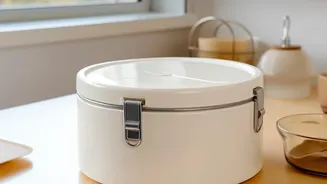
Proper packaging does more than just make your gift look pretty; it preserves freshness and prevents breakage. The most important rule is to use an airtight container. This keeps moist treats like chewy cookies from drying out and prevents crisp items from becoming soft. Tins are an excellent, sturdy, and often decorative choice. For a more budget-friendly option, reusable plastic containers with tight-fitting lids work very well. To prevent items from sticking together or breaking, separate layers with wax or parchment paper. If you're shipping your gift, cushioning is key. Place your primary container inside a sturdy cardboard shipping box with at least two inches of padding—like bubble wrap or crumpled paper—on all sides. This extra buffer helps ensure your beautiful creations don't arrive as a box of crumbs.
Label with Care and Clarity
The final touch to a perfect food gift is a thoughtful label. This is your opportunity to communicate everything the recipient needs to know. A good label should include the name of the treat, the date it was made, a list of all ingredients, and storage instructions. Listing ingredients is especially critical for anyone with food allergies or sensitivities. Simple instructions like "Keep Refrigerated" or "Enjoy within three days" can make a huge difference in how the gift is experienced. You don't need to be a graphic designer; a simple, handwritten tag tied with a ribbon can be just as effective and adds a personal touch. This small step ensures your hard work is enjoyed safely and at its best, completing the gesture of care that inspired the gift in the first place.