




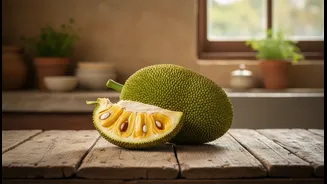



The Great Indian Rediscovery
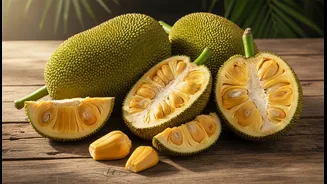
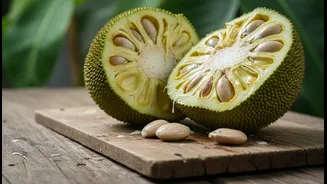
For generations, raw jackfruit, or kathal, has been a familiar sight in Indian homes, especially during the spring and summer months. It was the key ingredient in traditional dishes like the North Indian kathal ki sabzi, a hearty curry often likened to
meat, or Bengal's flavourful enchorer dalna. Despite its deep roots in our culinary history, kathal often remained a seasonal, regional specialty. However, a significant shift is underway. Across the country, home cooks are rediscovering this versatile ingredient, driven by a renewed appreciation for local produce and a desire for wholesome, plant-forward meals. This isn't just about reviving old recipes; it's about reimagining kathal for the modern Indian palate.
The Plant-Based Powerhouse
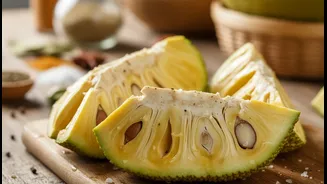
A major driver of kathal's newfound fame is the global and local rise of plant-based eating. Unripe jackfruit has a unique, fibrous texture that, when cooked, uncannily mimics pulled or shredded meat. This has made it a darling of the vegan and vegetarian community, not just abroad but increasingly in India. Its neutral taste is another advantage, allowing it to act as a perfect canvas, absorbing the rich spices of any dish it's added to. This adaptability makes it an ideal and natural substitute in dishes where meat was once the hero, allowing home cooks to create satisfying meals without compromise. While traditionally valued for its own unique qualities, this meat-like texture is now a key reason for its growing popularity in contemporary kitchens.
Beyond the Traditional Sabzi
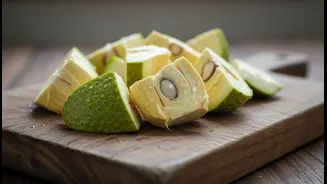
While the classic kathal curry remains a comfort food favourite, today's home cooks are getting far more creative. The dense texture of jackfruit makes it incredibly versatile, lending itself to a wide array of preparations. Kathal biryani is now a celebrated vegetarian centrepiece, where marinated chunks of the fruit are layered with fragrant basmati rice and slow-cooked to perfection. It’s also being shredded for sliders, minced for kebabs that rival their meaty counterparts, and even used in fusion dishes like tacos. In coastal Karnataka, it's used in a dry 'sukka' preparation with coconut and spices, while in Andhra Pradesh, it features in a spicy 'Panasa Puttu Koora'. This culinary experimentation shows that kathal is no longer confined to a single recipe but is being embraced as a multifaceted ingredient.
A Nutritional Heavyweight
The trend is also fuelled by a growing health consciousness. Kathal is packed with nutritional benefits that align perfectly with modern wellness goals. It is an excellent source of dietary fibre, which aids digestion and promotes a feeling of fullness, making it a great choice for weight management. It's also rich in essential vitamins and minerals, including immune-boosting Vitamin C, potassium for heart health, and magnesium, which supports bone health. With a low glycemic index, it can be a good option for blood sugar management. This impressive nutritional profile elevates it from a simple vegetable to a functional superfood in the eyes of many health-aware consumers.