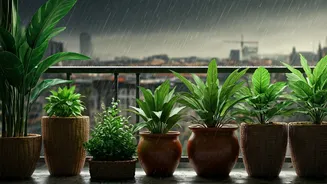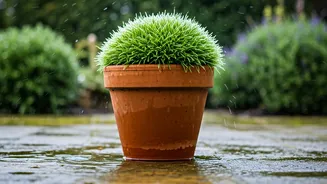




The Mistake: An Overdose of 'Love'
The single biggest mistake you can make with your indoor plants during wet weather is overwatering. [22] It’s the leading cause of houseplant demise, and the humid, overcast days of the Indian monsoon create the perfect storm for this error. [2, 17] Plant
owners, accustomed to a fixed watering schedule from drier months, often continue the same routine. However, with higher humidity in the air and less sunlight, water evaporates much more slowly from the soil. [2, 25] The plant’s water usage also decreases as growth can slow with reduced light. [25] This combination means the soil stays soggy for longer, leading to a cascade of problems that starts right at the roots. [10]
Signs of a Drowning Plant
How can you tell if you're being too generous with the watering can? Your plant will give you several clues. The most common sign is yellowing leaves, often starting with the lower ones, which may feel soft or limp. [4, 8, 11] Paradoxically, the plant might look wilted, even though the soil is wet. [9, 10] This happens because the suffocating roots can no longer absorb water effectively. [4, 10] Other red flags include brown spots on leaves (sometimes with a yellow halo), a musty or rotten smell from the soil, mushy stems near the base, and the appearance of small, annoying fungus gnats, which are attracted to persistently moist conditions. [4, 11] If you're brave enough to check, healthy roots are typically white and firm; overwatered roots will be brown, black, and mushy. [9, 15]
The Right Way to Water in the Monsoon
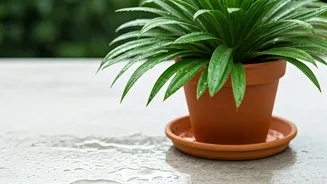
The golden rule during the monsoon is to ditch your rigid schedule and let the plant tell you when it’s thirsty. [24] Before you even think about watering, perform the 'finger test'. [5] Stick your finger about two inches into the soil. If it feels moist, wait a few more days. [5, 9] If it feels dry, it’s time to water. For a less messy approach, a simple wooden chopstick can work wonders; if it comes out clean and dry, the plant needs a drink. [7] When you do water, do it thoroughly until water runs out of the drainage holes. [25] This encourages deep root growth. But—and this is crucial—always empty the saucer underneath the pot afterward. [8, 13] Letting a plant sit in a dish of water is a direct invitation to root rot, the very problem you’re trying to avoid. [9, 15]
More Monsoon Care Tips
Beyond watering, a few other adjustments can help your plants thrive. Ensure your pots have adequate drainage holes; this is non-negotiable during the rainy season. [3, 17, 18] If your soil mix is too dense, consider repotting with a well-draining medium that includes materials like cocopeat or perlite. [9] Good air circulation is also key to preventing fungal diseases, which flourish in damp, stagnant conditions. [3, 6] If possible, space your plants out to improve airflow. [3] Finally, while sunlight is scarce, try to move your plants to the brightest available spot, like a south-facing window, even for a few hours. [12] This helps them photosynthesise and use up some of that soil moisture.