






The Monsoon Dehydration Paradox
It seems counterintuitive to worry about dehydration when there is water everywhere. However, the high humidity of the monsoon season creates a unique problem for our bodies. In dry heat, sweat evaporates quickly, cooling us down effectively. But when the air
is already saturated with moisture, sweat can't evaporate. [2, 3, 15, 29] This leaves you feeling sticky and overheated, as your body’s primary cooling mechanism is hampered. [12, 29] Your body then works harder and sweats more to try and cool down, leading to a sneaky but significant loss of fluids and essential minerals called electrolytes, even when you don't feel particularly thirsty. [5, 15] This is why you might feel fatigued, foggy, or get headaches more often during the rains; these are classic signs of dehydration. [21, 25]
Why Water Alone Is Not Always Enough
While drinking plain water is fundamental, smart monsoon hydration goes a step further. When you sweat excessively in humid conditions, you lose not just water but also electrolytes like sodium and potassium. [6, 15] These minerals are vital for nerve function, muscle contractions, and maintaining proper fluid balance in your cells. [12, 27] Replenishing with only water after significant fluid loss can dilute the electrolytes remaining in your body, potentially leading to an imbalance. This is why focusing on electrolyte-rich fluids is key. Furthermore, the monsoon season brings a heightened risk of water-borne diseases like typhoid, cholera, and gastroenteritis, as water sources can become contaminated. [4, 9, 10] Therefore, the *source* and *type* of your hydration are doubly important.
What to Drink for Smart Hydration
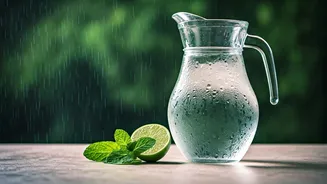
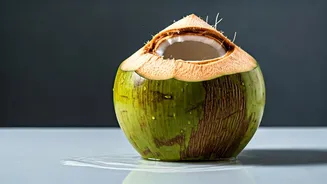
To stay truly hydrated, incorporate a variety of safe and nourishing fluids into your day. Always use boiled or purified water for any drinks you prepare at home. [4, 8, 9] Good options include: Warm Herbal Teas: Teas made with ginger, tulsi, cinnamon, or chamomile not only hydrate but also have anti-inflammatory and antibacterial properties that help boost immunity against common monsoon ailments. [16, 19] Coconut Water: This natural drink is an excellent source of electrolytes, particularly potassium. It's low in calories and effectively replenishes what you lose through sweat. [6, 22] Buttermilk (Chaas): A traditional Indian favourite, buttermilk is a cooling probiotic drink that aids digestion and restores healthy bacteria in the gut. A pinch of black salt or roasted cumin can enhance its benefits. [16] Soups and Broths: Warm vegetable or chicken broths are comforting and an excellent way to replenish fluids, electrolytes, and nutrients. Sattu Sharbat: Made from roasted gram flour, this traditional drink from Bihar is a powerhouse of protein and fibre. It's incredibly cooling and provides sustained energy.
Hydrating Foods to Add to Your Diet
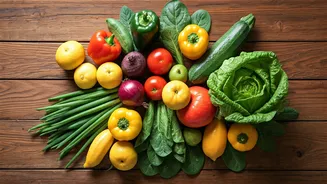
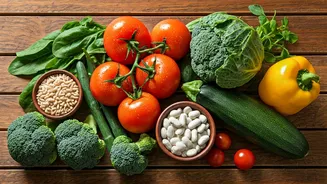
Don't forget that you can also eat your water. Many fruits and vegetables have high water content and can contribute significantly to your daily hydration needs. During the monsoon, it's best to choose produce that is less susceptible to water-logging and contamination. Good choices include gourds like lauki (bottle gourd) and tori (ridge gourd), which have high water content and are easy to digest. [18] Fruits like apples and pomegranates are also great. Watermelon is another excellent hydrating fruit, containing over 90% water along with vitamins and antioxidants. [6] Always ensure you wash all fruits and vegetables thoroughly with clean water before consumption. [8, 14]
What to Limit or Avoid
Just as important as knowing what to consume is knowing what to avoid. To protect yourself from illness and prevent further dehydration, be cautious with the following: Street Food and Juices: Avoid items like pani puri, chaat, and juices from roadside vendors. The water used is often of uncertain quality, posing a high risk of infection. [14, 18, 20] Pre-cut Fruits and Salads: These can be easily contaminated by exposure to the air and are a breeding ground for bacteria in the humid environment. [20, 26] Caffeinated and Sugary Drinks: Coffee, tea, and sugary sodas can act as diuretics, causing your body to lose more fluid. While a cup of masala chai is a monsoon staple, moderation is key. [16, 29] Fried and Heavy Foods: Foods like pakoras and samosas, while tempting, can slow down digestion, which is naturally weaker during the monsoon. This can lead to bloating and other gastric issues. [20, 23]