





The Unattainable Ideal of Perfection
For years, the goal for many homeowners was a space that looked untouched and perfectly curated. Influenced by glossy magazines and later, the endless scroll of social media, the 'showroom home' became a popular but stressful aspiration. Every surface
was to be clear, every cushion chopped, and personal clutter hidden away. The result, however, was often a home that felt more like a sterile museum than a sanctuary. This pursuit of perfection can be exhausting, creating spaces that are cold and impersonal, where inhabitants and guests alike feel they can’t truly relax for fear of disrupting the flawless facade.
The Soul of a Welcoming Space
A welcoming home prioritizes feeling over formula. It’s a space that wraps you in a sense of comfort the moment you walk in. Designers and psychologists agree that this feeling is rooted in creating an environment that signals safety and calm to our nervous system. It’s less about having the right on-trend items and more about the thoughtful layering of personal stories, comfort, and sensory details. A welcoming home is one that exhales, inviting you to do the same. It tells the story of who lives there—their travels, their passions, their family—and in doing so, it feels authentic and alive.
Embrace Your Personal Story
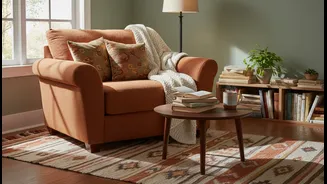
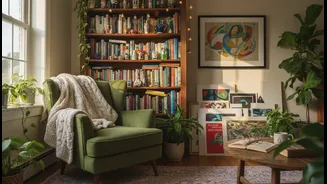
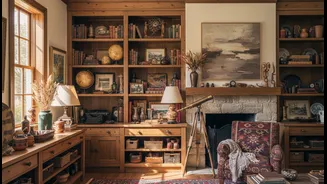
One of the first steps toward a more welcoming home is to let go of an obsession with trends and instead, display what is meaningful to you. That mismatched vase from a flea market, the slightly worn armchair inherited from a grandparent, or your child's first painting—these are the items that give a home its unique character. Rather than hiding these personal touches, designers encourage making them features. Create a gallery wall with family photos and favorite prints, stack books you love on a side table, and use souvenirs as decor. A home filled with objects that have a history feels collected over time, not curated in a single shopping trip.
Layer for Comfort and Warmth
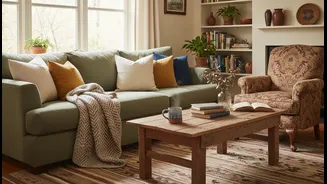
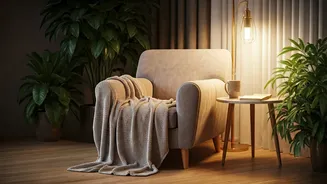
Texture is a designer's secret weapon for adding instant warmth. A truly inviting space engages more than just the eyes; it’s tactile. Think about layering different materials to create depth and coziness. Drape a chunky knit throw over the arm of your sofa, add velvet or linen cushions in different shapes and sizes, and place a soft rug underfoot to define a seating area. This mix of textures—from smooth wood and cool metal to soft wool and plush fabrics—makes a room feel more complex, interesting, and comfortable.
Master the Art of Lighting
No element changes the mood of a room faster than lighting. A single, harsh overhead light can make any space feel cold and clinical. The key to a welcoming glow is to layer your lighting from different sources and at different heights. Use a combination of ambient (overhead), task (table or floor lamps), and accent (picture lights) lighting. Opt for warm-toned bulbs to mimic the gentle glow of candlelight, and install dimmer switches wherever possible. This allows you to adjust the light for any occasion, from a bright and functional workspace to a soft, intimate setting for relaxing in the evening.
Design for Real, Everyday Life
Ultimately, a welcoming home is one that is designed for the people who live in it, not for hypothetical guests. Arrange your furniture to encourage conversation rather than lining it up against the walls. Create small, functional nooks that support your daily rituals, like a comfortable chair and a good lamp for reading, or a well-stocked coffee bar in the kitchen. When a home is designed around the patterns of daily life, it becomes an effortless backdrop for comfort and connection. It doesn’t demand perfection; it supports living.