




The True Cost of a Takeaway
We've all done the math in our heads. A home-cooked meal of dal and rice feels cheaper than the ₹300-plus bill for a single person's order from a food delivery app. A simple thali at a budget restaurant can cost around ₹80, while cooking a similar meal at home might
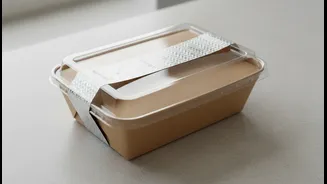
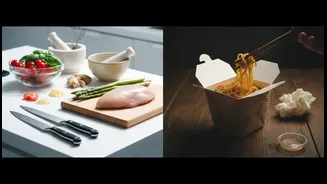
only be ₹25 in raw materials. However, the final price on apps like Swiggy or Zomato is often inflated by a slew of charges beyond the menu price, including delivery fees, platform fees, taxes, and packaging, sometimes making a meal 50-100% more expensive than its dine-in price. A biryani that is ₹180 at the restaurant can easily become ₹321 when delivered. This convenience premium, the price you pay for not having to cook, adds up significantly. Yet, we continue to order because of the perceived time and effort saved. That convenience is precisely what home cooking must compete with.
The Myth of the 30-Minute Meal
The promise of a '30-minute recipe' is one of modern cooking's greatest fictions. The clock might start when the flame is lit, but it conveniently ignores the time spent gathering and prepping ingredients—the washing, peeling, and chopping. Then there’s the time spent frying onions until they are perfectly caramelised, a staple in many Indian dishes. And it certainly doesn't account for the final, and often most dreaded, task: cleaning up. When you factor in the entire process from pulling vegetables out of the fridge to the last pot being washed and put away, that 30-minute meal can easily stretch to an hour or more. In that time, a takeaway could have been ordered, delivered, and eaten. The feeling of being time-poor is what makes the allure of ordering in so powerful. The only way to beat it is to change the way we think about speed in the kitchen.
Redefining 'Quick': It's a System, Not a Recipe
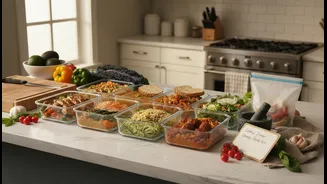
Truly fast home cooking isn't about finding a magic recipe that cooks in 15 minutes. It’s about creating a system that makes the entire cooking process more efficient. This is where the concept of meal prepping, adapted for the Indian kitchen, becomes a game-changer. It’s not about packing five identical boxes of dal and rice for the week. Instead, it’s about 'component prep'. By preparing the building blocks of your meals in advance, you can assemble a fresh, hot meal in minutes. This approach transforms cooking from a lengthy project into a quick assembly job, making it genuinely faster than waiting for a delivery rider.
Your New 20-Minute Kitchen Strategy
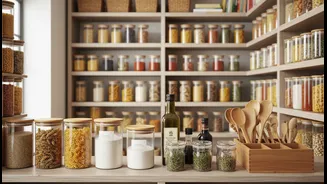
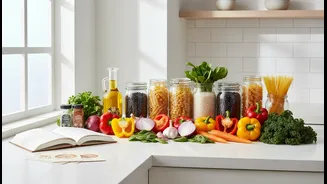
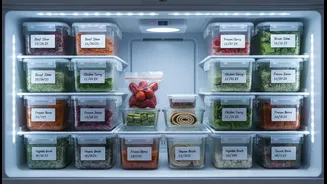
To make home cooking consistently faster than ordering, focus on weekend prep. Spend an hour on Sunday to set yourself up for the week. The most effective strategy is making a large batch of the foundational onion-tomato base gravy. This base is the starting point for countless Indian dishes, from dal makhani to paneer butter masala. Freezing this in portioned containers means you can skip the time-consuming step of frying onions and tomatoes every night. Similarly, prepare ginger-garlic paste in bulk and freeze it in ice cube trays for easy use. You can also wash and chop sturdy vegetables like carrots, beans, and capsicum and store them in airtight containers. Another key is to batch cook core ingredients like lentils, chickpeas, or kidney beans using a pressure cooker, which dramatically cuts down cooking time. With these components ready, a weeknight curry can come together in under 20 minutes.
The Real Win: Reclaiming Time and Money
The goal isn't to eliminate takeaways forever but to make cooking at home so convenient that ordering in becomes a conscious choice, not a desperate one. When you have a system in place—base gravies in the freezer, pre-chopped vegetables in the fridge, and cooked lentils ready to go—you're no longer comparing a one-hour cooking marathon to a 30-minute delivery. You're comparing a 15-minute assembly and cooking job to that same delivery. In that matchup, cooking at home wins not just on cost, but often on time as well. The financial savings are just the bonus. The true victory is reclaiming your weeknights from the stress of the 'what's for dinner' dilemma and the drain on your bank account, one genuinely quick meal at a time.