




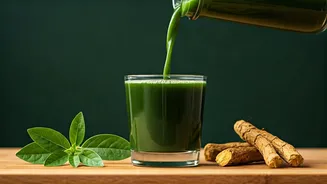


The Upgrade to Your Summer Staple
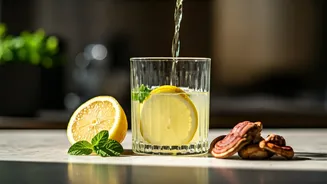
Picture your classic summer lemonade: tart, sweet, and perfectly refreshing. Now, imagine it infused with ingredients designed not just to quench your thirst, but to help your body manage stress. That's the concept behind adaptogenic lemonade, a beverage
quickly becoming a fixture in the coolers and refrigerators of active, wellness-focused young adults. This isn't your childhood lemonade stand fare. It’s part of a larger movement toward “functional beverages”—drinks that do more than just hydrate. For a generation that grew up with Red Bull but is now seeking healthier alternatives, these sophisticated sips offer a guilt-free way to feel good, stay energized, and beat the summer heat.
So, What's an Adaptogen?
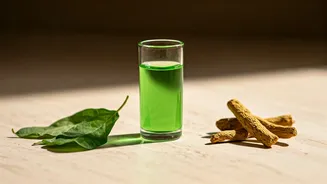
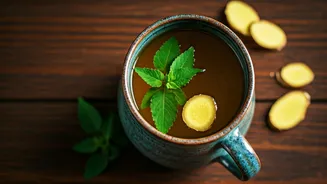
Let’s demystify the key ingredient. Adaptogens are a class of non-toxic plants, herbs, and mushrooms that are believed to help the body resist stressors of all kinds, whether physical, chemical, or biological. The term was coined in the mid-20th century by a Soviet scientist, but the ingredients themselves have been staples in traditional Chinese and Ayurvedic medicine for centuries. Think of them as your body's personal thermostat, helping you return to a state of balance, or homeostasis. Common adaptogens you might see on an ingredient list include ashwagandha (often associated with calming effects and stress reduction), rhodiola rosea (linked to fighting fatigue and boosting energy), and holy basil (or tulsi, prized for its supposed ability to reduce anxiety). The theory is that by consuming them regularly, you can build resilience to the daily grind.
Why Lemonade Got the Functional Makeover
The choice of lemonade as the delivery vehicle is a stroke of marketing genius. It’s a universally beloved, nostalgic flavor that provides the perfect canvas. The natural tartness of lemon masks the sometimes earthy or bitter taste of herbal extracts, making the wellness component palatable and even delicious. For the “active grad” demographic—a group navigating the pressures of new careers, demanding social lives, and a commitment to fitness—a drink that promises both refreshment and stress management is a compelling proposition. It’s a smarter swap for the sugary sodas or artificially flavored drinks they’ve left behind. It fits neatly into a modern wellness routine that prioritizes clean ingredients, low sugar, and tangible benefits, even if those benefits are subtle.
Reading Between the Botanical Lines
As with any wellness trend, it pays to be a savvy consumer. The market for adaptogenic products is booming, and not all lemonades are created equal. When browsing the aisle, look for brands that are transparent about their sourcing and the quantity of adaptogens in each serving. The term “proprietary blend” can sometimes obscure low, ineffective doses. It’s also important to manage expectations. While adaptogens are backed by centuries of traditional use and some promising modern studies, many of the health claims you see on packaging are not evaluated or approved by the Food and Drug Administration (FDA). Think of these drinks as a supportive tool in your wellness toolkit, not a magic potion. They complement a healthy lifestyle of good sleep, regular exercise, and a balanced diet—they don’t replace it.