



Monitor Official Weather Alerts
Before you even pack your bags, your first step should be to become a diligent follower of weather forecasts. The India Meteorological Department (IMD) is the most reliable source for weather updates. As of late August 2026, the IMD has issued alerts
for heavy to extremely heavy rainfall in states like Odisha, Chhattisgarh, Uttarakhand, and parts of Uttar Pradesh and the Northeast. These alerts are not just general advisories; they often come with colour codes (Yellow, Orange, Red) that indicate the severity of expected weather and the level of preparedness required. Check the IMD website for daily bulletins and any specific warnings for your destination and the regions you might be travelling through. Planning your itinerary around these official forecasts is the most critical step to avoid getting stranded.
Verify Your Transportation Status
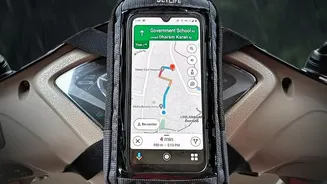
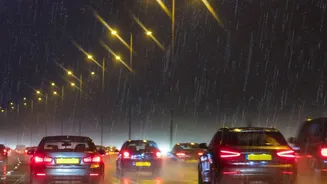
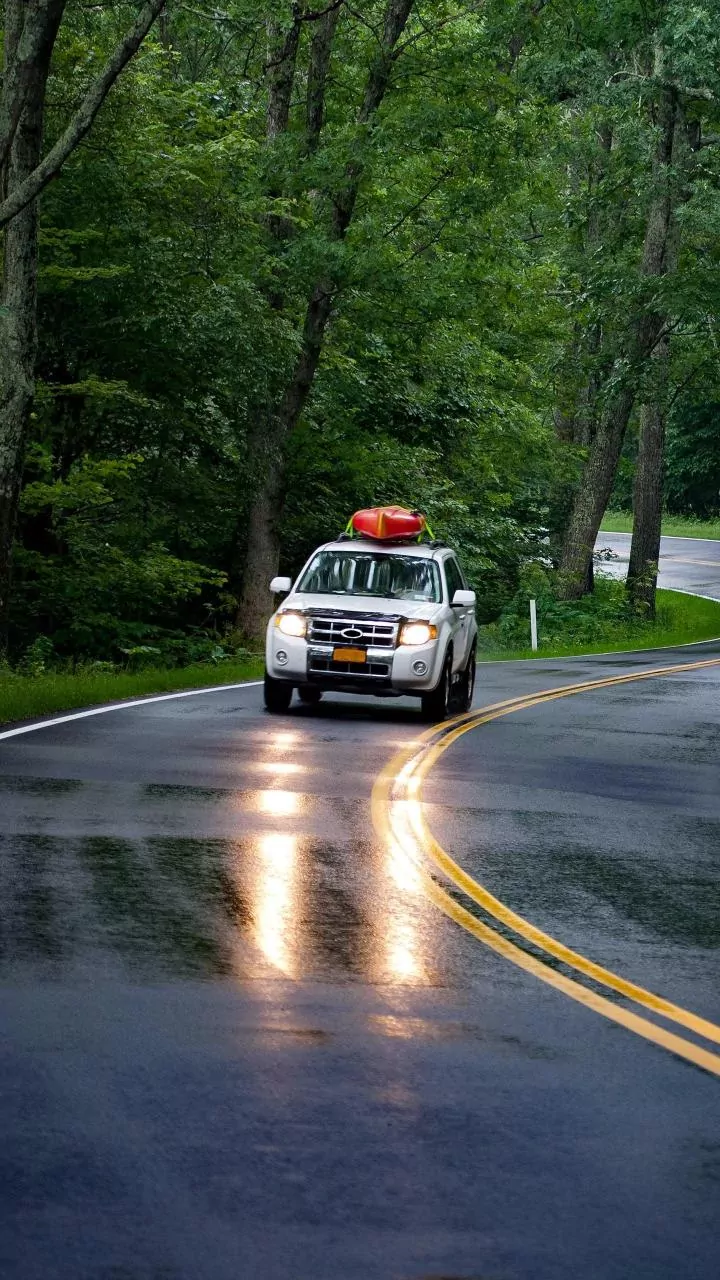
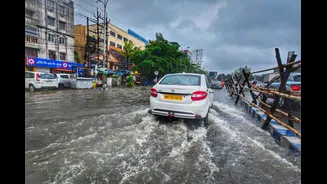
Heavy rains directly impact all modes of transport. Flights can be delayed, diverted, or cancelled due to poor visibility and stormy conditions at airports. Airlines often issue travel advisories during severe weather, so it is essential to check your flight status directly with the airline before heading to the airport. For train journeys, be aware that heavy downpours can lead to waterlogging on tracks and, in hilly areas, landslides that can block routes. Check the real-time status of your train online. If you are planning a road trip, be extra cautious. Rain makes roads slippery, reduces visibility, and can hide dangerous potholes. Hilly routes in states like Uttarakhand and Himachal Pradesh are particularly vulnerable to landslides. Before you start, check for road closure updates from local authorities or the National Highways Authority of India (NHAI) helpline. It is always safer to drive during the day and avoid waterlogged streets, as the depth can be deceptive.
Confirm Your Accommodation and Local Conditions
Just because your flight has landed or your train has arrived doesn't mean your travel hurdles are over. Before departure, call your hotel or resort to confirm your booking and, more importantly, to ask about the local situation. Is the property accessible? Are the roads leading to it open? This is especially crucial if you are heading to a remote or hillside resort. Heavy rains can cause local flooding and cut off access to certain areas. Ask about the status of local tourist spots you plan to visit, as many may be closed due to safety concerns. Also, inquire about potential power cuts, which are common during storms, and whether the hotel has backup power arrangements.
Pack a Monsoon-Ready Kit
Your packing list needs a few monsoon-specific additions. Beyond a sturdy umbrella and raincoat, think about practicalities. Quick-drying clothes made of synthetic fabrics are a better choice than cotton. Pack an extra pair of footwear; waterproof sandals or floaters are ideal for navigating wet streets. Electronics are vulnerable to moisture, so keep your phone, camera, and other gadgets in waterproof bags or pouches. A fully charged power bank is a non-negotiable essential, as power outages can be frequent. Also include a basic first-aid kit with medications for common ailments like fever and indigestion, as well as antiseptic creams and mosquito repellent, as the rainy season can see a rise in water-borne diseases and insects.
Prioritise Health and Safety
The monsoon season can increase health risks. Water contamination is a major concern, so stick to bottled or purified water and avoid drinking from unreliable sources. Be cautious about street food, especially items that may have been exposed to rain or prepared in unhygienic conditions. Opt for freshly prepared hot meals. Keep emergency contact numbers handy, including those for local authorities, your hotel, and local hospitals. Let your family or friends know your itinerary and check in with them regularly. Finally, be flexible. A rigid itinerary is a recipe for stress during the monsoon. Be prepared to change your plans, wait out a downpour, or even cancel a leg of your journey if conditions become unsafe.