






The Challenge for Modern Farming
Farming in the 21st century faces a dual crisis: the need to feed a growing global population while simultaneously battling the effects of climate change. Traditional agricultural methods, heavily reliant on synthetic chemical fertilizers, have boosted
yields but at a significant environmental cost. These chemicals can degrade soil health over time, pollute waterways, and release powerful greenhouse gases like nitrous oxide. In India, years of intensive farming have led to nutrient imbalances in the soil and depleted the natural microbial populations that keep it healthy and fertile. This creates a cycle where more chemical inputs are needed just to maintain yields, increasing costs for farmers and further damaging the environment.
Enter the Microbes: Nature's Solution
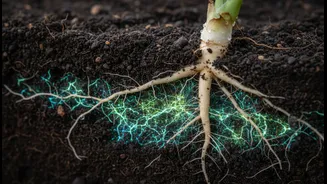
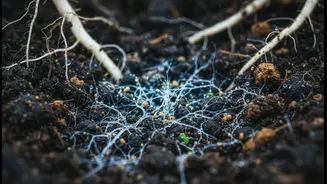
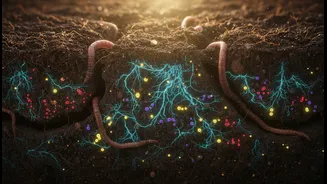
Scientists and agri-tech innovators are now looking to the soil itself for a solution, specifically to its microbiome. Just like the human gut, soil is a bustling ecosystem teeming with billions of bacteria, fungi, and other microorganisms. These tiny organisms are vital for a healthy planet. They break down organic matter, cycle nutrients, and help store vast amounts of carbon in the soil. The new frontier in 'climate farming' — a set of practices designed to make agriculture more sustainable and resilient — is harnessing the power of these beneficial microbes. By introducing specific strains of bacteria into the soil, farmers can achieve remarkable results.
How Bacteria Boost Climate-Smart Farming
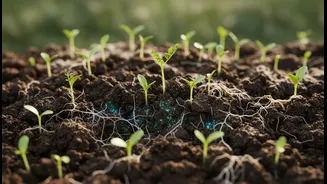
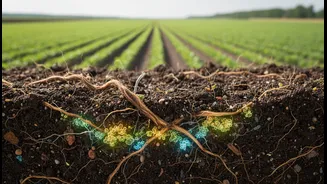
These microbial solutions, often sold as biofertilizers or soil inoculants, work in several powerful ways. Certain bacteria are experts at 'nitrogen fixation', pulling nitrogen from the air and converting it into a form that plants can use as food. This reduces or even eliminates the need for synthetic nitrogen fertilizers, which are energy-intensive to produce and a major source of greenhouse gas emissions. Other bacteria excel at freeing up phosphorus and potassium already in the soil, making these key nutrients available to crops. These plant growth-promoting bacteria also improve soil structure, help plants withstand stresses like drought and high salinity, and even protect them from diseases, acting as natural pesticides. By fostering a healthier, more active soil ecosystem, these microbes help the land sequester more carbon, turning farms into valuable carbon sinks.
The Business of Bio-solutions
This emerging field is not just an environmental win; it's a rapidly growing business sector. Agri-tech startups and established companies are developing and marketing innovative microbial products. Companies like Pivot Bio in the U.S. have engineered microbes that deliver nitrogen directly to corn roots, and their products are now used on millions of acres. In India, where soil health is a pressing issue, microbial solutions offer a path toward restoring land and improving profitability for farmers. Testimonials from Indian farmers using microbial kits report improved growth, reduced fungal infections, and better decomposition of organic matter, leading to healthier crops and soil. The shift represents a move towards Integrated Nutrient Management, where biological solutions complement or replace chemical ones, creating a more resilient and profitable agricultural system.
Challenges on the Horizon
Despite the immense promise, widespread adoption faces hurdles. One major challenge is ensuring product quality and overcoming farmer skepticism, which is sometimes fueled by counterfeit or ineffective products on the market. Soil is a complex and highly variable environment; a microbial strain that works wonders in one field might be less effective in another. Therefore, significant research is ongoing to understand these complex interactions and develop tailored solutions for different soil types and climates. Education and creating robust regulatory frameworks will be key to building trust and ensuring farmers get the reliable, high-quality biological products they need.