


The Rise of a New Tourism
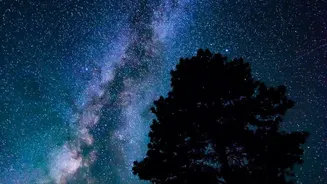
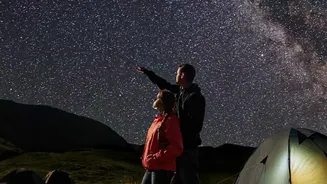
Imagine a sky so full of stars that the Milky Way casts a faint shadow on the ground. This isn't science fiction; it's the reality in a few precious, untouched corners of the world. As light pollution blankets most urban areas, a growing number of travellers
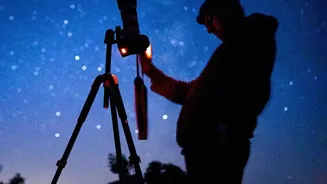
are seeking out these rare dark zones. This quest has given rise to 'dark-sky tourism,' or 'astrotourism,' a travel trend centered on experiencing the night sky in its most natural, unobscured glory. It's a journey away from the glare of modern life to witness celestial phenomena—from constellations and planets to meteor showers and distant galaxies—that are invisible to most of the world's population. This form of tourism is not just about pretty views; it's a movement towards preserving one of nature's most fundamental wonders.
Why Spiti is a Stargazer's Paradise
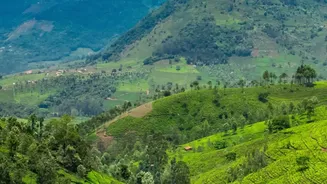
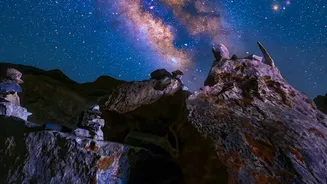
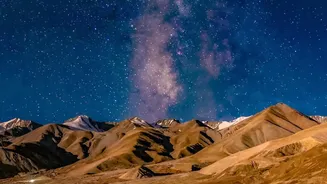
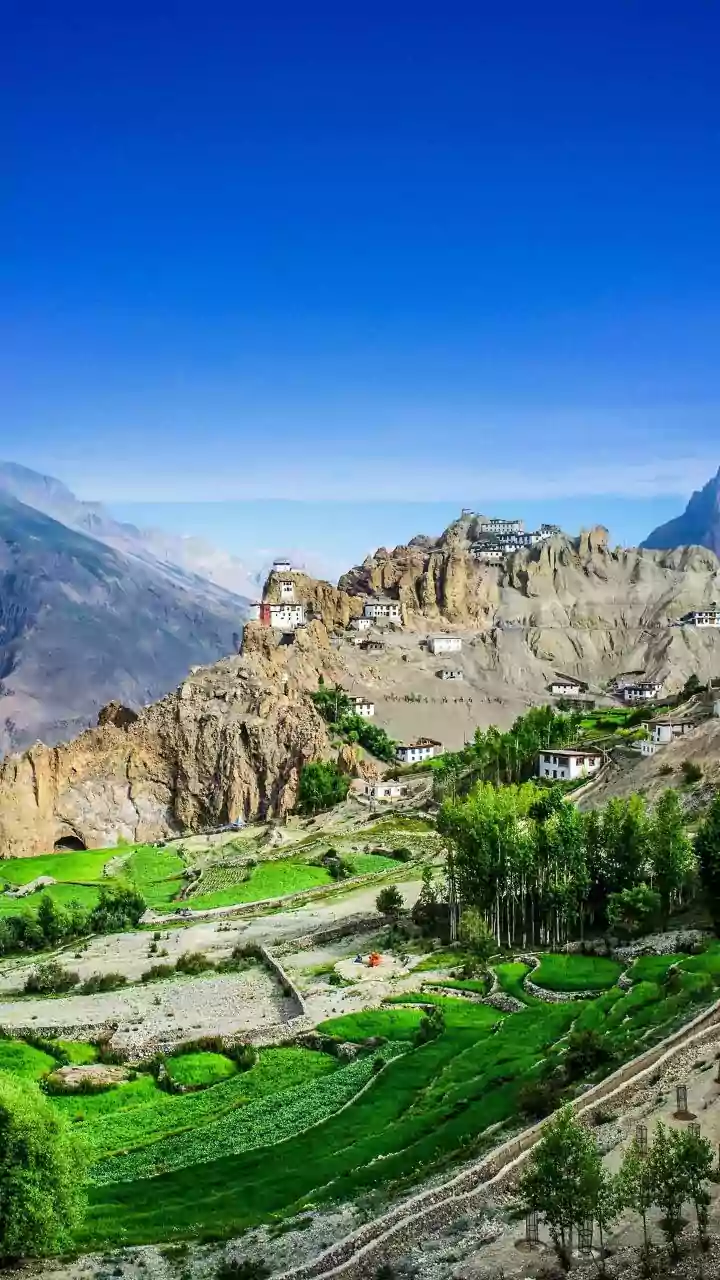
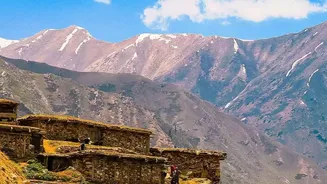
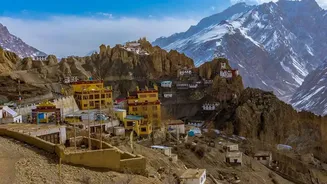
Nestled in the cold desert mountains of Himachal Pradesh, the Spiti Valley is a natural amphitheatre for the cosmos. Its advantages are manifold. The region's high altitude, with villages like Langza sitting at over 14,000 feet, places observers above much of the atmospheric haze that blurs the sky elsewhere. The air is exceptionally dry and clear, with over 250 cloudless nights a year, offering a high-definition viewing experience. Most importantly, its remote location means it suffers from minimal light pollution, earning it a spot in the Bortle Class 1 zone—the darkest rating possible for a night sky. In places like Langza, Kibber, and Komic, the darkness is so profound that the star-dusted arc of our own galaxy feels close enough to touch.
The Community as Custodians of the Night
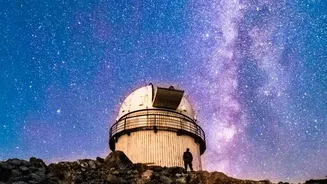
The preservation of Spiti's night sky is not a passive accident but an increasingly active effort, led by the very communities that call this challenging landscape home. In July 2025, a landmark initiative was launched to formalise Spiti's status as an astrotourism hub. The state government, in collaboration with scientific institutions, began empowering local youth and homestay owners by providing them with professional-grade telescopes and training. Residents of villages like Langza, Kaza, and Rangrik are being trained as astro-guides, turning their ancestral knowledge of the land into a new, sustainable livelihood. This community-led model ensures that the economic benefits of tourism are distributed locally. Homestays, which have long offered travellers an authentic taste of Spitian culture, are now becoming gateways to the universe, with owners equipped to guide their guests through the constellations.
A Sustainable Economic Model
For the remote villages of Spiti, astrotourism is more than a novelty; it represents a powerful engine for sustainable development. By monetizing the darkness, the region creates a strong economic incentive to protect it. This approach avoids the pitfalls of more intrusive forms of tourism that can damage the fragile alpine ecosystem. Instead of building large, brightly lit hotels, the focus is on enhancing the existing network of homestays and promoting responsible travel practices. Tourists are encouraged to visit during the New Moon phase for the darkest skies, and guides teach visitors about the importance of minimising light use. The initiative, supported by the Himachal Pradesh Council for Science, Technology & Environment (HIMCOSTE), aims to integrate science with culture, creating a unique identity for Spiti that respects both its natural and heritage assets.
Preserving Darkness for the Future
While Spiti's efforts are groundbreaking for Himachal, they are part of a larger movement across India. Ladakh is home to the Hanle Dark Sky Reserve, the first of its kind in the country, setting a precedent for official dark-sky preservation. The Pench Tiger Reserve in Maharashtra has also been designated a 'Dark Sky Park,' focusing on curbing light pollution to protect wildlife and the night sky. The challenge for destinations like Langza is to manage the influx of tourists without compromising the very darkness that draws them. The key lies in education and regulation—teaching visitors about light discipline and implementing community-enforced rules on outdoor lighting. Some astrophotographers have noted the downside of fame, with an increase in tourists who are unaware of light etiquette. Success will depend on maintaining this delicate balance, ensuring the night sky remains a source of wonder and income for generations to come.