



The Magic of One-Pot Cooking
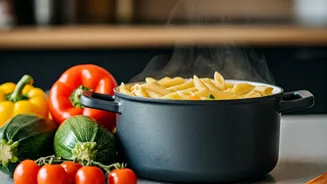
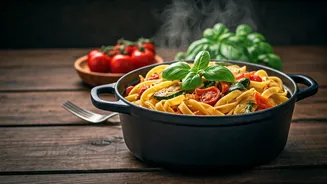
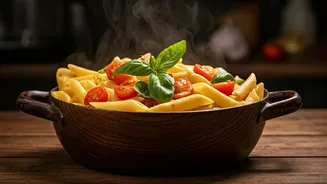
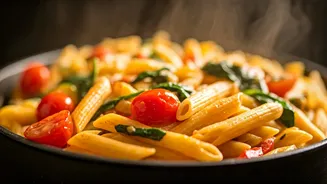
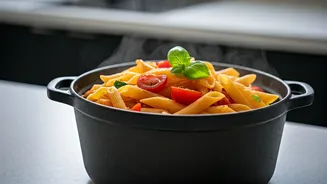
The beauty of a one-pot pasta is its sheer efficiency. By cooking everything together—pasta, vegetables, and sauce—you're not just saving on cleanup; you're building a deeper flavour profile. The pasta cooks directly in the sauce and broth, allowing the starches
to release and create a luxuriously creamy texture without needing heavy creams. This method means the noodles absorb all the savoury notes from the garlic, herbs, and vegetables right from the start. It’s a streamlined process that transforms meal prep from a multi-stage, multi-dish chore into a simple, contained task. The result is a flavourful, cohesive dish that tastes like it took far more effort than it actually did.
The Basic Formula for Success
Mastering one-pot pasta is about understanding ratios and timing. A reliable starting point is using enough liquid to cook the pasta until it's al dente. A general guideline is to combine about 250g of a short pasta like penne or rotini with approximately 4 cups of liquid, which can be a mix of vegetable broth and a jar of your favourite marinara or crushed tomatoes. Start by sautéing aromatic base vegetables like diced onion and minced garlic in olive oil. Then, add your liquids, seasonings like Italian herbs, salt, and pepper, and the uncooked pasta. Bring the mixture to a boil, then reduce the heat to a simmer and cover, stirring occasionally to prevent sticking. The pasta should be tender in about 10-15 minutes, with a small amount of saucy liquid remaining.
Choosing the Right Vegetables
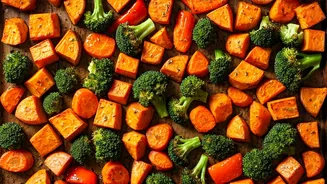
Vegetable selection is key for texture and taste. For best results, think about cooking times. Harder vegetables like chopped carrots and broccoli florets can go into the pot along with the pasta. Medium-textured vegetables such as sliced zucchini, bell peppers, and mushrooms can be added about halfway through the cooking time so they become tender but not mushy. Delicate, quick-cooking greens like spinach or kale should be stirred in at the very end; the residual heat will wilt them perfectly in a minute or two. Cherry tomatoes, added halfway, will burst and contribute to the sauce. Using a colourful mix of vegetables not only boosts the nutritional value but also makes for a more appealing meal. Even frozen vegetables are a great, convenient option and can be added directly to the pot.
Perfecting Your Meal Prep Strategy
To ensure your pasta tastes great all week, a few storage tricks are essential. The biggest challenge with prepped pasta is preventing it from becoming mushy. A crucial tip is to slightly undercook the pasta during the initial one-pot cook; it will soften further upon reheating. Once cooked, allow the pasta to cool down before portioning it into airtight containers. This helps preserve its texture. Stored properly in the fridge, the pasta will last for up to five days. When it's time to reheat, you can use a microwave or gently warm it on the stovetop. Adding a splash of water or broth before reheating will create steam and bring the sauce and noodles back to life without drying them out.