







Beyond the Metros: A New Centre of Gravity
For decades, the Indian beauty narrative was written in the metros. Mumbai, Delhi, and Bengaluru were the trendsetters and the primary markets. That script has been completely flipped. The engine of India's current beauty boom is humming loudly in its
Tier-2 and Tier-3 cities. E-commerce giant Flipkart recently reported that a staggering two out of every three beauty searches on its platform now originate from non-metro areas. [3, 4] Cities like Jaipur, Lucknow, Surat, and even smaller towns like Cuttack and Kottayam are no longer just following trends; they are creating demand and shaping the market. [3, 7, 18] This isn't just about searches; it's about sales. Nearly one-third of beauty product sales on major platforms now come from these smaller cities and towns, signaling a fundamental and permanent shift in the country's consumer landscape. [11, 12]
The Digital Enablers: E-commerce and Social Media
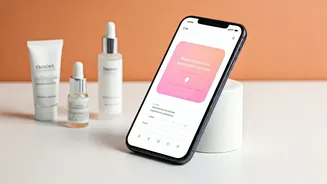
This dramatic shift wouldn't be possible without two key catalysts: the smartphone and the data plan. E-commerce platforms have effectively become the new beauty counter for millions, demolishing the geographical barriers that once limited access to products. [6] Online retailers like Nykaa, Myntra, and Flipkart have made global and domestic brands accessible with a single tap, bringing the latest K-beauty serums and premium fragrances to doorsteps in Jamnagar and Gorakhpur. [9, 10] This digital access is supercharged by social media. Instagram and YouTube have become the primary sources for discovery and education, with influencers driving trends and purchase decisions. [6] For the new Indian consumer, a product review from a trusted creator often carries more weight than a traditional advertisement, creating a direct line from inspiration to purchase.
Meet the New Consumer: Aspirational and Informed
At the heart of this trend is a new kind of consumer: young, digitally native, and highly aspirational. Gen Z is a dominant force, accounting for nearly 60% of all beauty purchases on platforms like Flipkart. [3, 4] This generation views beauty not as an occasional indulgence, but as a daily ritual of self-care and personal expression. [10, 12] Thanks to their digital fluency, these shoppers are incredibly well-informed. They are moving beyond basic products to embrace science-backed skincare, ingredient-led formulations, and global trends. [3] This has fueled a surge in demand for premium products, which are growing at over 60% year-on-year. [4] This consumer is discerning, seeking quality and results, and is willing to invest in products that deliver.
How Brands Are Responding
Smart brands are quickly adapting to this new reality. One of the most effective strategies has been to bridge the gap between aspiration and affordability. Recognizing that a consumer in a smaller town desires a premium serum but may be constrained by budget, brands are introducing smaller, trial-sized packs at accessible price points, often in the ₹200–₹400 range. [11] This tactic lowers the barrier to entry, allowing consumers to experiment with higher-end products. We're also seeing the rise of a hyper-local approach, dubbed 'PIN code Beauty', where brands consider regional factors like climate and water quality to recommend products. [12] This move away from a one-size-fits-all strategy shows a sophisticated understanding of a diverse market, where a consumer in coastal Guntur might need different skincare from someone in drier Lucknow. [9] This landscape has also powered the phenomenal success of Direct-to-Consumer (D2C) brands like Sugar Cosmetics and Mamaearth, which built their empires by connecting directly with this underserved audience online. [14, 17]