





The Temperature Danger Zone
The single most important factor in fruit safety is temperature. Food safety experts identify a “temperature danger zone” between 40°F (about 4°C) and 140°F (60°C). Within this range, harmful bacteria like Salmonella and E. coli can multiply rapidly,
sometimes doubling in number in as little as 20 minutes. When perishable food, including cut or delicate fruits, sits in this zone, the risk of foodborne illness increases significantly. A long power outage, leaving fruit in a hot car, or simply forgetting it on the kitchen counter can all place it squarely in this danger zone. Whole, uncut fruits with thick skins are more resilient, but once sliced or peeled, they become much more vulnerable.
The Two-Hour Rule: A Critical Guideline
For perishable foods, including most fruits once they are cut, peeled, or cooked, the universal guideline is the “two-hour rule.” Any such fruit left at room temperature for more than two hours should be discarded. This window shrinks to just one hour if the ambient temperature is high, such as above 90°F (32°C), a common scenario during Indian summers. This rule applies because after this time, the level of bacterial growth can become unsafe. Scenarios like a fruit platter at a picnic or cut fruit in a lunchbox without an ice pack are prime examples where this rule is crucial. Remember, you can't see, smell, or taste the bacteria that cause illness, so adhering to this timeframe is your best defence.
Trust Your Senses: Visible Signs of Spoilage
While invisible bacteria are a major threat, obvious signs of spoilage are a clear signal to toss the fruit. Look for changes in texture, such as soft spots, a mushy or slimy feel, or wrinkling skin. Any unusual or fermented odours are another red flag. Of course, the most apparent sign is visible mold. For soft, high-moisture fruits like berries, peaches, and tomatoes, mold is a deal-breaker. Its filament-like roots can penetrate deep into the fruit, spreading toxins you can't see. Discarding the entire fruit is the only safe option. You should not taste food to determine if it is safe; the risk is simply too high.
Can I Just Cut Off the Bad Part?
It’s tempting to try and salvage a piece of fruit by simply cutting away a bruised or moldy spot. Whether this is safe depends on the fruit's texture. For firm, low-moisture fruits and vegetables like apples, potatoes, or carrots, it is generally considered safe to cut away the moldy spot along with a generous margin—at least one inch around and below it. The dense structure of these foods makes it harder for mold and its toxins to spread. However, for soft fruits like strawberries, grapes, and oranges, this practice is unsafe. Because of their high moisture content, mold and bacteria can easily contaminate the entire piece, even the parts that look perfectly fine. When in doubt, especially with soft fruits, throwing the whole thing away is the safest choice.
Best Practices for Safe Storage
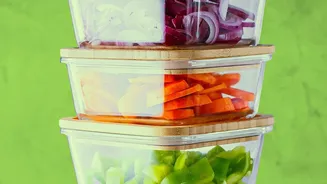
Preventing spoilage starts with proper storage. Most perishable fruits, especially berries, grapes, and anything pre-cut, should be stored in a clean refrigerator set at or below 40°F (4°C). Keep fruits separate from raw meat, poultry, and seafood to avoid cross-contamination. Some fruits, like bananas and whole melons, are best kept at room temperature until ripe, after which they can be refrigerated to slow further ripening. Using airtight containers for cut fruit can also help maintain freshness and safety. During a power outage, keep the refrigerator and freezer doors closed as much as possible. A fridge will typically stay cold for about four hours if it remains unopened. After that, any perishable items inside, including cut fruit, should be discarded.