




The Off-Season Is Officially Over
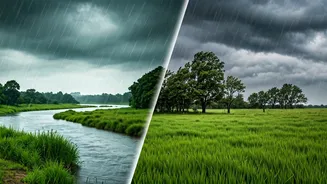
The idea of a travel 'off-season' during the monsoon is rapidly becoming outdated. What was once a period of dormant tourism is now a sought-after window for savvy travellers. The primary driver is a change in mindset: instead of seeing rain as an obstacle,
it is now viewed as an attraction. The benefits are clear and compelling: fewer crowds at major landmarks, lower prices for flights and luxury hotels, and a landscape transformed into a lush, vibrant paradise. This strategic shift means places once considered too wet, like Kerala and Goa, are now celebrated for their monsoon magic.
Chasing Green, Not Avoiding Grey
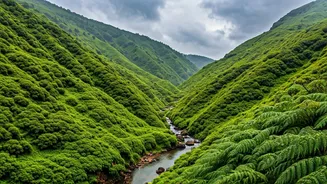
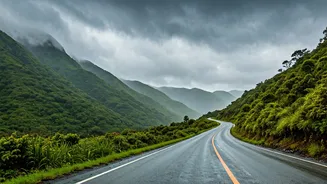
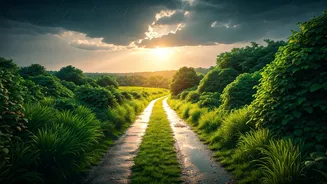
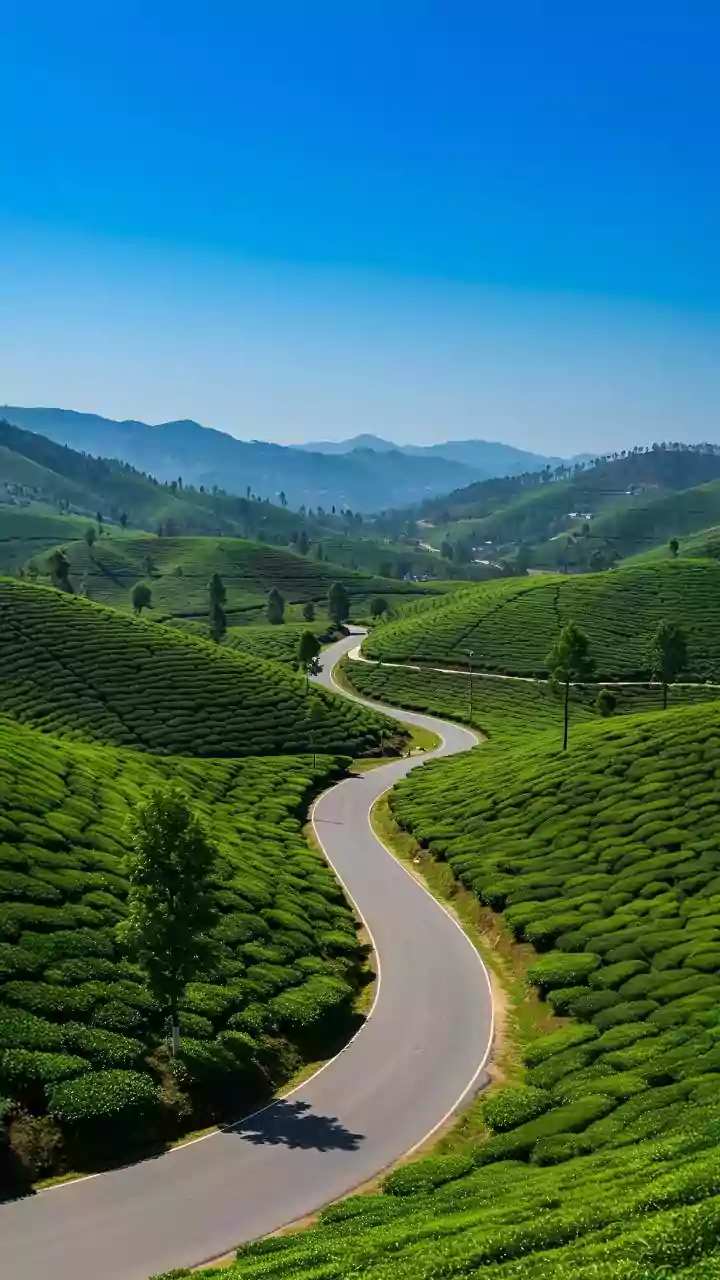
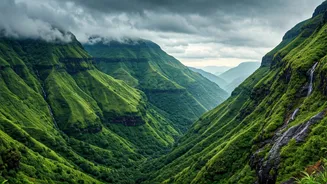
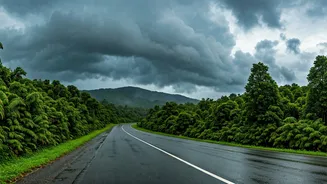
Modern monsoon travel is less about finding a dry patch and more about leaning into the season's strengths. Destinations that burst with life during the rains are now top of the list. Hill stations across the Western Ghats, such as Munnar in Kerala, Coorg in Karnataka, and Lonavala in Maharashtra, become prime real estate for those seeking misty mountains and roaring waterfalls. The greenery is the main event. Road trips along routes like Mumbai to Goa or Bangalore to Coorg are planned specifically to witness the Sahyadri and Nilgiri hills in their full, rain-drenched glory. It's an atmospheric experience where the journey itself, with fog-covered roads and impromptu waterfalls, is the destination.
The Rain Shadow Strategy
For those who still prefer a drier experience, a key strategy involves targeting rain-shadow regions. These are areas where high mountain ranges block monsoon clouds, resulting in significantly less rainfall. Spiti Valley in Himachal Pradesh is a classic example, offering clear skies and accessible terrain while most of the country is drenched. Similarly, parts of Rajasthan, like Udaipur and Mount Abu, receive lighter showers that turn the arid landscape surprisingly green without the travel disruptions seen elsewhere. This allows travellers to enjoy the pleasant weather and off-season prices without the intense downpours.
Data-Driven Decisions and Smart Packing
This new era of monsoon travel is powered by technology and planning. Travellers are using advanced weather apps to monitor rainfall patterns and plan their activities around drier spells. Itineraries are kept flexible to adapt to sudden changes, with buffer days built in to account for potential delays. Packing has also become strategic, focusing on quick-drying synthetic clothes, waterproof footwear with good grip, and protective bags for electronics. A well-prepared first-aid kit with insect repellent is also considered essential to handle the health challenges associated with the damp climate.
Wellness and Experiences Over Sightseeing
There's a growing trend of prioritising experiences over a packed sightseeing itinerary. The cool, humid monsoon weather is considered the ideal time for Ayurvedic treatments in Kerala, as the body is believed to be more receptive to therapies. Wellness retreats offering yoga and meditation are popular, using the sound of the rain as a natural tool for relaxation. Food also plays a central role, with travellers seeking out cosy cafes and enjoying hot, local delicacies that feel particularly comforting during a downpour. It is a shift towards slower, more immersive travel, where the goal is to rejuvenate rather than rush through a checklist.