





Understanding the Visual Barrier
At its core, a visual barrier is any solid object that prevents pets from seeing each other. This isn't just about sticking a piece of cardboard between them; it's a strategic tool used in a broader behavior modification plan. Think of items like a solid door,
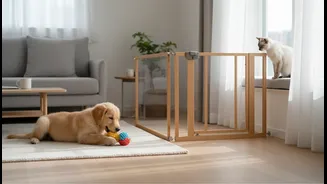
a heavy blanket draped over a baby gate, or even a piece of opaque film on a glass door. The purpose is to remove the visual trigger that can cause immediate fear, anxiety, or aggression. By controlling what the animals see, you control the situation, allowing you to manage their introduction on your terms, not theirs.
The Power of Sight and Scent
For many animals, sight is a powerful and immediate trigger. Seeing another animal, especially a new one in their territory, can instantly put them on high alert. By using a visual barrier, you temporarily remove this intense stimulus while still allowing other senses to do the introductory work. The pets can still hear and, most importantly, smell each other from opposite sides of the barrier. This 'scent swapping' allows them to gather information and become accustomed to the other's presence without the face-to-face pressure that can lead to conflict. This initial phase is all about building familiarity without fostering fear.
Building Positive Associations
This process is a core part of a technique called desensitization and counter-conditioning. Desensitization involves gradually exposing a pet to something they fear at a level that doesn't provoke a reaction. Counter-conditioning is about changing their emotional response from negative to positive. With a visual barrier in place, you can feed both pets near the barrier. They begin to associate the scent of the other animal with something wonderful: food. This creates a positive connection. The goal is to change their internal monologue from “That new smell means an intruder!” to “That new smell means delicious treats are coming!”
The Crucial 'Transition' Phase
The 'transition' is the gradual removal of the visual barrier. This is not a single event but a series of controlled steps. It might start with lifting the barrier for just a few seconds, rewarding calm behavior, and then replacing it. Over time, and as the pets remain calm, these visual introductions can become longer. You might progress from a solid barrier to a baby gate with a blanket over it, then to a bare gate or screen door. Each step is a 'milestone' in the workflow. Rushing this process is the most common mistake owners make. The pace must be dictated by the most hesitant pet. If you see signs of stress like hissing, growling, or intense staring, you've moved too fast and need to take a step back.
Why This Method Prevents Future Problems
Skipping this foundational work can lead to long-term behavioral issues that are much harder to fix. An initial negative encounter can set a precedent for a relationship built on fear and aggression. Pets who are forced into interactions too quickly can develop deep-seated anxieties that manifest as fighting, hiding, or other stress-related behaviors. By using visual barrier transitions, you are not just managing a brief introductory period; you are carefully constructing the foundation for a peaceful coexistence. You are teaching your pets, in a language they understand, that the presence of the other animal is safe and even rewarding.