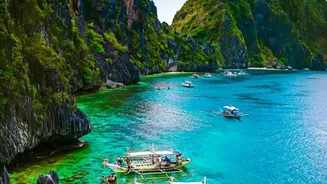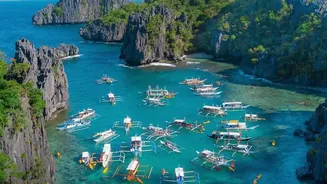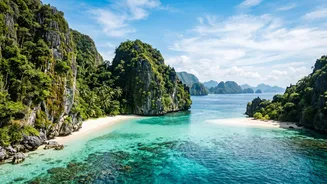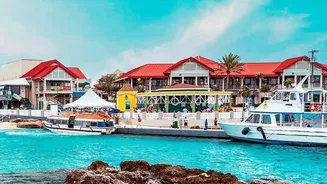







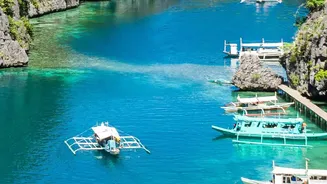
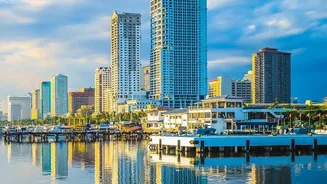
Cebu is a jewel of the Philippines, beloved for its stunning beaches and vibrant culture. But its most famous attractions can feel overwhelming. Here’s what you need to know to navigate the hype and discover the magic behind the crowds.
The Oslob Whale Shark Encounter
The chance to swim
alongside the world's largest fish is a massive draw, and Oslob guarantees sightings. This is because local fishermen feed the whale sharks, a practice that has made the experience one of Cebu's most popular and controversial. The guarantee comes at a cost: crowds are immense, and the experience is highly regulated, with only 30 minutes allowed in the water. Marine biologists have raised serious ethical concerns, noting that feeding alters the sharks' natural migratory and feeding behaviors. Studies have shown the animals learn to associate people with food and suffer injuries from boat contact. If you choose to go, the best advice is to arrive at dawn (between 6 and 7 AM) to face smaller crowds and calmer waters. Alternatively, for a more natural encounter, consider visiting Donsol in Sorsogon, where sightings are seasonal and not guaranteed, but the interactions are wild and unregulated by feeding.
The Kawasan Falls Experience
Photos of Kawasan's impossibly blue water are all over social media, making it one of the most famous waterfalls in the Philippines. This popularity means that the main falls, especially the first level, can become incredibly crowded, feeling less like a natural oasis and more like a water park. The area is the endpoint for popular canyoneering tours, which adds to the traffic. However, calling it 'overrated' might be unfair if you plan your visit strategically. The key is to avoid the peak rush. Arriving very early in the morning (before 9 AM) or visiting on a weekday can make a world of difference, potentially giving you the place almost to yourself. Many visitors also don't realize there are two more levels to the falls. While most people congregate at the first pool, the upper levels are often quiet and just as beautiful, offering a more serene experience away from the main crowds.
Moalboal's Famous Sardine Run
Swimming through millions of sardines that move as one massive, swirling entity is a truly breathtaking spectacle. What makes Moalboal unique is that this phenomenon is not seasonal; the sardines are permanent residents, making it a reliable, year-round attraction. You can experience it just a few meters from Panagsama Beach. However, its accessibility and fame mean the area can get extremely congested with snorkelers and divers, especially during peak season from December to May. While the sardines are always there, your experience can be heavily impacted by the number of people in the water. For a better encounter, plan your swim for the early morning (6 to 8 AM) on a weekday, when the waters are calmest and the crowds are at their thinnest. Scuba diving offers a more immersive view than snorkeling, allowing you to get below the surface crowds and truly be enveloped by the massive school of fish.
Cebu City's Historical Circuit
Cebu City is rich with history, boasting landmarks like Magellan's Cross and the Basilica Minore del Santo Niño. While significant, these sites are often packed into quick, crowded tours that can feel more like a chaotic checklist than a deep cultural dive. The areas can be congested, and the experience may feel overly commercialized for those seeking quiet reflection on the Philippines' past. To get more out of your visit, consider exploring these sites independently and early in the day. Alternatively, balance these popular spots with less-crowded destinations that offer a different perspective. Fort San Pedro, for instance, often provides a more tranquil atmosphere for history buffs. For a break from the city heat and crowds, heading to the hills to see the Temple of Leah or get a panoramic view from Tops Lookout can provide a welcome change of pace, though these have become popular attractions in their own right.