

Your Vehicle: The First Line of Defence
Before you even think about starting your journey, a thorough vehicle check is non-negotiable. Your car's condition is paramount to your safety. Start with the tyres, as they are your only connection to the slippery road. Ensure they have adequate tread
depth, well above the legal minimum of 1.6mm; experts suggest a safer depth of 3mm for monsoon conditions. Check for correct tyre pressure, including the spare. Next, inspect your brakes. Wet roads significantly increase stopping distances, so your braking system must be in optimal condition. Your wipers are your window to the world in a downpour; replace them if they leave streaks or make noise. Finally, test all your lights: headlights (both high and low beam), taillights, brake lights, and especially fog lamps. Bright, correctly aligned lights are crucial for visibility in heavy rain and fog at night.
Plan Your Journey Meticulously
The safest way to drive through monsoon ghats at night is to avoid it altogether. If possible, plan your travel to finish before dusk. Visibility drops dramatically in the hills after sunset, and hazards become much harder to spot. Always check the weather forecast and look for any warnings about heavy rainfall or landslides on your intended route. Inform a friend or family member about your travel plans, including your route and estimated time of arrival. Download offline maps for your route, as mobile connectivity is often unreliable in remote ghat sections. Build extra time into your schedule; monsoon driving is slow, and unexpected delays are common. Rushing is a recipe for disaster. Having an emergency kit in your car is also a wise precaution. It should include a powerful torch, a first-aid kit, a tow strap, jumper cables, high-energy snacks, and drinking water.
Mastering the Art of Ghat Driving
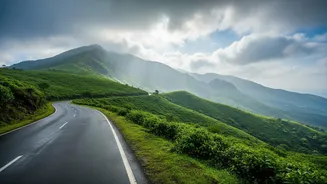
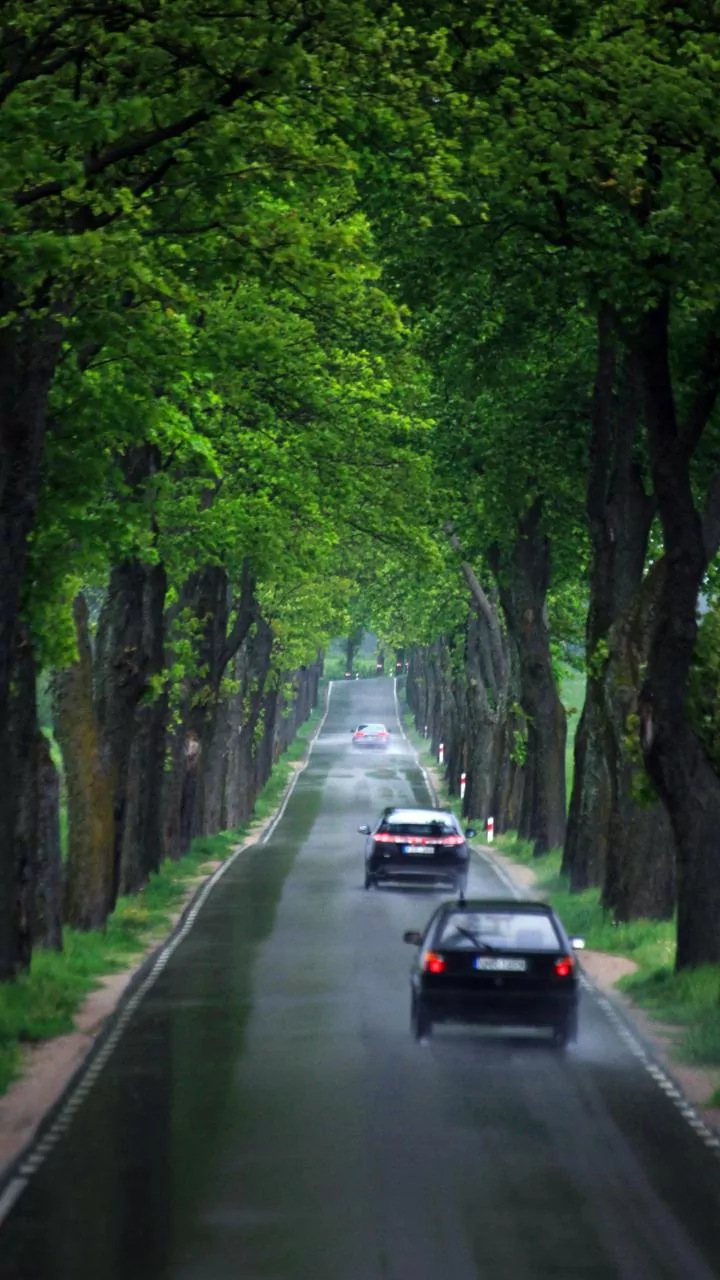
Once on the road, your driving style needs to adapt significantly. The number one rule is to slow down. Your reaction time is lower at night, and wet roads require smoother, gentler inputs for steering, braking, and acceleration. Maintain a much larger gap than usual between your vehicle and the one in front. When descending steep slopes, use engine braking by shifting to a lower gear (second or third). This technique helps control your speed without overheating the brakes, which is a common cause of failure in ghats. Be patient when overtaking and only do so on straight stretches with clear visibility. On blind curves, a common feature in ghats, use your horn to alert oncoming traffic. A long-standing rule of hill driving is to give way to vehicles coming uphill, as it is harder for them to restart from a stop on an incline.
Navigating Poor Visibility and Road Hazards
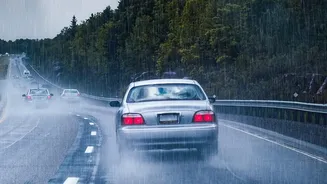
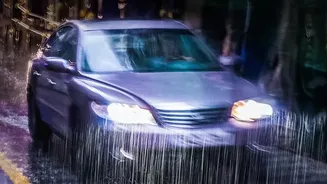
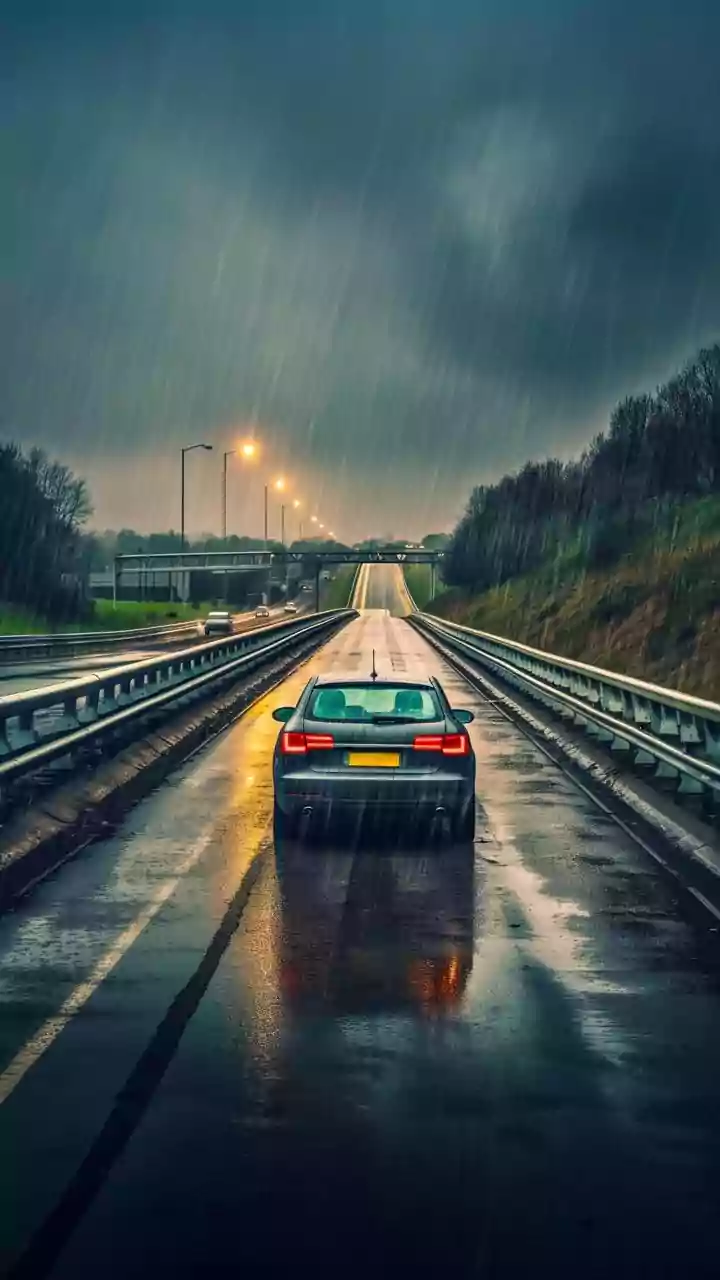
Driving at night during the monsoon often means battling fog and torrential rain. In such conditions, use your low beam headlights. Using high beams will reflect off the fog and rain, worsening your visibility. This is where fog lamps become essential; their low, wide beam cuts under the mist to illuminate the road surface directly in front of you. Be extremely vigilant for signs of landslides, such as falling rocks, mud on the road, or trees leaning at unusual angles. Potholes and broken patches of road are often hidden by puddles. If you see a puddle, slow down significantly. Hitting it at high speed can cause you to lose control or damage your vehicle. Never attempt to drive through deep or fast-flowing water; the current can be deceptive and strong enough to sweep your car away. If visibility becomes dangerously low, it is safest to pull over at a secure spot, away from any steep slopes, and wait for conditions to improve.
In Case of an Emergency
Despite all precautions, you might face an emergency. If your car breaks down, try to pull over to the widest and most stable part of the road. Turn on your hazard lights to alert other drivers. If you get stuck in mud, avoid aggressively spinning your wheels, as this will only dig you in deeper. Try to create traction by placing floor mats or small stones under the tyres. The most dangerous scenario is being caught in a landslide. If you see it coming and have a clear path, steer away from the debris flow. If escape is not possible, the safest course of action is to stay inside your vehicle. The car's frame can offer protection from debris. Curl up and protect your head. Only attempt to exit the vehicle if it is at risk of catching fire or being submerged in water. In such a case, try to break a side window, as the front windshield is much harder to break.