




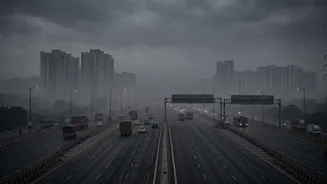
Understanding GRAP Stage 1
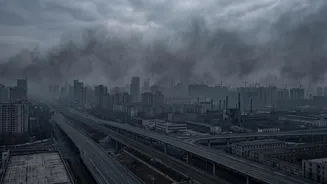
The Graded Response Action Plan is a set of emergency measures that activate incrementally to combat rising air pollution in the Delhi-NCR region. It is implemented by the Commission for Air Quality Management (CAQM). Stage 1 is triggered when the Air Quality Index
(AQI) falls into the 'poor' category (201-300). While it includes broad measures against dust and industrial pollution, a significant component focuses on curbing vehicular emissions, which are a major contributor to the city's smog. The goal is to prevent the air quality from deteriorating further into 'very poor' or 'severe' categories.
The Primary Rule: Pollution Certificates
The most critical requirement for every vehicle owner under GRAP Stage 1 is ensuring their vehicle has a valid Pollution Under Control (PUC) certificate. Authorities have been directed to strictly enforce PUC norms. Teams from the Delhi Traffic Police and the Transport Department will conduct checks across the city, especially at major traffic corridors and border entry points. Driving without a valid PUC certificate can lead to a hefty fine of ₹10,000 and, in some cases, even impoundment of the vehicle under the Motor Vehicles Act.
Targeting Visibly Polluting and Older Vehicles
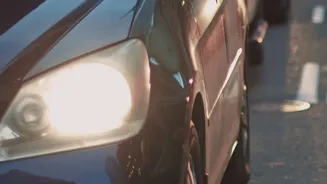
Enforcement teams are empowered to stop and penalise 'visibly polluting' vehicles—any car or bike emitting visible smoke. These vehicles may be impounded on the spot. Additionally, long-standing restrictions on older vehicles remain strictly in force. This includes the ban on petrol vehicles older than 15 years and diesel vehicles older than 10 years. While this is a year-round rule, its enforcement becomes much more stringent during the GRAP period. Traffic police will be actively checking for these overage vehicles and issuing challans.
How and Where Checks Will Happen
Enforcement is a multi-agency effort involving the Delhi Traffic Police and the Transport Department, who deploy numerous teams across the NCR. Expect increased police presence and random checks at key entry points into Delhi, major intersections, and pollution hotspots. To catch violators, authorities also plan to use technology more effectively. The government is working to link the central VAHAN vehicle database with fuel pumps through Automatic Number Plate Recognition (ANPR) cameras. This system, under the 'No PUCC, No Fuel' initiative set to be enforced from November 1, would automatically prevent vehicles without a valid certificate from getting refuelled.
Restrictions on Commercial Vehicles and Buses
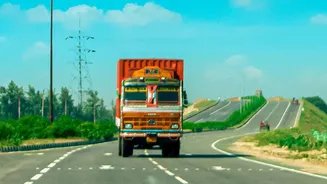
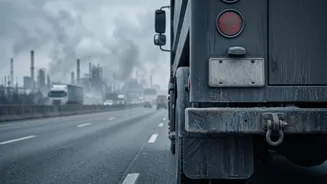
GRAP Stage 1 also brings specific rules for commercial transport. To reduce traffic load and pollution, truck traffic not destined for Delhi will be diverted to the Eastern and Western Peripheral Expressways. Furthermore, interstate buses entering Delhi from neighbouring states like Haryana, Uttar Pradesh, and Rajasthan must be electric, CNG, or compliant with BS-VI diesel standards. These buses will be checked at border points to ensure they meet the required emission norms before being allowed entry into the city.