




The New Normal: An Unforgiving Climate
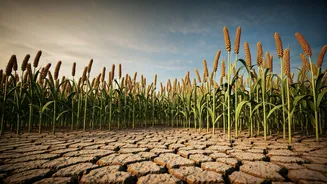
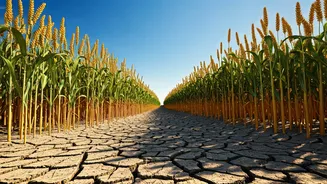
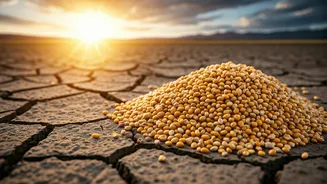
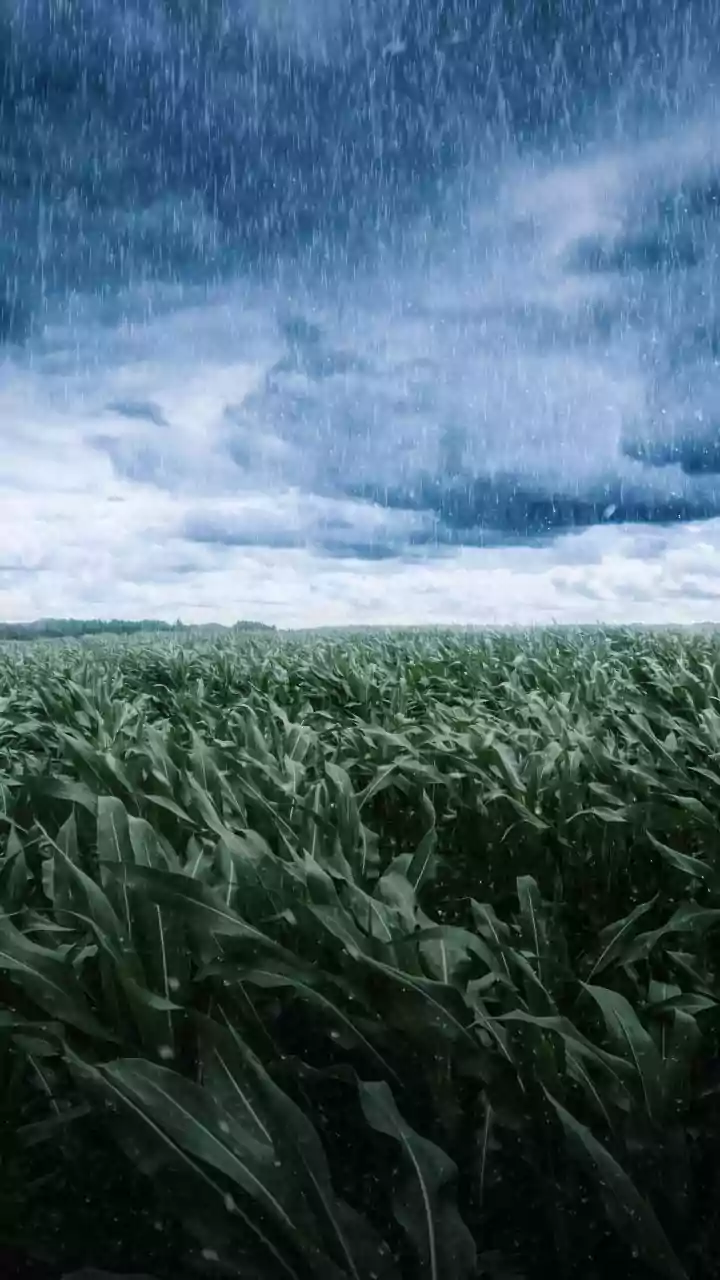
India's agriculture, the backbone of its economy employing nearly half the workforce, is facing an unprecedented crisis. The country has been reeling from frequent extreme weather events, from blistering heatwaves and severe droughts to erratic, intense
monsoon rains that cause devastating floods. In recent years, these events have become the norm, not the exception, affecting millions of hectares of cropland and threatening the yields of staple crops like wheat and rice. Studies indicate that rising temperatures can reduce wheat production by a significant margin, while unpredictable rainfall disrupts sowing and harvesting cycles, jeopardizing the nation's food security and the livelihoods of millions of farmers.
An Old Solution to a Modern Problem
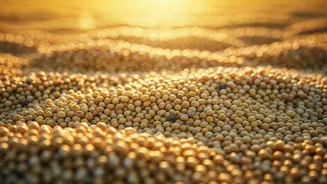
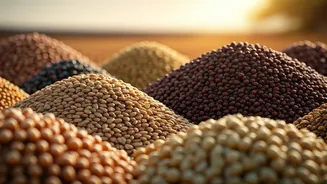
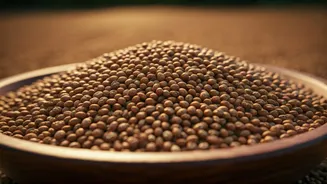
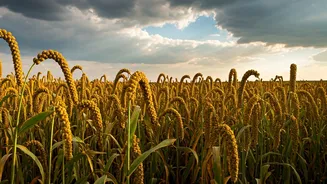
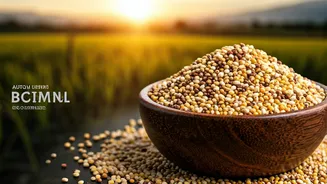
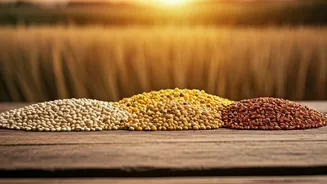
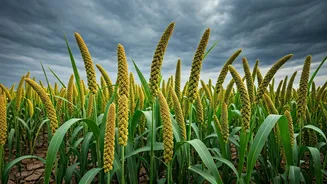
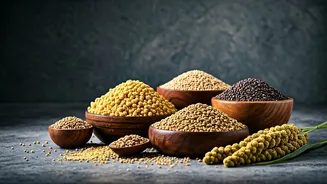
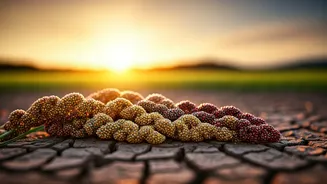
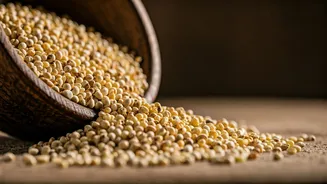
In the face of this climate volatility, farmers are rediscovering the wisdom of their ancestors by turning to millets. These hardy grains, which include varieties like Jowar (Sorghum), Bajra (Pearl Millet), and Ragi (Finger Millet), were a major part of the Indian diet for centuries before the Green Revolution prioritized high-yield rice and wheat. The genius of millets lies in their resilience. They are climate-adaptable crops that can thrive in harsh conditions, requiring far less water than other major cereals and growing well in poor soils with minimal need for fertilizers or pesticides. Their shorter cultivation cycle, often just 70-100 days, allows farmers to secure a harvest even when monsoons are delayed or inconsistent, reducing financial risk and ensuring a degree of stability in an unstable environment.
A Push from the Top
This agricultural shift is not happening in a vacuum. The Indian government has thrown its weight behind the millet revival. After successfully proposing that the United Nations declare 2023 as the 'International Year of Millets', New Delhi has launched several initiatives to promote these 'Nutri-Cereals'. Programs like the National Food Security Mission (NFSM) now include a Sub-Mission on Nutri-Cereals, providing financial support and assistance to farmers cultivating millets across 28 states and two union territories. Furthermore, state-level schemes, such as Uttar Pradesh's mission to promote millet cultivation in 47 districts and Odisha's Millet Mission, are creating a conducive ecosystem through farmer training, subsidies, and awareness campaigns. Production Linked Incentive (PLI) schemes for millet-based products are also encouraging value addition and market creation.
More Than Just a Climate-Smart Crop
The return of millets offers benefits that extend far beyond the farm. These grains are nutritional powerhouses, rich in protein, dietary fiber, and essential minerals like iron, calcium, and zinc. For instance, Ragi is one of the richest plant-based sources of calcium, vital for bone health, while Bajra is dense in iron, which helps combat anemia. As India faces the double burden of malnutrition and rising lifestyle diseases like diabetes, the low glycemic index and gluten-free nature of millets make them an ideal food for improving public health outcomes. By promoting millets, India is not just adapting its agriculture to climate change but also investing in the nutritional security and well-being of its people.
The Road Ahead: Challenges and Opportunities
Despite the momentum, the path to a full-scale millet revival has its hurdles. Farmers still face challenges like lower yields compared to some hybrid crops, a lack of widespread market linkages, and inconsistent demand. The post-harvest processing for some millet varieties is more cumbersome than for wheat or rice, and limited storage facilities can lead to wastage. However, the growing consumer interest in healthy and sustainable food, coupled with government support for startups and Farmer Producer Organizations (FPOs) in the millet value chain, presents a significant opportunity. Strengthening the supply chain, improving processing technology, and continuing public awareness campaigns will be crucial to ensure that millets transition from a forgotten grain to a defining feature of India's future food system.