





Rethink Your Wardrobe: Fabric is Everything
The single most common mistake trekkers make is packing cotton. Once wet, cotton clothes stay cold, heavy, and damp for hours, causing discomfort and chafing. Instead, your entire wardrobe should revolve around synthetic, quick-drying fabrics like polyester
and nylon. These materials wick moisture away from your skin and dry quickly, even in high humidity. Pack at least two pairs of quick-dry trek pants and several synthetic T-shirts. A fleece jacket is also essential, as evenings can get surprisingly chilly, especially at higher altitudes. Avoid jeans and other heavy cotton items entirely. The goal is to manage moisture, because staying completely dry is often impossible; the next best thing is drying off fast.
Footwear: Grip, Don't Slip
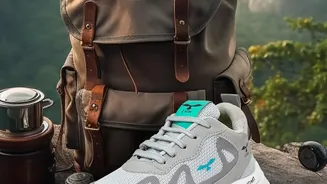
Your shoes are your most critical piece of gear on a wet trail. City sports shoes won't cut it on the slippery, moss-covered rocks and ankle-deep mud of the Ghats. Invest in a pair of trekking shoes with excellent grip. Look for deep lugs and soles made of gum rubber, which performs well on wet surfaces. While waterproof shoes sound ideal, many experienced trekkers prefer non-waterproof, quick-drying trail runners. This is because once water gets inside high-ankled waterproof boots (and it will), it gets trapped. Quick-dry shoes with good drainage, paired with synthetic or wool socks, will get wet but will also dry much faster. Always carry a second pair of lightweight footwear, like floaters or sandals, for wearing at your campsite or homestay, giving your main shoes a chance to air out.
Rainwear: Your First and Second Defence
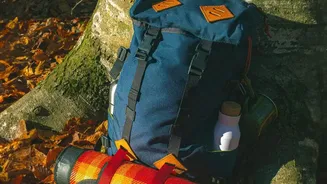
A simple umbrella won't suffice against the wind and angled rain on a mountain trail. You need a two-pronged approach to waterproofing. First, a reliable rain jacket or a poncho. A poncho offers excellent ventilation and can often cover both you and your backpack, which is a significant advantage. Second, you must waterproof your belongings inside your pack. Use a rain cover for your backpack, but don't rely on it alone. Line the inside of your pack with a large, heavy-duty plastic bag. Then, segregate all your items—clothes, electronics, snacks—into smaller dry bags or even sturdy ziplock bags. This ensures that even if your main pack gets damp, your essential gear remains bone dry.
The Leech and First-Aid Strategy
Monsoon brings out the leeches, a common sight in the Western Ghats. While their bites are harmless and they don't transmit diseases, they can be unsettling. The best defence is prevention. Wear long trousers and tuck them into your socks. Leech-proof socks, which are long, thick gaiters you wear over your trousers, are also highly effective. If a leech does attach, don't panic or pull it off forcefully. Instead, use your fingernail to gently break the seal of its sucker against your skin. The bite will bleed due to the leech's anticoagulant, but it stops on its own. Your first-aid kit should include antiseptic liquid, bandages, and perhaps some turmeric powder, a traditional remedy to help stop bleeding. Also pack insect repellent for mosquitoes, which are also more common in the monsoon.
Protecting Your Gadgets and Power
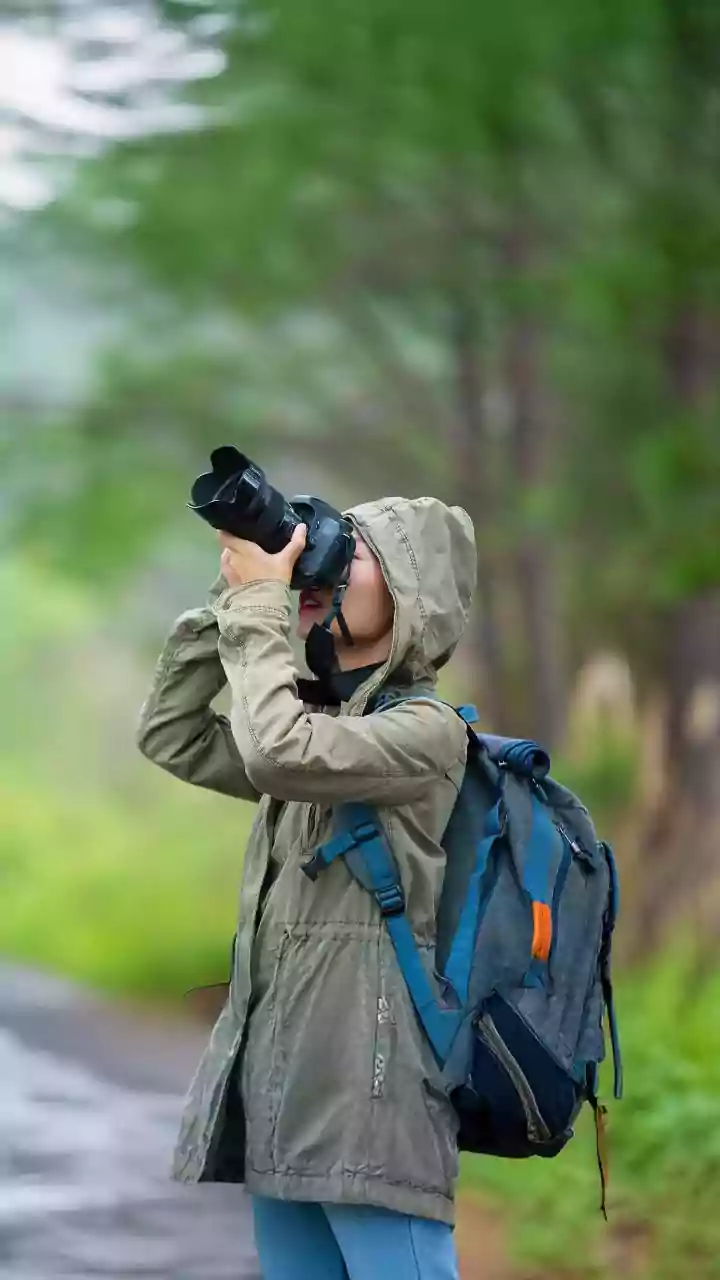
Water is the enemy of electronics. To protect your phone, camera, and other gadgets, a simple plastic bag isn't enough. Use a dedicated waterproof pouch or a small dry bag. For extra security, toss a few silica gel packets into the bag to absorb any ambient moisture. Power is another concern, as electricity can be unreliable in remote areas, especially during heavy rains. Carry a fully charged power bank, ensuring it is also kept in a waterproof bag. A waterproof headlamp is a non-negotiable item for any trekker, as mist and rain can drastically reduce visibility, and you'll need your hands free. Store spare batteries for it in a sealed bag.