







Upgrade Your Spice Box for Immunity
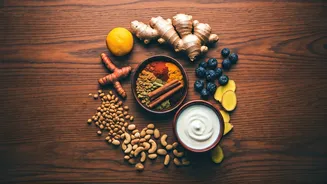
Your kitchen's masala dabba is a treasure trove of immunity-boosting power, especially vital during the monsoon when infections are common. This isn't just about flavour; it's about functional eating. Turmeric (haldi) is a potent anti-inflammatory and
antioxidant. Start your day with a pinch in warm water or milk. Ginger (adrak) is a classic remedy for sore throats and digestive issues; add it generously to your tea and curries. Black pepper (kali mirch) not only enhances the absorption of curcumin in turmeric but also helps clear congestion. Don't forget asafoetida (hing), a pinch of which in your dals and vegetable preparations can significantly aid digestion and prevent the bloating that is common in this damp weather. Upgrading means using these spices consciously, not just habitually.
Rethink Your Snacks, Beyond the Fryer
Monsoon evenings and fried pakoras are a classic love story, but it's one that often ends in acidity and lethargy. This season, upgrade your snacking habits. The street-side bhutta (roasted corn on the cob), seasoned with salt and lemon, is a fantastic, fibre-rich option. Soups are another brilliant choice; a warm bowl of tomato, mixed vegetable, or lentil soup is comforting and packed with nutrients. Instead of fried samosas, consider steamed momos with a spicy dipping sauce. If you crave something crunchy, try roasting makhana (fox nuts) with a little ghee and spices. These alternatives provide the warmth and comfort you crave without weighing down your digestive system, which is naturally weaker during the monsoon according to Ayurvedic principles.
Prioritise Gut Health with Cooked Foods
The dampness of the monsoon can slow down our 'digestive fire' or agni. This makes it harder for the body to process raw and heavy foods. This is the time to temporarily say goodbye to large, raw salads. The risk of microbial contamination in raw vegetables, especially leafy greens, is also higher. Instead, focus on light, well-cooked meals. Think seasonal vegetables like lauki (bottle gourd), tori (ridge gourd), and pumpkin, prepared as simple sabzis or in soups. Incorporate probiotics to support your gut microbiome. A bowl of fresh, homemade dahi (yoghurt) with your lunch is excellent. Fermented foods like idli and dosa are also easy to digest and good for your gut. This shift protects you from water-borne ailments and keeps your digestive system happy.
Hydrate Intelligently
With the temperature dropping, it’s easy to forget to drink enough water, but hydration remains crucial for flushing out toxins. Upgrade your water intake by making it more appealing and beneficial. Sip on warm water throughout the day to aid digestion. Herbal teas are your best friends this season. A cup of tulsi, mint, or ginger-lemon tea not only hydrates but also provides antibacterial and anti-inflammatory benefits. Another great option is to boil water with a stick of cinnamon or a few fennel seeds (saunf) and sip it through the day. These concoctions, known as 'kadha' in their more complex forms, keep you warm from the inside and help ward off colds and flu.
Choose Your Fruits Wisely
While fruits are essential, making smart choices during the monsoon is key. Opt for fruits that are rich in antioxidants and Vitamin C to bolster your immune system. Pomegranates, apples, pears, and plums are excellent seasonal choices. Bananas are also great for providing energy and aiding digestion. It's generally advised to avoid fruits that are overly watery, like watermelon and muskmelon, as they can increase the cold 'kapha' element in the body, according to Ayurveda. Be extra careful about hygiene. Wash all fruits thoroughly, and it’s best to peel them before eating to minimise the risk of infection. A small fruit platter can be a much healthier dessert than a heavy, sugary one.