


What Are Heat-Shield Coatings?
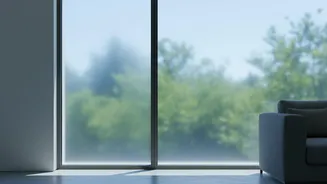
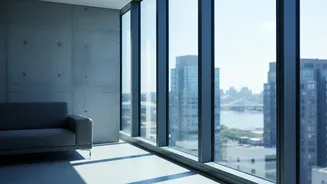
At its core, a heat-shield coating is an ultra-thin, transparent layer applied to glass surfaces. Think of it as sunscreen for your windows. These are not the dark, bubbly films of the past. Modern solutions use advanced nanotechnology, often in the form
of a liquid that is professionally applied or a high-tech film. These coatings are engineered to be virtually invisible, meaning you don't have to sacrifice natural light or your view for a cooler room. The technology can be found in two main forms: a liquid coating that chemically bonds to the glass, or a multi-layered film applied to the interior surface of the window.
The Science of Staying Cool
The magic lies in selectivity. Sunlight is composed of three main parts: visible light (what we see), ultraviolet (UV) rays, and infrared (IR) rays, which carry heat. Standard glass lets most of this energy pass through, creating a greenhouse effect inside your home. Smart coatings are designed to differentiate between them. They use microscopic particles, often of metallic oxides or ceramics, to reflect a huge portion of the heat-carrying infrared radiation away from the window. Some high-performance films and coatings can block up to 85% of infrared heat while still allowing over 75% of visible light to pass through. This means your home stays bright but significantly cooler.
The Benefits Beyond Temperature
The most immediate benefit is a noticeable drop in indoor temperature, which can be as much as 5-8°C. This directly translates to reduced reliance on air conditioning, potentially cutting cooling costs by 20% or more. But the advantages don't stop there. These coatings also block up to 99% of harmful UV rays. This is crucial for protecting your expensive furniture, curtains, and wooden flooring from fading and sun damage over time. By reducing hot spots near windows, they create a more consistently comfortable living space year-round, as many coatings also provide an insulating effect in cooler months, helping to retain indoor heat.
Types Available in the Market
The technology broadly falls into two categories: passive and active. Passive coatings, like Low-Emissivity (Low-E) films and thermochromic coatings, react automatically to the environment. Low-E films are the most common and are designed to reflect heat. Active technologies, such as Polymer Dispersed Liquid Crystal (PDLC) or Suspended Particle Device (SPD) films, require an electrical charge to switch from clear to opaque, offering privacy on demand. For most residential uses in India, passive nano-ceramic films and liquid coatings are the most practical and effective choice, offering high heat rejection without complex wiring or altering the look of your windows.
Installation, Cost, and Durability
While some films are available as DIY kits, professional installation is highly recommended to ensure a bubble-free finish and optimal performance. Liquid coatings are strictly a professional job. The cost can vary based on the brand, technology (ceramic is often more premium), and the total square footage of glass. However, it's best to view this as a long-term investment. Many suppliers claim the energy savings can lead to the system paying for itself over a few years. High-quality coatings are also highly durable, often coming with warranties of 10 years or more, and are resistant to scratching, peeling, or bubbling, unlike older, cheaper tints.