







The New Creative Toolkit
For decades, creating a visually compelling pitch deck meant one of two things: hiring an expensive graphic designer or spending hours scrolling through stock photo websites for the least awkward-looking image. Now, a third option has emerged that is faster,
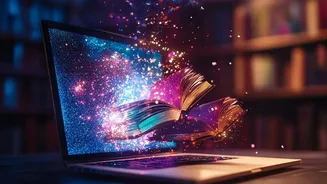
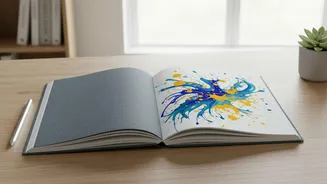
cheaper, and infinitely more customizable: AI image generation. Tools like Midjourney, DALL-E, and Adobe Firefly allow anyone to create high-quality, specific images simply by typing a descriptive text prompt. Young founders, students, and creative professionals are leveraging this technology to produce everything from custom illustrations and conceptual art to slick product mockups, all tailored perfectly to their message. Instead of searching for a photo that vaguely represents 'synergy' or 'growth', they can now generate an image that shows their exact concept, in their brand's specific color palette and style.
The Allure of Speed and Customisation
The primary drivers behind this trend are efficiency and impact. Startups and young creators often operate on tight budgets and even tighter deadlines. AI image generators dramatically cut down the time and cost associated with producing custom visuals. What used to take days of back-and-forth with a designer can now be accomplished in minutes. This speed allows for rapid iteration, enabling founders to test different visual approaches for their presentations. More importantly, AI allows for a level of personalisation that stock imagery could never offer. Founders can create visuals that explain abstract business models, depict a future product in a specific setting, or create consistent character styles for user personas, making complex ideas more tangible and engaging for investors and stakeholders.
Making an Impression on Investors
In the hyper-competitive world of fundraising, standing out is crucial. A pitch deck that is visually unique can capture an investor's attention and make the presentation more memorable. VCs see thousands of decks, and many can spot a generic template from a mile away. Using bespoke AI imagery signals creativity, resourcefulness, and a forward-thinking mindset. It shows that the founder is fluent in modern tools and is thinking creatively about every aspect of their business, including their presentation. Some analyses have even suggested that presentations incorporating AI-driven elements are perceived as more convincing and clearer, helping investors digest information more quickly. By replacing walls of text with compelling visuals, creators can lower the cognitive load on their audience, helping the core message land with greater impact.
The Hidden Risks and Downsides
Despite the advantages, relying on AI for pitch deck visuals is not without its pitfalls. A significant risk is the potential for a new kind of genericism. As AI tools become more widespread, a recognisable 'AI aesthetic' could emerge, making once-unique images feel commonplace. There's also the issue of quality; poorly executed AI images can look strange or unprofessional, undermining the credibility of the pitch. Beyond aesthetics, there are serious ethical and legal questions. The ownership of purely AI-generated content is a legal grey area, meaning a unique logo or image you create might not be protected by copyright. Furthermore, many AI models are trained on vast datasets of existing artwork, often without the original artists' permission, which can create legal liabilities or alienate collaborators in creative fields who see the practice as theft.