


The Original Desi Superfood
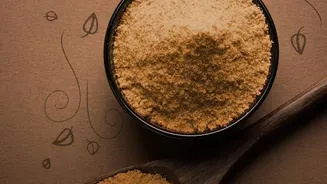
Long before protein shakes and imported superfoods became household names, there was sattu. A staple food primarily in Bihar, Jharkhand, and Uttar Pradesh, sattu is a flour made from roasted Bengal gram (chana). The roasting process gives it a unique
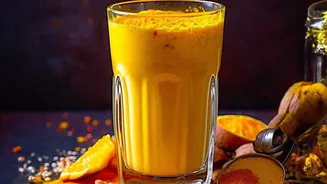
nutty flavour and, more importantly, makes its nutrients easier to digest. Traditionally, it has been the cornerstone of simple, hearty meals. It's famously consumed as a cooling 'sharbat', a savoury drink mixed with water, black salt, and lemon, perfect for battling the harsh Indian summers. It also forms the delicious, protein-packed stuffing for regional delicacies like litti chokha and sattu parathas, providing sustained energy for a long day's work.
A Nutritional Powerhouse
The reason for sattu's resurgence lies in its impressive nutritional profile, which seems tailor-made for today’s wellness-focused consumer. It is a fantastic source of plant-based protein, with some varieties containing around 20 grams of protein per 100-gram serving, rivalling many commercial protein powders. Beyond protein, it is exceptionally high in dietary fibre, which promotes gut health, keeps you feeling full for longer, and aids in weight management. Furthermore, sattu has a low glycemic index, meaning it releases energy slowly and prevents the sudden blood sugar spikes associated with many other carbohydrates. This combination of high protein, high fibre, and complex carbs makes it an ideal food for sustained energy, muscle recovery, and overall metabolic health.
The Modern Makeover
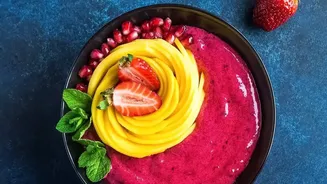
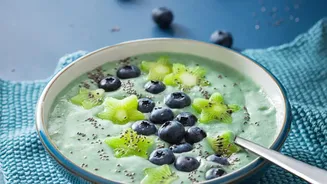
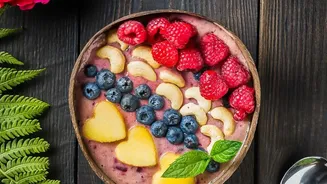
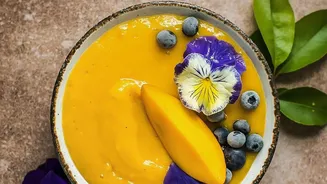
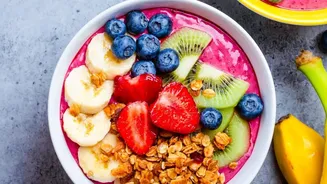
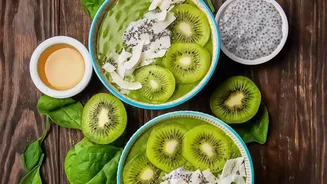
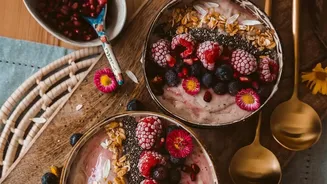
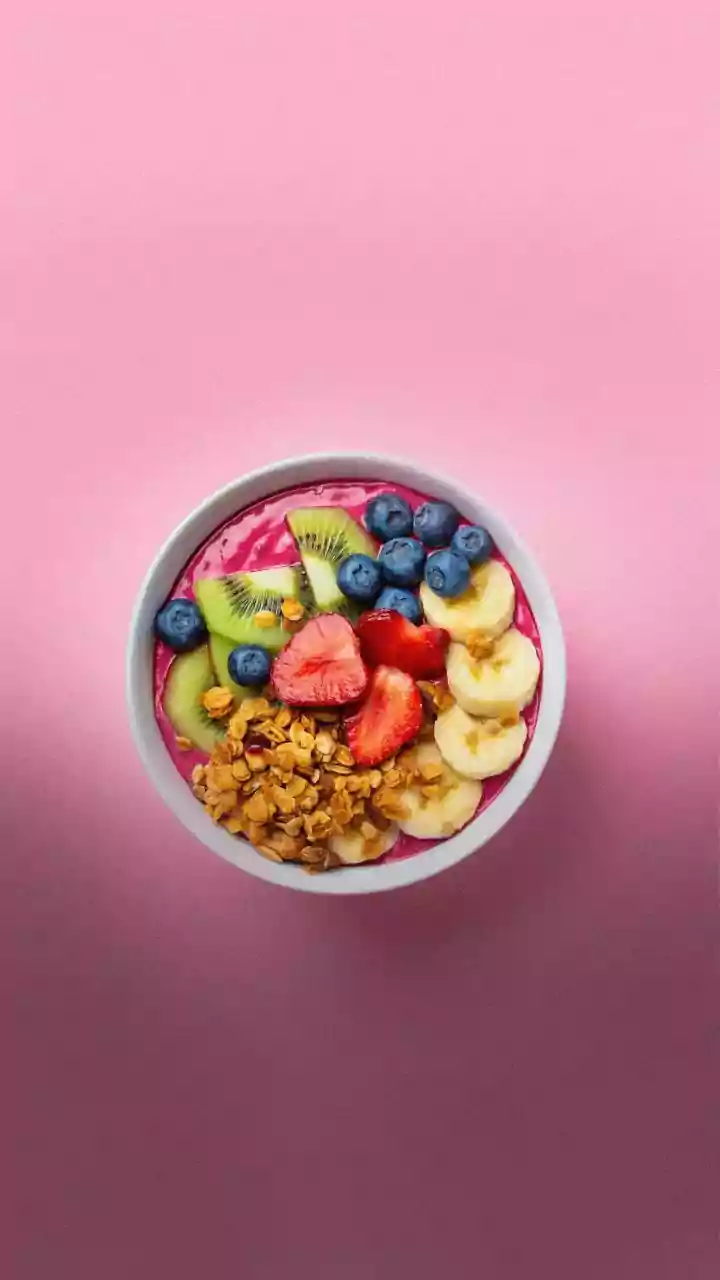
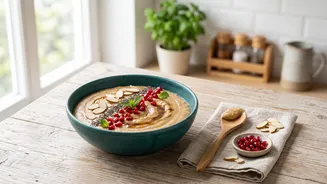
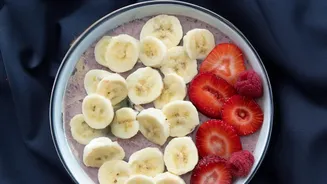
While the traditional sattu sharbat remains a classic, the modern fitness world is reimagining this versatile flour. The new-age avatar of sattu is finding its home in blender jars across the country. Instead of just water and salt, sattu is now being blended with yogurt, bananas, dates, and nut butters to create thick, creamy smoothie bowls. This format makes it an appealing and convenient post-workout meal or a quick, nutrient-dense breakfast. Its earthy, nutty taste pairs surprisingly well with fruits and other smoothie ingredients. Beyond drinks, it is being incorporated into protein laddoos, healthy pancakes, and even savoury soups, proving its incredible adaptability. This fusion allows people to enjoy the benefits of sattu in formats that align with global health trends.
Why The Sudden Glow-Up?
Sattu's journey from a regional staple to a trendy health food is no accident. It is being driven by a larger shift in consumer mindset. There is a growing movement towards embracing local, indigenous foods over expensive, imported alternatives like quinoa and chia seeds. As health consciousness rises in India, consumers are looking for clean, affordable, and sustainable sources of nutrition, and sattu fits the bill perfectly. The boom in plant-based and vegan diets has also created a huge demand for high-quality non-animal protein sources. Influencers and nutritionists are increasingly highlighting the benefits of traditional Indian ingredients, giving them a fresh wave of popularity. In essence, sattu’s comeback is a story of rediscovery—finding a modern solution in an age-old tradition.