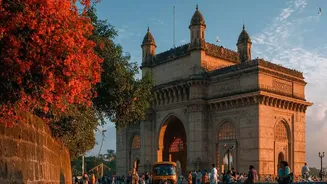




We’ve all seen it: the photo of a stunning landmark, serene and majestic. Then you arrive, only to find yourself in a sea of selfie sticks. The reality of modern travel is often a battle with crowds, but what if the most memorable trip is the one that
avoids the queue altogether?
The Psychology of a Bad Queue
There's a science to why long queues and dense crowds diminish our travel experiences. Psychologists refer to perceived crowding as a negative evaluation of density, and studies show it directly lowers satisfaction. When you're jostling for a view or waiting an hour for a ticket, your brain isn't relaxed and receptive; it's stressed and fatigued. This state of 'tourist fatigue' can impair everything from your mood to your cognitive function. Instead of encoding the rich sensory details of a place—the intricate carvings, the scent of local flora—your brain is preoccupied with navigating the chaos. This is why many details from crowded trips fade so quickly; they were never properly stored in the first place.
What Makes a Memory 'Rich'?
Lasting, meaningful memories are rarely about just seeing a famous sight. Research shows our brains are wired to remember novelty, emotion, and active engagement. Novelty—experiencing something for the first time—forces our brain to pay close attention, creating deeper and more durable memory pathways. Emotion acts as a powerful amplifier; moments of awe, joy, or genuine human connection are tagged by our brains as 'important' and worth preserving. Crowded tourist attractions often strip away both. The experience becomes passive and predictable, a checklist item rather than a discovery. A challenging hike to a secluded viewpoint or a spontaneous conversation with a local shop owner, however, provides the exact ingredients for a memory that lasts a lifetime.
Swap the Checklist for Curiosity
The key to finding these richer experiences is a mental shift: trade the travel checklist for a sense of curiosity. Instead of asking, 'What are the top 10 sights?', ask, 'What is this region known for?'. If the answer is mountains, seek out a lesser-known trail. If it's history, look for a smaller, well-preserved fort or village. This approach opens the door to unexpected adventures and authentic cultural encounters. It’s about trusting that the most rewarding moments are often the ones you can’t plan. By embracing the unknown, you move from being a passive sightseer to an active explorer, which is where the real magic happens.
For Mountain Serenity Without the Rush
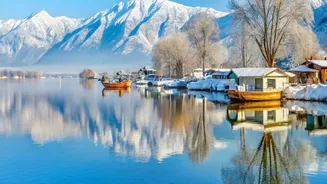
Many of India's most popular hill stations, like Manali, often groan under the weight of traffic and tourists. But for every crowded hotspot, there's a peaceful alternative. Instead of the hustle of Manali, consider the Tirthan Valley in Himachal Pradesh. Tucked away near the Great Himalayan National Park, it offers pristine pine forests, riverside homestays, and a silence that’s increasingly rare. Similarly, while Ooty is a classic destination, the nearby town of Kotagiri in Tamil Nadu provides the same sprawling tea estates and misty mornings without the commercial crush. The goal isn't to avoid beauty, but to find it in a more tranquil setting.
For Coastal Charm Beyond the Crowds
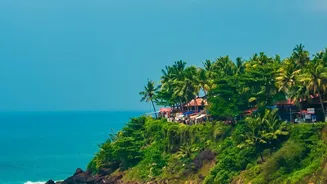
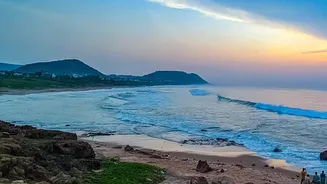
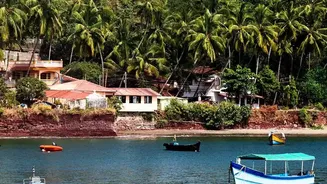
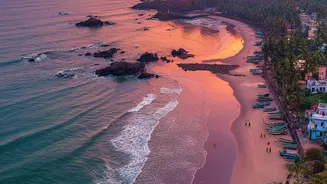
Goa's beaches are legendary, but their popularity can sometimes be their downfall. For a similar coastal vibe with a fraction of the crowd, Gokarna in Karnataka is a fantastic option. Its beaches like Kudle and Paradise are known for their laid-back atmosphere and clean shores. Further down the coast, Varkala in Kerala offers stunning cliff-side views of the Arabian Sea and a spiritual, unhurried vibe that stands in stark contrast to the party-centric strips of more famous beach towns. These places allow you to connect with the rhythm of the waves, not the noise of the crowd.
More Than Just a Good Trip
Choosing less-travelled paths offers benefits beyond your own memories. It's a more sustainable way to travel, distributing tourist spending to smaller communities that may need it more. When you stay in a family-run guesthouse or eat at a local dhaba in a small town, your money makes a more direct and meaningful impact. This approach also helps combat 'overtourism', a phenomenon that strains infrastructure, damages the environment, and can diminish the quality of life for local residents in popular destinations. By venturing off the beaten path, you're not just creating a better experience for yourself; you're contributing to a healthier, more balanced tourism ecosystem for everyone.