


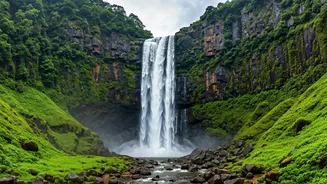


Understanding the Monsoon Challenge
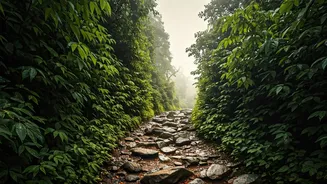
The journey between Lonavala and Mahabaleshwar during monsoon is a breathtaking experience, but it demands respect for nature's power. From June to September, heavy rainfall makes the landscape vibrant but also introduces risks. Basalt rock, common in the region,
becomes extremely slippery when wet, turning simple paths into hazardous zones. Visibility can drop to near zero in seconds due to dense fog, especially at higher viewpoints, and sudden, heavy downpours can cause small streams to swell dangerously. Being prepared isn't just about convenience; it's a critical safety measure.
Your Essential Monsoon Packing List
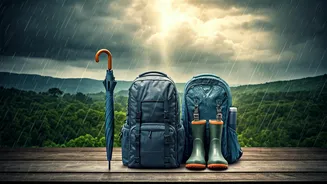
Packing smart is the first step to a successful trip. Your luggage should be water-resistant, and your contents protected. Pack quick-drying clothes made of synthetic fabrics; avoid denim and cotton, which get heavy and take a long time to dry. A reliable poncho or a breathable, waterproof jacket is non-negotiable. The right footwear is crucial: invest in trekking shoes with excellent grip for slippery trails and ankle support. Also, pack a pair of floaters or sandals for relaxing after a trek. A waterproof backpack or a dry bag for your electronics, a power bank for potential outages, and a first-aid kit with antiseptic, band-aids, and insect repellent are essential. Packing extra pairs of polyester-blend socks will keep your feet drier and help prevent blisters.
Navigating the Roads Safely
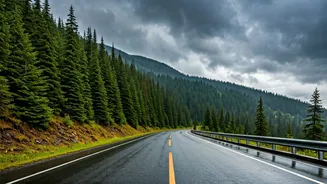
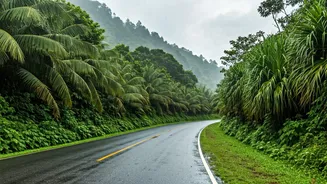
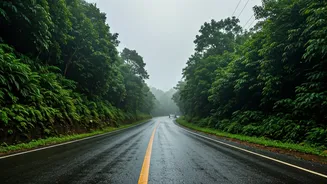
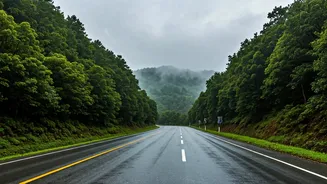
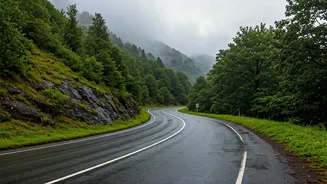
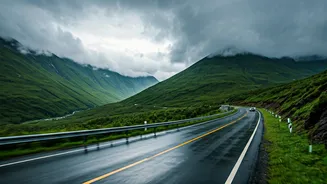
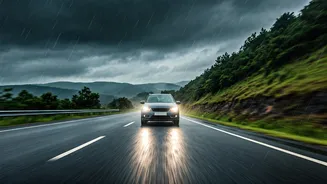
Driving requires heightened caution. The roads, especially the winding ghat sections, can be treacherous with reduced tyre grip and the potential for landslides. Drive slower than usual, maintain a safe distance from other vehicles, and avoid sudden braking. Night driving is best avoided due to poor visibility from rain and fog. Before you travel, always check for local advisories, as authorities may prohibit entry to certain tourist spots like Bhushi Dam, Lohagad Fort, or popular viewpoints if conditions are deemed unsafe. If you encounter a flooded road, do not attempt to drive through it, as the water's depth and underlying road damage are impossible to judge.
Trekking Smarter, Not Harder
The Sahyadri ranges offer incredible monsoon treks like Rajmachi Fort, Duke's Nose, and Lohagad. However, safety must be your priority. Never trek alone; always go in a group or with an experienced local guide. Stick to marked trails and avoid taking shortcuts, which can be disorienting and dangerous. Use a walking stick or trekking poles for better stability and to gauge the sturdiness of the ground ahead. Be wary of slippery rocks, loose soil, and swollen streams. Encounters with leeches are common in the wet forests; wearing full-length trousers and applying salt or a repellent can help. Finally, never take selfies or photos from risky cliff edges or near gushing waterfalls, as many accidents are caused by such lapses in judgment.
Local Flavours and Responsible Tourism
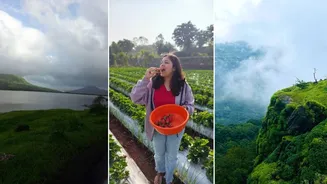
The journey is also about enjoying the local culture. Savour hot vada pav and corn on the cob from roadside stalls, and don't miss Lonavala's famous chikki. In Mahabaleshwar, try the strawberry and cream desserts at Mapro Garden, a treat available year-round. While enjoying the beauty, be a responsible tourist. Do not litter, especially with plastics, as this clogs waterways and harms the fragile ecosystem. Respect any restrictions placed on tourist sites—they are for your safety and the preservation of the environment.