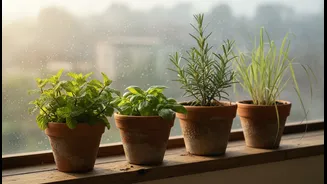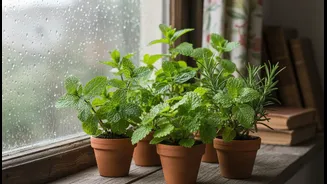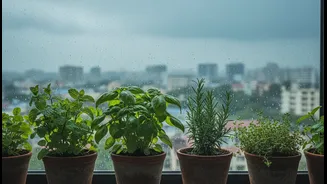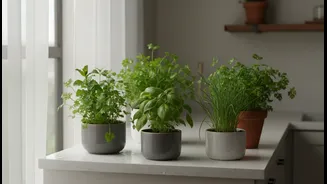




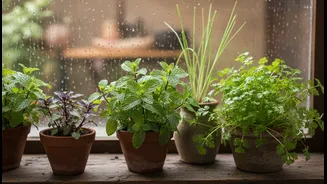


1. Mint (Pudina)
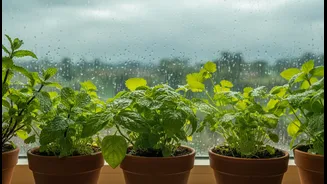
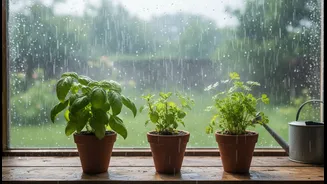
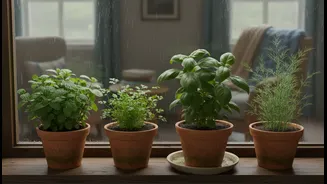
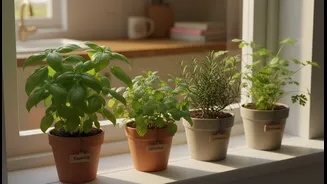
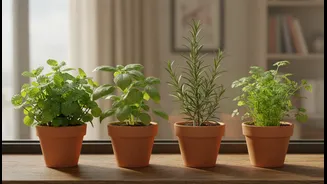
A staple in Indian households, mint is one of the most forgiving herbs for beginners. It’s known for its vigorous growth and can tolerate partial shade, making it perfect for an indoor monsoon garden. The reduced sunlight during the rainy season is often
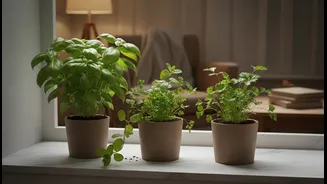
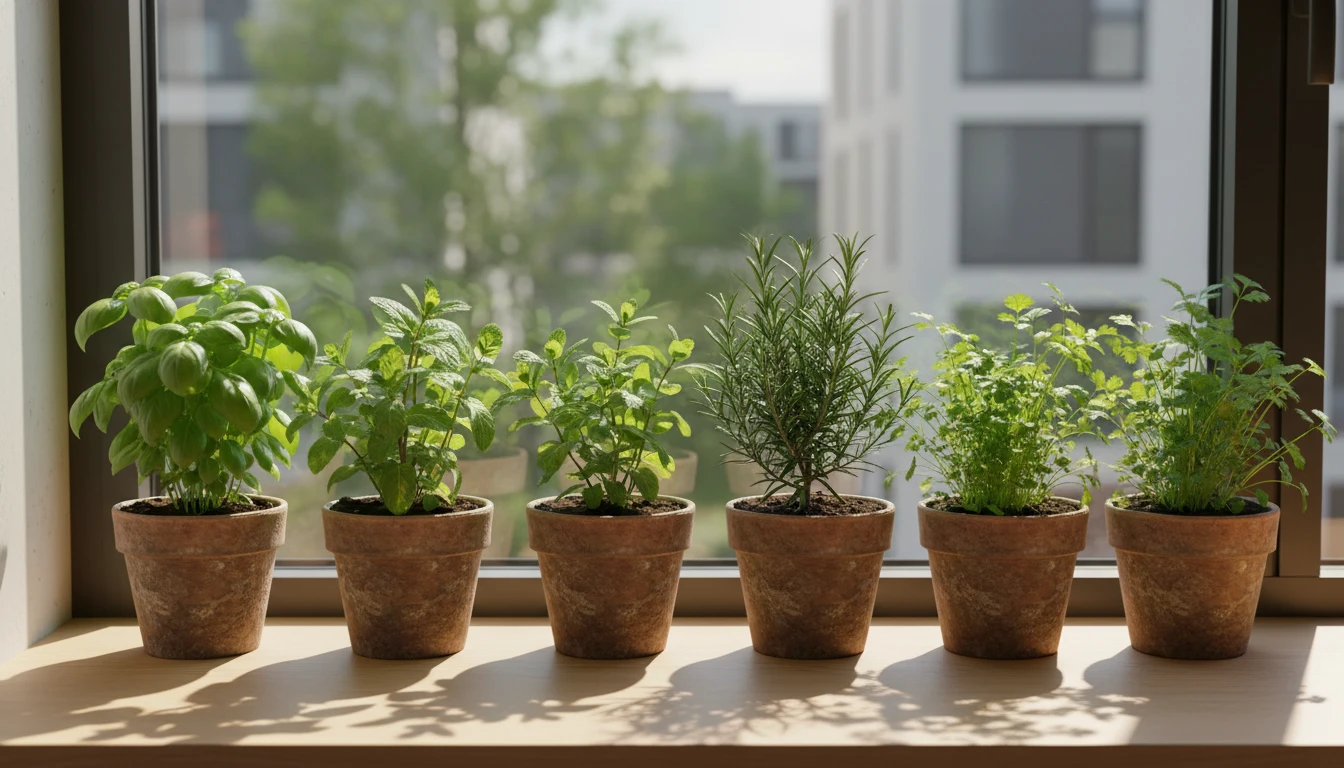
enough for mint to thrive. Plant cuttings in a wide pot to accommodate its tendency to spread. Use a well-draining potting mix, as mint prefers moist but not waterlogged soil—a crucial point during the humid monsoon months to prevent root rot. Water when the top inch of soil feels dry. Place it on an east-facing windowsill where it can get gentle morning sun. Harvest leaves by snipping stems regularly to encourage bushier growth. Fresh pudina is perfect for chutneys, raitas, refreshing teas, and garnishing biryanis.
2. Coriander (Dhania)
No Indian kitchen is complete without fresh coriander. While it can be tricky, growing it indoors during the monsoon gives you an advantage by protecting it from heavy rains and intense heat, which can cause the plant to bolt (flower prematurely). Coriander prefers cooler weather and can grow in partial shade, though it still needs a few hours of light. A spot near a bright window that doesn't get harsh direct sun is ideal. Sow seeds directly into a pot with good drainage, as coriander dislikes being transplanted. Keep the soil consistently moist but not soggy. One of the biggest challenges with indoor coriander is providing enough light to prevent it from becoming thin and leggy. If your plant is stretching, it needs more light. Harvest the outer leaves first, cutting the stems near the base to encourage the plant to keep producing.
3. Indian Borage (Ajwain Patta)
Often mistaken for the ajwain (carom) seed plant, Indian Borage is a fragrant, fleshy-leaved herb with a distinct oregano-like flavour. It is incredibly easy to grow and thrives in partial shade. Its succulent nature means it holds water in its leaves and stems, so it's quite resilient if you occasionally forget to water it. However, it is susceptible to root rot, so a well-draining soil mix is essential. This herb is perfect for a low-light corner of your kitchen. It can be easily propagated from a single stem cutting placed in soil or water. The aroma is potent and a few leaves are enough to flavour pakoras, chutneys, or even be used in home remedies for coughs and colds. Its hardy nature and minimal light requirement make it an excellent choice for monsoon indoor gardening.
4. Lemon Balm
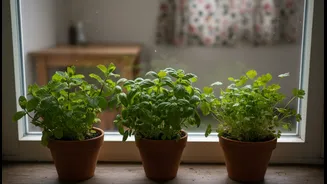
A member of the mint family, lemon balm offers a wonderful, citrusy aroma and is surprisingly adaptable to indoor conditions. While it performs best with several hours of sun, it tolerates partial shade well, and growing it indoors protects it from becoming invasive. The yellow-leaved varieties are particularly well-suited for growing in light shade. Plant it in a pot with drainage holes and use a standard potting mix. Like mint, it prefers consistently moist soil but is prone to root rot if overwatered. Good air circulation is also important to prevent issues like powdery mildew, a common problem in humid weather. The leaves can be harvested at any time to add a zesty, lemony flavour to teas, salads, and fish dishes, bringing a bright note to gloomy monsoon days.