



What Defines a 70s Shag?
The shag is all about texture, movement, and a distinctly 'undone' vibe. Created by barber Paul McGregor, it became a unisex sensation after Jane Fonda debuted the look in the 1971 film 'Klute'. The cut is defined by heavy layers that are shorter at the crown,
creating volume up top, and longer, wispier layers toward the ends. This creates a 'shaggy' or feathered effect. The style was adopted by rock royalty like Stevie Nicks, Joan Jett, and Mick Jagger, cementing its status as the official haircut of rock and roll. A fringe is another key element, with wispy or curtain bangs being the most classic pairing to frame the face.
The Modern Shag's Enduring Appeal
Decades later, the shag continues to be one of the most requested styles in salons. Its modern appeal lies in its incredible versatility and low-maintenance attitude. While the classic 70s version was often dramatic, today's shag can be adapted to any hair length and texture. Celebrities like Jenna Ortega, Miley Cyrus, and Billie Eilish have all sported modern versions, from short 'wolf cuts' to longer, softer styles. The shag gives fine hair the illusion of fullness, removes unnecessary weight from thick hair, and allows natural waves and curls to shine. It’s the ultimate 'I woke up like this' haircut that grows out beautifully, requiring fewer salon visits than more structured styles.
Finding the Right Shag for You
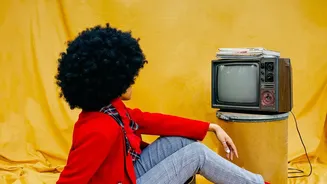
The beauty of the shag is its adaptability. The layers can be tailored to flatter any face shape. For round faces, longer layers and a side-swept fringe can add length, while soft, cheek-grazing pieces can soften a square jawline. Oval and heart-shaped faces can pull off almost any variation. The cut is also a game-changer for different hair textures. A curly shag, like Sandra Oh's, uses layers to create a beautiful, rounded shape and prevent curls from feeling weighed down. For straight or fine hair, the layers build volume and movement that might otherwise be missing. It can work on any length, from a shaggy bob or 'shob' to long, flowing locks.
How to Ask Your Stylist for the Look
Communication is key to getting the shag of your dreams. Instead of just saying 'give me a shag', get specific. Bring plenty of reference photos showing both the overall shape and the texture you want. Use descriptive phrases like 'soft, blended layers', 'volume at the crown', and 'wispy, face-framing fringe' or 'curtain bangs'. Discuss the length you want to keep and how heavily layered you want to go. A great stylist will often use a razor or point-cutting techniques to create that signature choppy, textured effect. Don't be afraid to specify how much maintenance you're willing to do; a shag can be wash-and-go or more styled depending on the cut.
Styling and Maintaining Your Shag
Styling a shag is less about perfection and more about enhancing its natural texture. For many, simply air-drying is enough. To boost volume, apply a mousse or texturizing spray to damp roots. If you have waves or curls, use a diffuser to enhance your natural pattern without creating frizz. For a more classic 70s look, you can use a round brush to blow-dry your bangs and flick the ends out. The goal is an effortless, lived-in feel. Because the layers are meant to be choppy, the shag grows out gracefully. You’ll likely only need to pop in for a fringe trim every four to six weeks to keep the bangs at the perfect length.