






The Great European Solar Eclipse
Mark your calendars for August 12, 2026. On that day, a total solar eclipse will sweep across the Arctic, Greenland, Iceland, and northern Spain. [3, 7, 9] For those in the path of totality, the Moon will completely block the Sun, revealing its ethereal
outer atmosphere, the corona. [7, 12] This will be the first total solar eclipse visible in mainland Europe since 1999. [12] The path of totality will offer dramatic viewing opportunities, from the icy landscapes of Greenland to the coast of Spain, where the eclipse will occur just before sunset. [7, 10] A partial eclipse will be visible across a much wider area, including most of Europe, parts of North Africa, and the north of North America. [3, 9]
Japan's Daring Martian Moon Heist
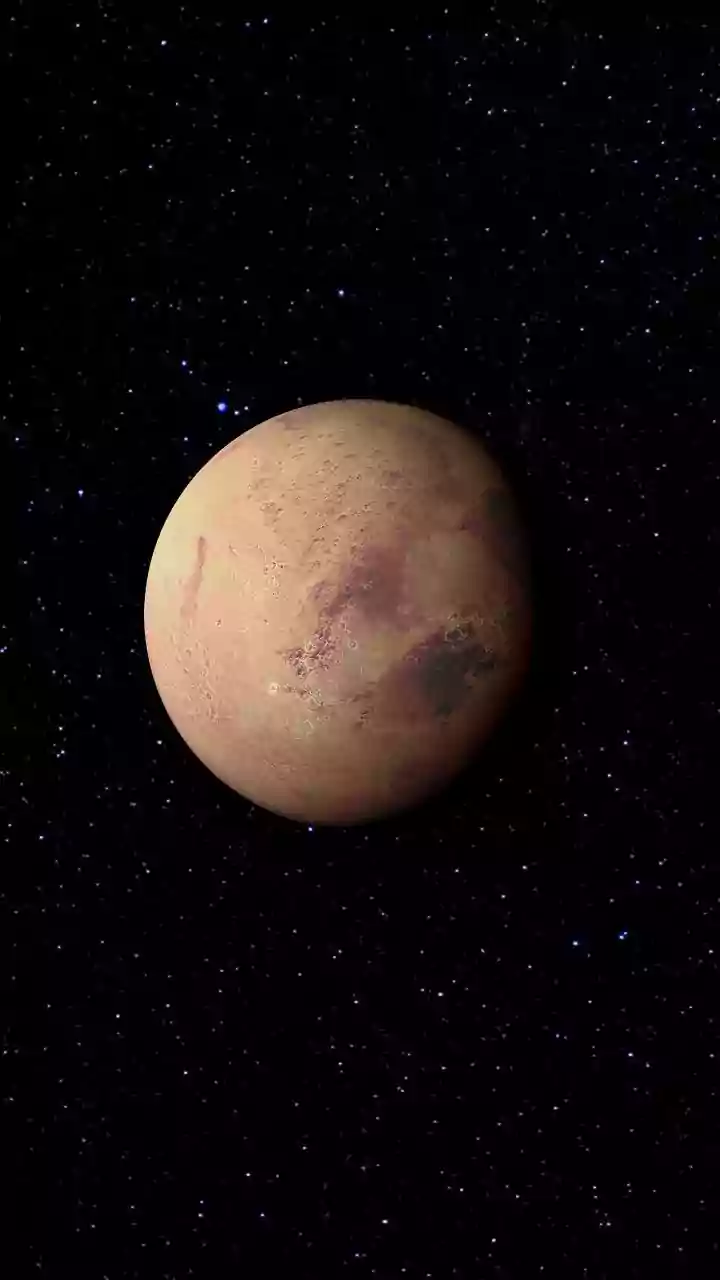
In an audacious mission, the Japan Aerospace Exploration Agency (JAXA) is scheduled to launch its Martian Moons eXploration (MMX) mission in November 2026. [2, 13] The goal is to do something never attempted before: land on Mars's moon Phobos and collect a sample to return to Earth. [2] Scientists are unsure if Mars's two tiny moons, Phobos and Deimos, are captured asteroids or remnants from a giant impact on Mars itself. The samples collected by MMX could finally solve this long-standing mystery of the solar system. [2]
Probing a Mysterious Ocean World
While it won't arrive at Jupiter until 2030, NASA's Europa Clipper spacecraft has a key date with Earth in December 2026. [16, 26] The probe, which launched in October 2024, will perform a crucial gravity assist flyby of our home planet to gain the speed needed for its long journey to the outer solar system. [23, 25, 26] Europa Clipper's ultimate destination is Jupiter's icy moon Europa, which is believed to hide a vast liquid water ocean beneath its frozen crust. [16] This Earth flyby is a critical milestone on its way to investigating whether this distant world has the potential to support life. [23]
Investigating a Dented Asteroid
In November 2026, the European Space Agency's (ESA) Hera spacecraft is scheduled to arrive at the Didymos-Dimorphos asteroid system. [2, 13] This is a follow-up to NASA's successful DART mission in 2022, which deliberately crashed a spacecraft into the smaller asteroid, Dimorphos, to alter its orbit. Hera will act as a cosmic detective, conducting a detailed survey of the impact site to understand the aftermath of the collision. [2] By studying the crater and the asteroid's composition, scientists hope to learn more about how to deflect potentially hazardous asteroids, a crucial step in planetary defense. [2]
A Flurry of Lunar and Commercial Activity
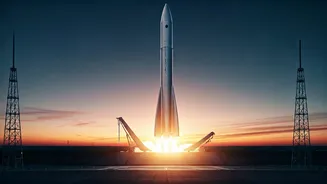
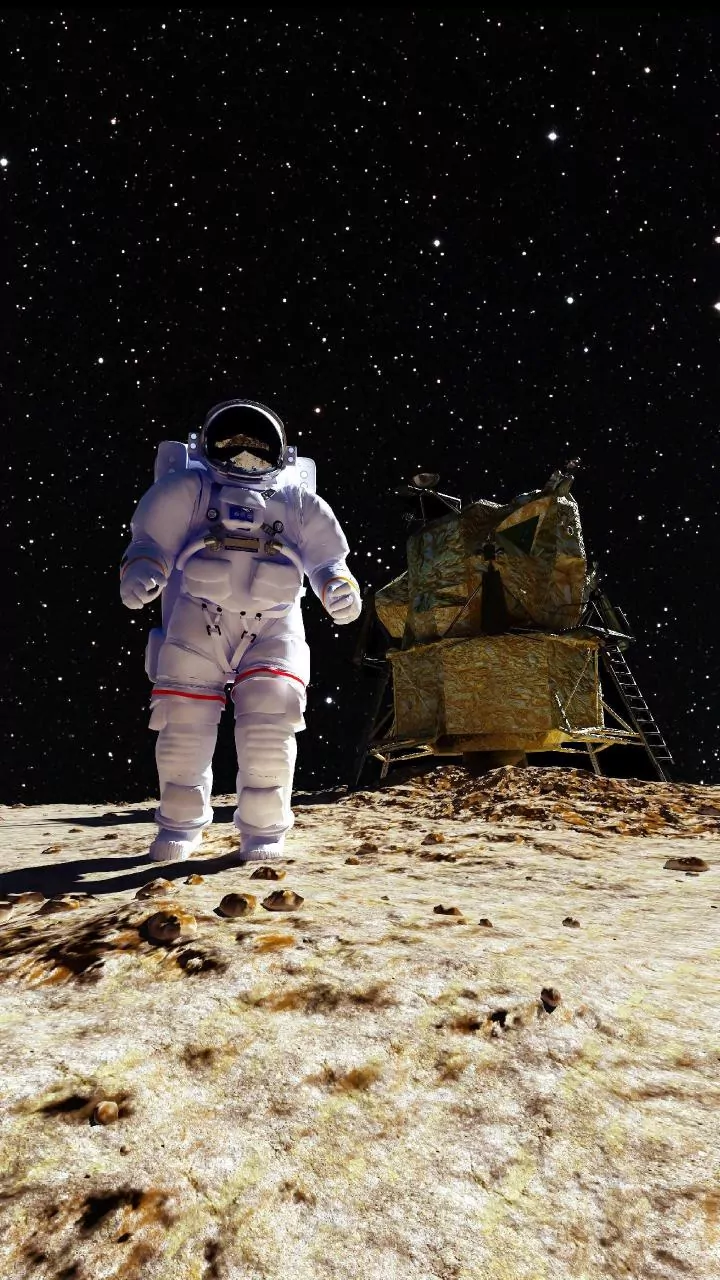
The year is also packed with other significant missions. China's Chang'e 7 is expected to head for the Moon's south pole in late 2026 to search for water ice. [2, 8, 13] The joint ESA-JAXA BepiColombo mission is due to finally enter orbit around Mercury after an eight-year journey. [2, 13] Meanwhile, commercial companies are pushing boundaries. Vast Space plans to launch Haven-1, a potential commercial space station module, and Sierra Space's Dream Chaser cargo spaceplane may make its first orbital flight. [5, 8] India's space agency, ISRO, also aims to conduct the first uncrewed test flight of its Gaganyaan spacecraft, a major step toward the country's own human spaceflight program. [5, 21]