


The Nutritional Power of Seeds
Seeds may be small, but they are nutritional giants packed with protein, healthy fats, and dietary fibre. Adding them to your diet can help keep you feeling full and energized for longer. Plant-based protein is essential for muscle repair and maintenance,
while healthy fats, including omega-3s found in seeds like flax and chia, are crucial for heart and brain health. The fibre content also aids in digestion and helps regulate blood sugar. This simple addition turns a classic breakfast into a well-rounded, modern meal that supports your wellness goals without much extra effort.
Choosing the Right Seeds
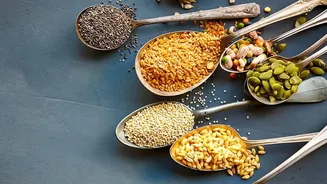
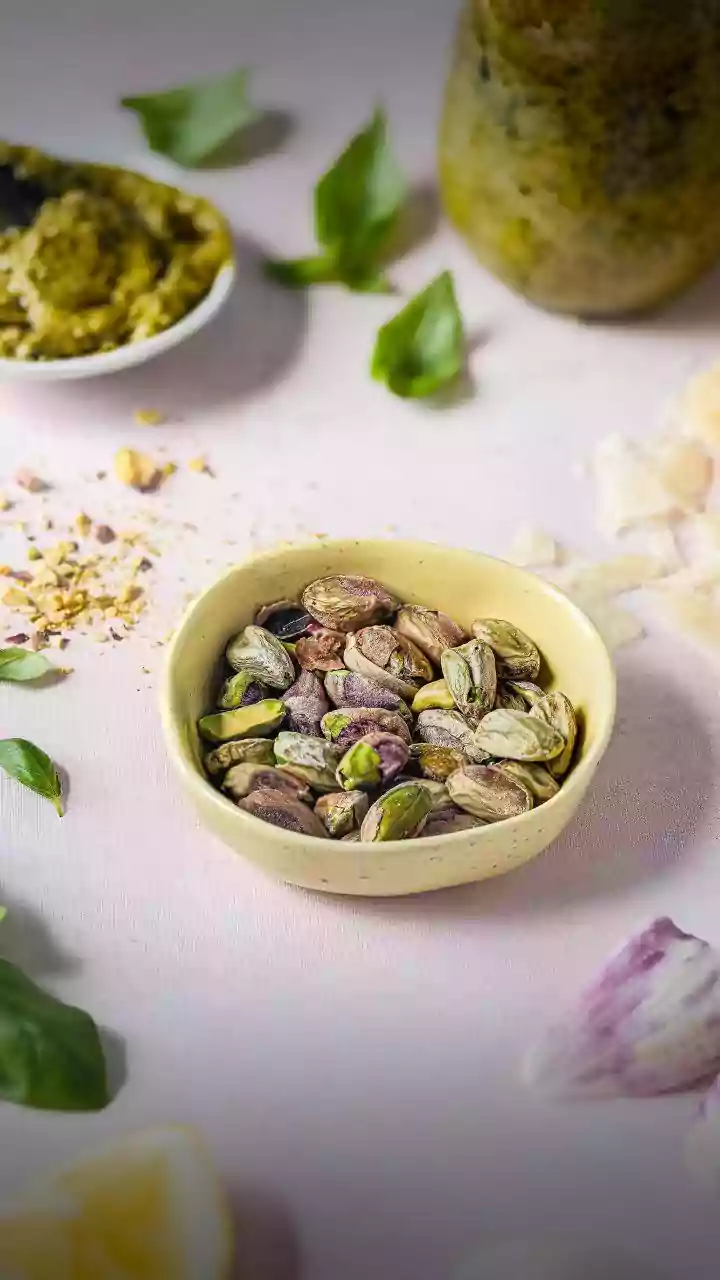
Variety is key when it comes to nutrition, and different seeds offer unique benefits. For a protein-focused boost, consider these excellent options: Pumpkin Seeds: Among the most popular edible seeds, pumpkin seeds are a fantastic source of plant-based protein, providing around 8-9 grams per 30-gram serving. They are also rich in magnesium and zinc. Hemp Seeds: Often considered a complete protein, hemp seeds contain all essential amino acids, similar to what you might find in meat or dairy. They are a top contender for the highest protein content among common seeds. Sunflower Seeds: These seeds are a great source of healthy unsaturated fats and vitamin E. Their mild, nutty flavour blends seamlessly into most chilla batters. Flax and Chia Seeds: While known for their fibre and omega-3 content, both flax and chia seeds also provide a good amount of protein. They are excellent binders and can help improve the texture of your batter, but it's important to grind them to unlock their full nutritional benefits.
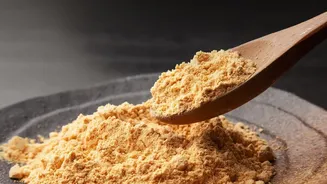
How to Make and Store Seed Powder
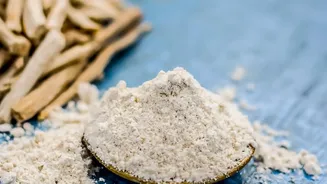
Making your own seed powder is incredibly simple and ensures maximum freshness. You can create a powder from a single type of seed or make a custom blend of your favourites. To start, you may lightly toast seeds like pumpkin or sunflower in a dry pan for a few minutes to enhance their nutty flavour, but this step is optional. Allow the seeds to cool completely before grinding. Use a coffee grinder, spice grinder, or a powerful blender to pulse the seeds until they form a fine powder. Be careful not to over-grind, as the natural oils can turn the powder into a paste or butter. For seeds like flax and chia, grinding is especially important for nutrient absorption. Store your finished powder in an airtight container in a cool, dark place. For seeds with higher fat content like flax, refrigeration can help maintain freshness for longer.
Getting the Batter Just Right
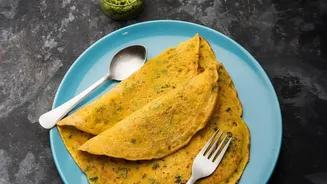
The secret to a perfect seed-boosted chilla is getting the ratio right. Adding too much powder can make the batter dense and alter the final taste and texture. A good rule of thumb is to start by adding one to two tablespoons of seed powder for every one cup of chilla flour (like besan or moong dal). Whisk the powder into the dry flour before adding water to ensure it's evenly distributed and prevent clumps. Since seeds, especially chia and flax, absorb a lot of liquid, you may need to add a little extra water to your batter to reach the desired pourable consistency. Let the batter rest for about 10 minutes; this allows the flour and seed powder to fully hydrate, resulting in a smoother, more spreadable chilla.
Perfect Pairings for Your Chilla
Seed powders work well with all types of chilla batters, from the classic besan (gram flour) to those made with moong dal or suji (semolina). The nutty, earthy flavour of most seed powders naturally complements the savouriness of a besan chilla. When added to a moong dal chilla, the powder adds a textural contrast to the batter's inherent softness. You can also enhance the protein content further by adding other ingredients like grated paneer, tofu, or even finely chopped vegetables to the batter. Don't be afraid to experiment with different seed combinations to find what you enjoy most. Serving your high-protein chilla with a side of yogurt or mint chutney completes this delicious and satisfying meal.