

The High Cost of Going Electric
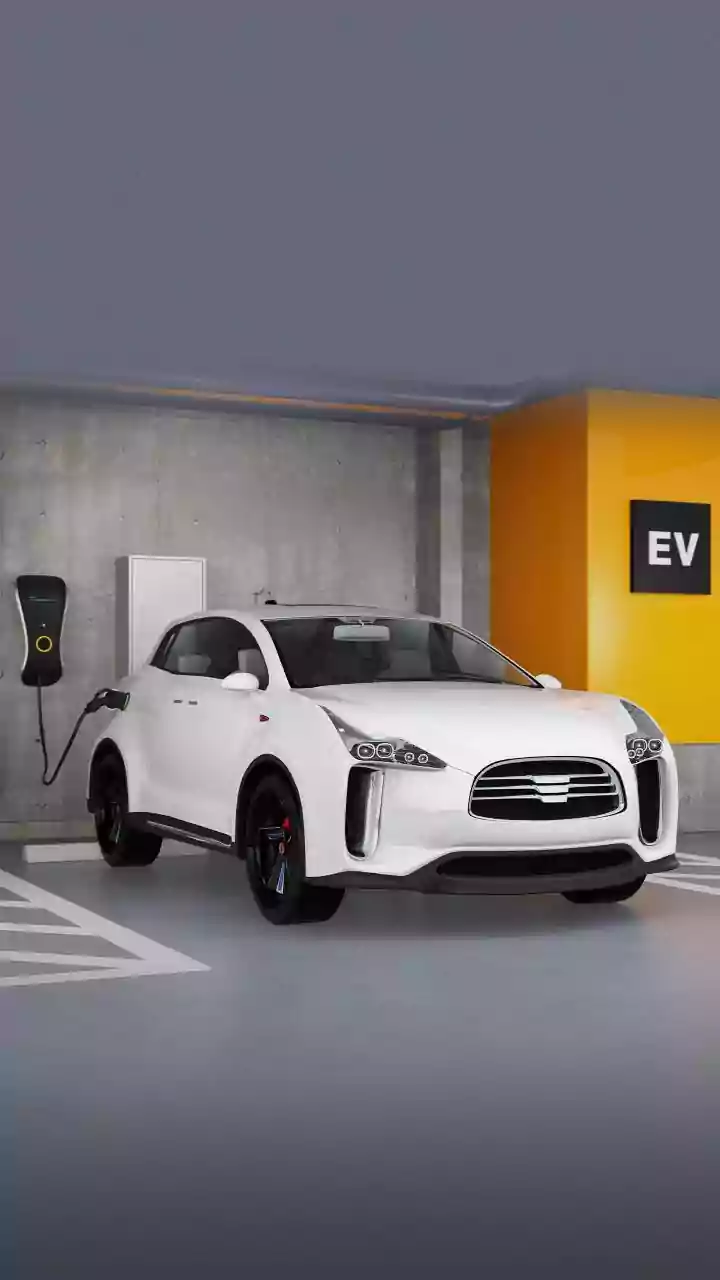
India has set an ambitious target of 30% electric vehicle penetration by 2030, a crucial step towards reducing emissions and fuel import bills. However, the heart of every EV—the lithium-ion battery—comes with a significant hidden cost. These batteries
rely on minerals like lithium, cobalt, and nickel. For these, India is 100% import-dependent, creating a major strategic and economic vulnerability. The country's critical mineral import bill more than doubled in just three years, reaching over $8 billion in 2023-24. This dependency isn't just about price; it's about geopolitical risk. A vast majority of these processed minerals and battery components come from China, giving the country immense control over the global EV supply chain.
Enter Sodium-Ion: A Homegrown Solution
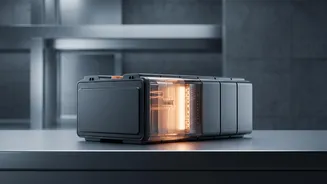
Sodium-ion (Na-ion) technology presents a compelling alternative. Functionally, these batteries are very similar to their lithium-ion cousins, using the movement of ions to store and release energy. The crucial difference lies in the core material. Instead of scarce lithium, they use sodium, an element that is over 500 times more abundant and readily available in common salt. This abundance dramatically changes the economic equation. The raw material for sodium-ion batteries, sodium carbonate, is significantly cheaper than battery-grade lithium carbonate, potentially reducing battery costs by 40-50%. This makes Na-ion a game-changer for producing affordable EVs and energy storage systems in India.
More Than Just Cheaper Materials
The benefits of sodium-ion technology go beyond just raw material costs. These batteries are inherently safer, as their chemistry is less prone to thermal runaway—the dangerous overheating that can cause fires in lithium-ion batteries. They can even be safely discharged to zero volts for transport, a feat not possible with lithium-ion cells. Furthermore, Na-ion batteries demonstrate superior performance in a wider range of temperatures. They perform exceptionally well in extreme cold, retaining around 90% of their capacity at temperatures as low as -20°C, a condition where lithium-ion performance degrades sharply. This makes them highly suitable for India's diverse climatic conditions.
The Trade-Offs and the Path Forward
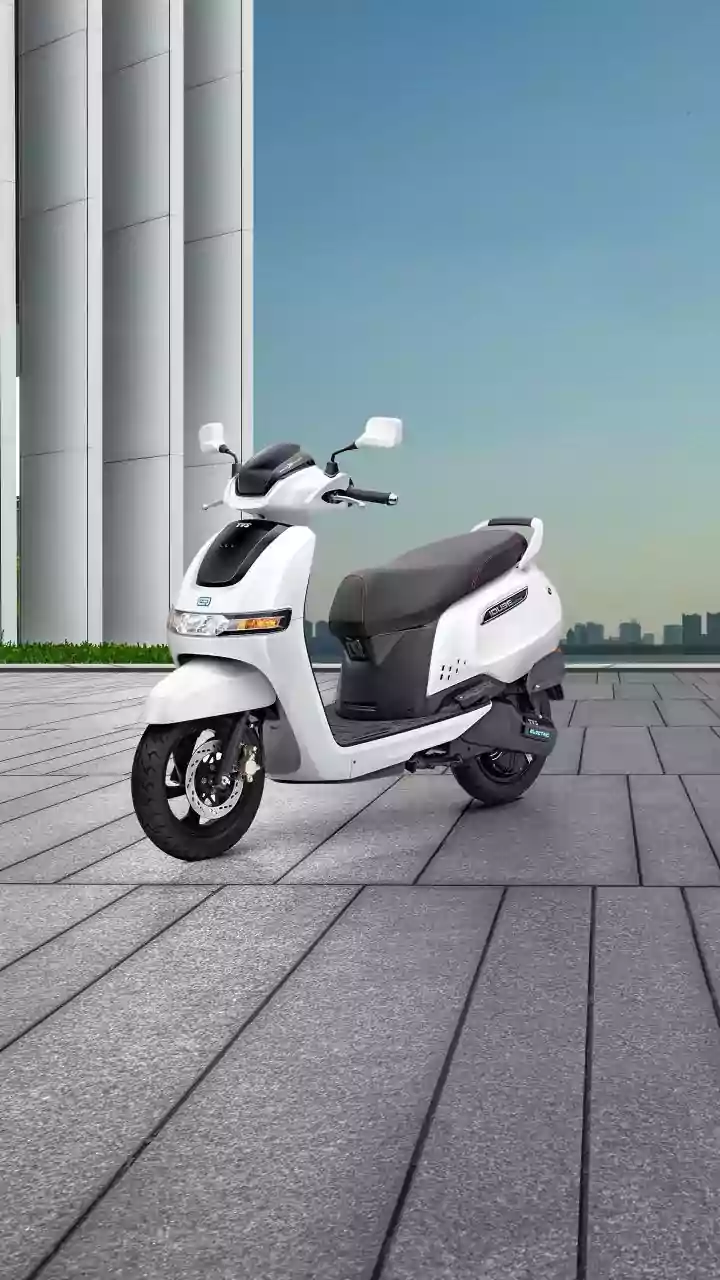
Despite its advantages, sodium-ion technology is not a perfect replacement for every application. Its primary drawback is lower energy density, meaning a Na-ion battery is typically larger and heavier than a lithium-ion battery with the same energy storage. Current commercial Na-ion cells offer energy densities around 160 Wh/kg, compared to 150-250 Wh/kg for mainstream lithium-ion batteries. This makes them less ideal for high-performance, long-range passenger cars where size and weight are critical. However, they are perfectly suited for applications like electric two-wheelers, three-wheelers, and stationary energy storage for the power grid, markets where cost and safety are paramount.
Indian Innovators Seizing the Opportunity
The potential of sodium-ion technology has spurred significant activity within India. Reliance Industries made a major move by acquiring UK-based Na-ion pioneer Faradion, with plans to establish a giga-scale manufacturing plant in India. Meanwhile, startups are innovating at a rapid pace. Roorkee-based IndiEnergy, a spin-off from IIT Roorkee, is developing sodium-ion cells using a unique anode material called 'BioBlack', which is produced from agricultural waste like crop stubble. This not only creates a sustainable battery but also offers a solution to the pressing issue of crop burning in North India. Another Pune-based startup, Rechargion, is also developing Na-ion batteries using locally sourced raw materials, targeting the two and three-wheeler market.