




The Soaring Cost of Petrol and Diesel
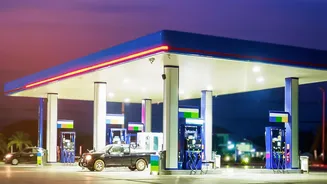
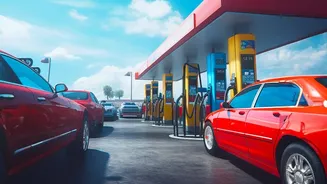
The single biggest catalyst for this change is the persistent rise in petrol and diesel prices. With fuel costs remaining high, the concept of 'running cost' has moved from a secondary concern to a primary decision-making factor for the average car buyer.
A simple calculation reveals the stark difference: running a petrol car can cost between ₹7-8 per kilometre, whereas a CNG car operates at around ₹2.5-3.5 per kilometre. Electric vehicles, especially when charged at home, offer an even more dramatic saving, with running costs as low as ₹1-2 per kilometre. This economic pressure is forcing a fundamental rethink of vehicle ownership, pushing consumers to explore more frugal alternatives.
CNG: The Cost-Effective Champion
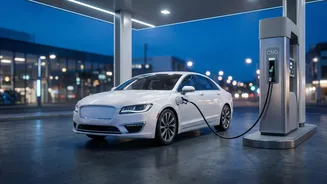
Compressed Natural Gas (CNG) has emerged as the undisputed leader in the alternative fuel race, primarily due to its affordability and expanding infrastructure. In August 2026, CNG vehicles captured a record 25% of the market. Automakers like Maruti Suzuki, which dominates with nearly 70% of the CNG market, have heavily invested in factory-fitted CNG kits. This has alleviated earlier concerns about safety and performance, making CNG a mainstream choice. For high-mileage urban commuters, the slightly higher initial cost of a CNG variant is quickly recovered through fuel savings, making it the most practical and financially sound choice for millions. The trade-off in boot space and a slight drop in power are compromises many are now willing to make.
Electric Vehicles: A Future-Forward Push
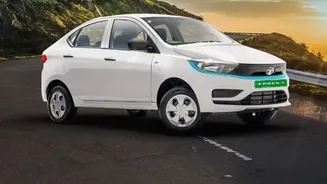
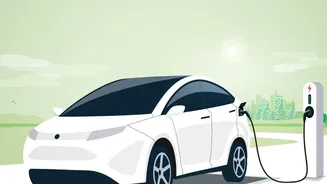
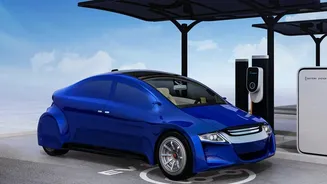
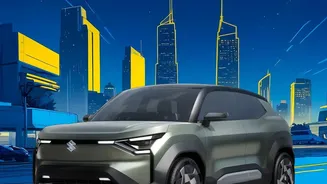
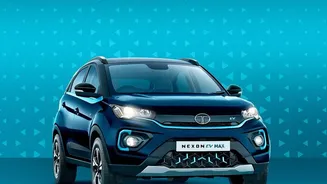
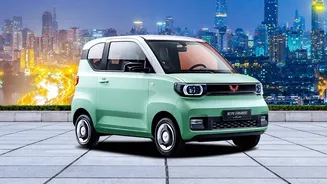
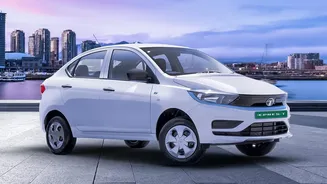
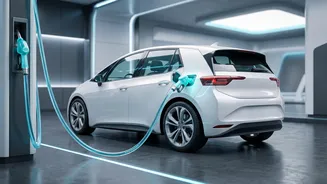
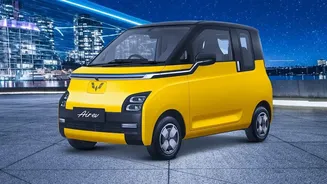
Electric vehicles (EVs) are no longer a niche segment; they are a fast-growing reality. Propelled by government incentives and a growing environmental consciousness, EV sales have seen explosive growth. In the first half of 2026, battery-electric vehicle sales grew by a massive 65% year-on-year. While the initial purchase price remains a barrier for some, a combination of government schemes like PM E-DRIVE and tax benefits on loans are softening the blow. The rise of homegrown players like Tata Motors and Mahindra, which are launching more accessible models, has also been crucial. As charging infrastructure improves and range anxiety lessens, the appeal of a silent, zero-emission drive with rock-bottom running costs becomes increasingly compelling.
Hybrids: The Sensible Middle Ground
For buyers who are intrigued by electrification but not yet ready to commit to a pure EV, strong hybrids offer a perfect compromise. These vehicles combine a petrol engine with an electric motor, delivering significantly better fuel efficiency without the need for external charging. This technology effectively eliminates range anxiety while offering a smoother, quieter ride than a conventional petrol car. Automakers like Toyota have found immense success, commanding over 80% of the hybrid market with models like the Innova Hycross and Urban Cruiser Hyryder. While they are more expensive than their petrol counterparts, hybrids are positioned as a practical bridge technology, guiding the market towards a more electrified future without demanding a drastic change in consumer habits.
Policy and a Greener Mindset
Underpinning this entire market shift is a concerted push from the government. Stricter emission regulations, like the upcoming CAFE III norms from 2027, are forcing manufacturers to produce more fuel-efficient vehicles. These regulations strategically favour EVs and hybrids with 'super credit multipliers', incentivising their production. This policy direction, combined with subsidies and a growing public awareness of urban air pollution, is creating a powerful tailwind. The recent milestone where alternative fuels collectively outsold petrol for the first time in August 2026 wasn't an anomaly; it was the result of years of converging economic, policy, and social trends.