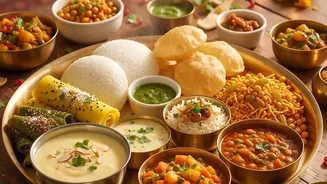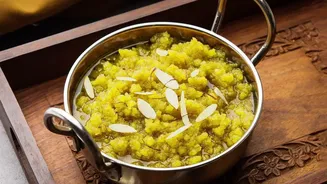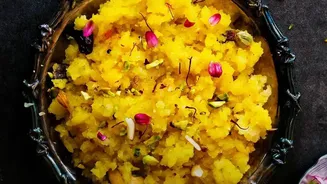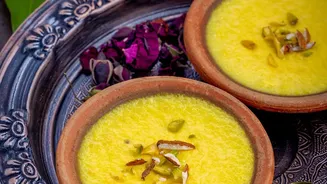



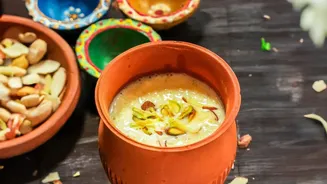
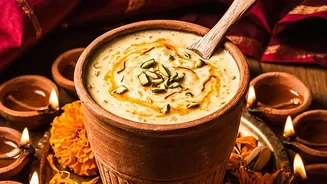
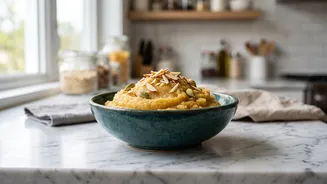
As the glow of Diwali fades, a familiar, unwelcome guest often arrives: the post-festival cough. And just as reliably, kitchens across India fill with the nutty aroma of Besan Sheera, a warm, golden concoction steeped in tradition.
A Hug in a Bowl
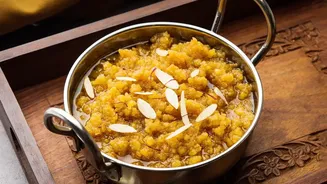
Besan ka Sheera is a semi-thick,
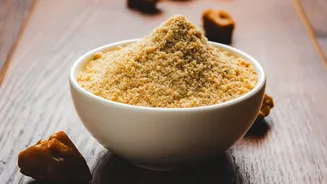
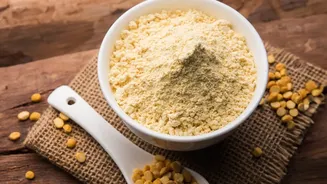
sweet beverage made by roasting gram flour (besan) in ghee and then simmering it with milk, a sweetener like jaggery or sugar, and a blend of aromatic spices. Typically, this includes turmeric, cardamom, and sometimes black pepper or ginger. For generations, particularly in North Indian households, it has been the go-to home remedy for anyone feeling under the weather, especially with a cold or cough. Served hot, preferably before bed, its primary role has always been to provide comfort and a feeling of warmth. The texture is smooth and coats the throat, offering immediate, albeit temporary, relief from scratchiness and irritation.
The Science Behind the Comfort
The belief in sheera's efficacy isn't just folklore; its ingredients have well-known beneficial properties. Ghee, for instance, is a healthy fat that can help soothe an irritated throat, while its warmth provides relief from congestion. Turmeric contains curcumin, a compound with powerful anti-inflammatory and antioxidant properties that can help the body manage infections. Black pepper is known to aid the absorption of curcumin and has antibacterial qualities. Besan itself is a good source of protein and nutrients like vitamin B1, which can help combat the fatigue that often accompanies illness. Together, these ingredients create a nourishing, energy-rich food that supports the body while it fights off an ailment.
Why 'Cure' Is the Wrong Word
Herein lies the crucial distinction. While the ingredients in besan sheera can help manage symptoms, they do not 'cure' a cough. A cough is a reflex, the body's way of clearing irritants from the airways. The underlying cause could be a viral infection like the common cold, a bacterial infection, or irritation from pollutants. A 'cure' would eradicate the root cause—for example, an antibiotic killing the specific bacteria responsible. Besan sheera, like other palliative remedies such as hot lemon with honey or cough lozenges, works by providing symptomatic relief. It soothes the throat, reduces inflammation, and provides warmth, making the cough less irritating and more bearable while your immune system does the actual work of healing. Attributing curative powers to any food can be misleading and potentially risky if it delays someone from seeking medical attention for a persistent or severe condition.
The Post_Diwali Connection
The tradition of turning to besan sheera is especially strong in the days following Diwali for a clear reason: a sharp decline in air quality. The combination of firecracker smoke, increased traffic, and seasonal weather patterns often leads to a spike in air pollution, particularly harmful fine particulate matter like PM2.5. These pollutants are known irritants to the respiratory system, causing inflammation, a dry or scratchy throat, and persistent coughing, even in healthy individuals. For those with pre_existing conditions like asthma, the effects can be even more severe. In this context, the post_Diwali cough is often a direct result of environmental irritation. The soothing, anti_inflammatory properties of a warm bowl of sheera become a logical and welcome response to this specific type of throat and airway irritation.
Embrace the Comfort,
Respect the Science
Describing besan sheera as a 'cure' does a disservice to both the tradition and to medical science. It overstates its role and risks creating false expectations. Instead,
we should celebrate it for what it truly is:
a powerful,
time–honoured comfort food.
It's a nutritional hug from a loved one,
a wellness ritual that provides physical relief and emotional solace.
It's a delicious way to keep the body nourished and hydrated,
which are essential for recovery.
Enjoying besan sheera is about embracing a wise tradition that understands the body's need for soothing care when it's under stress.
It doesn't need to be a 'cure' to be incredibly effective.