


The Sweetness of Victory and Reunion
Bijoya Dashami marks the culmination of Durga Puja, celebrating the victory of good over evil. But beyond the religious significance, it ushers in a period of profound social connection. For days, and sometimes weeks, following the immersion of the goddess's
idol, a beautiful tradition unfolds. Friends and families visit each other's homes to exchange 'Shubho Bijoya' (auspicious victory) greetings. This isn't just a formal custom; it’s a deeply ingrained cultural practice of mending fences, strengthening bonds, and reaffirming community ties. The younger generation seeks blessings from elders, and peers embrace in a warm 'kolakuli' (a hug). At the heart of this ritual is the act of sharing food, a gesture that transforms a simple visit into a cherished memory.
Hospitality Served in a Bowl
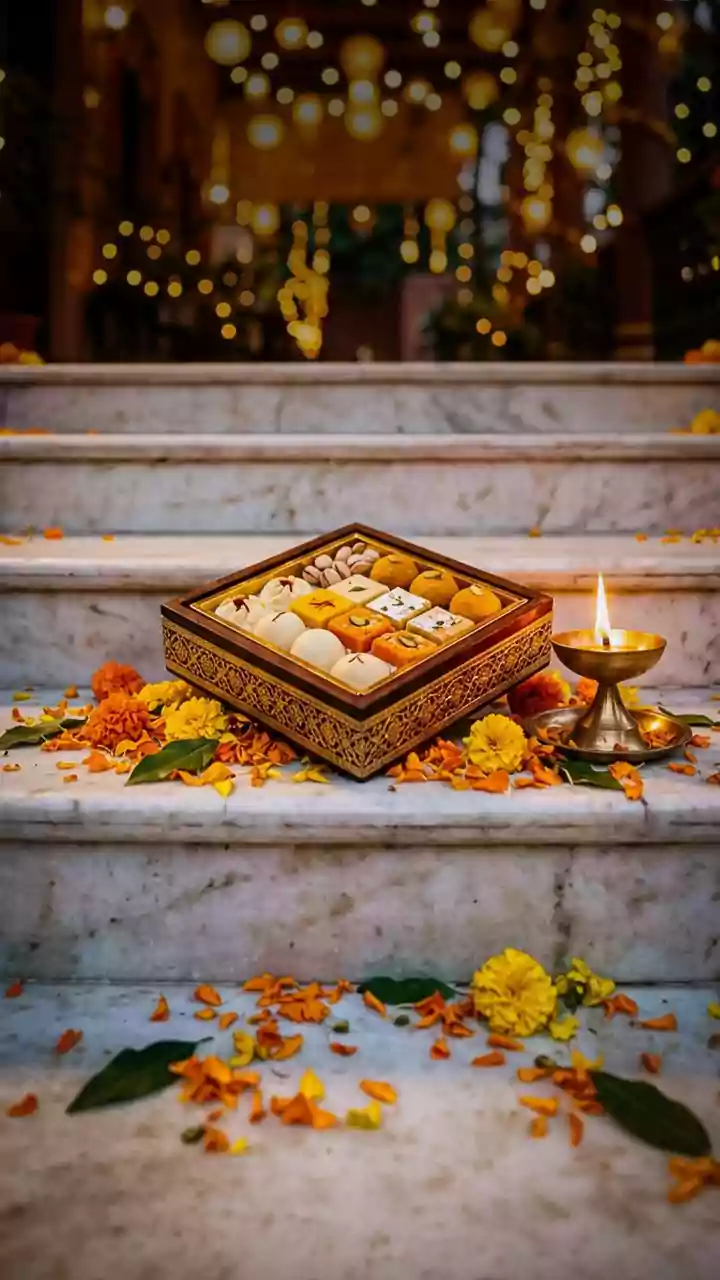
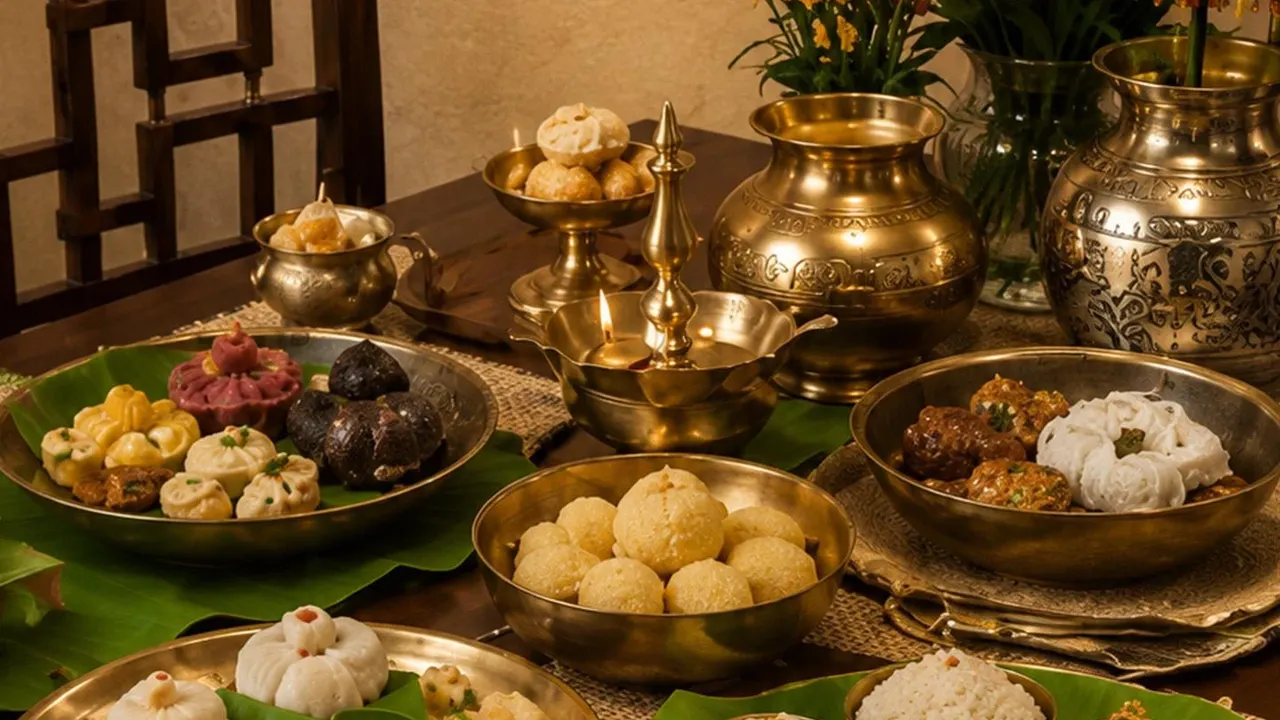
In a Bengali household during Bijoya, it is considered inauspicious for a guest to leave without having 'mishti-mukh'—tasting something sweet or savoury. This philosophy ensures that every home is prepared with an array of homemade snacks, ready to welcome visitors at any time. The spread is more than just sustenance; it’s a language of love, effort, and warmth. While store-bought sweets have become common, the tradition of preparing snacks at home persists, evoking nostalgia and a sense of authenticity. This period is a testament to Bengali hospitality, where the kitchen becomes the centre of festive joy, producing treats that are both comforting and celebratory.
Ghugni: The Humble Centrepiece
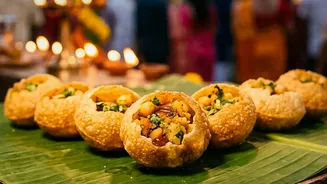
Among the pantheon of Bijoya snacks, Ghugni holds a special, unassuming place. Ghugni is a hearty, gently spiced curry made from dried white or yellow peas, known as motor. It’s a dish that beautifully straddles the line between a simple snack and a fulfilling meal. Its preparation involves soaking the peas, boiling them until tender but not mushy, and then simmering them in a flavourful gravy often featuring ginger, cumin, and Bengali garam masala. Its texture is delightfully slurpy, neither too watery nor too thick. What makes Ghugni so perfect for Bijoya is its practicality. It can be made in large batches, caters to vegetarians, and is loved by all ages, making it the ideal dish for hosting an unpredictable stream of guests. It's a poor man's protein and a rich man's snack, found everywhere from roadside stalls to festive dining tables.
More Than Just a Dish
The significance of Ghugni extends far beyond its ingredients. It represents a form of hospitality that is generous without being ostentatious. A bowl of Ghugni, often garnished with freshly chopped onions, green chillies, coriander, and perhaps a squeeze of lime, is a symbol of heartfelt welcome. It evokes a sense of comfort and belonging, a taste of home that is universally cherished across Bengal. Served with fluffy luchis (deep-fried bread) or simply on its own, Ghugni is a culinary constant, a reliable and beloved presence during the festivities. Its simplicity is its strength, proving that the most memorable gestures of hospitality are often the most sincere and unpretentious ones.
A Symphony of Savoury and Sweet
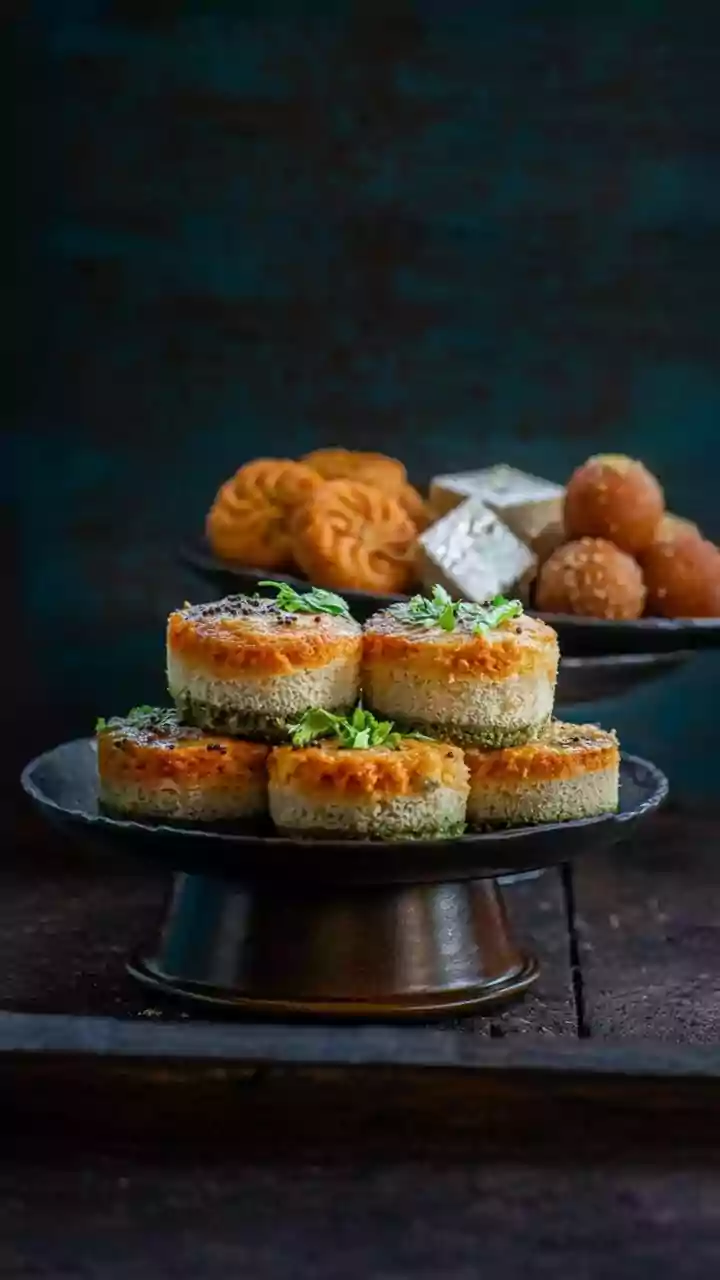
While Ghugni may be the star, it is always accompanied by a chorus of other delicious snacks. No Bijoya spread is complete without Nimki, a salty, diamond-shaped, deep-fried cracker seasoned with nigella seeds that provides the perfect crunch. These come in various shapes and sizes, from the small 'kucho nimki' to the layered 'elo jhelo nimki'. On the sweeter side, Narkel Naru, delectable spheres made from coconut and jaggery, are an absolute essential. Other sweets like Roshogolla and Pantua are also staples, ensuring a balance of flavours. Together, these savouries and sweets create a tapestry of taste and texture that defines the culinary landscape of Bijoya gatherings.