




The New Digital Beauty Counter
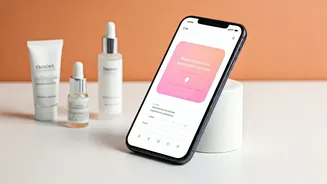
The single biggest driver of this change is the smartphone. E-commerce platforms like Nykaa, Flipkart, and Amazon have effectively democratised access to beauty. [7] A decade ago, a consumer in a Tier-2 or Tier-3 city had limited choices, often restricted
to legacy brands at a local store. [7] Today, they can browse thousands of products, from international bestsellers to homegrown direct-to-consumer (D2C) startups. Recent reports highlight this dramatic shift; Flipkart, for instance, noted that two in three beauty-related searches on its platform originate from non-metro markets. [4, 21] This surge is not just about access but also about speed. The rise of quick commerce means products are delivered within hours or a day, making online shopping as immediate as a trip to the store. [2] This digital infrastructure didn't just meet existing demand; it created a new, vast, and eager market. [7]
From Follow to Purchase: The Influencer Effect
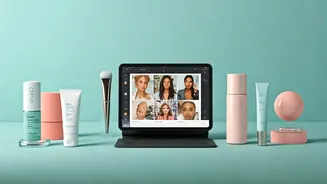
Alongside e-commerce, social media has become the new beauty school. Skincare influencers, or 'skinfluencers', are demystifying complex topics like chemical exfoliants, vitamin C serums, and the importance of a healthy skin barrier for millions of followers. [22] Creators from all over the country, sometimes broadcasting in regional languages, explain ingredients, review products, and share routines, making skincare feel accessible and relatable. [24] Their content serves as the first point of discovery for many consumers who are now more informed and discerning. [24] This creator-led ecosystem is particularly powerful in non-metro regions, with one report noting that over 70% of creator-led purchases on Amazon originated from outside major cities. [24] Brands have taken note, collaborating with a diverse range of influencers to build trust and reach new demographics. [12]
Beyond a Single Cream
The nature of demand has also evolved significantly. The conversation has moved far beyond a simple fairness cream to a more nuanced, multi-step approach to skin health, often called "stepification". [14] Consumers in smaller towns are now actively searching for products based on specific ingredients like niacinamide, salicylic acid, and hyaluronic acid. [14] This ingredient-led boom is also evident in the men's grooming category, which has seen explosive growth with high search volumes for products like "sunscreen for men" and "face serum for men". [4] This indicates a deeper engagement with personal wellness, where skincare is viewed as a form of daily self-care and identity expression, rather than an occasional indulgence. [17, 20]
Aspirations Meet Accessibility
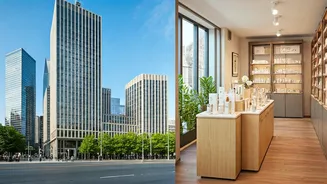
This trend is underpinned by rising disposable incomes and a growing, aspirational middle class across India. [20] Consumers in Tier-2 and Tier-3 cities are just as exposed to global trends and are eager to invest in their personal well-being. [13, 20] While they remain value-conscious, they are no longer willing to settle for substandard products. [13] This has created a fertile ground for both affordable D2C brands, which get a bulk of their traffic from these cities, and premium brands looking to expand their footprint. [10, 20] Many international luxury brands are now opening physical stores in cities like Lucknow, Indore, Chandigarh, and Kochi, recognising the untapped potential and affluence in these emerging markets. [9]