




More Than Just a Fruit Market
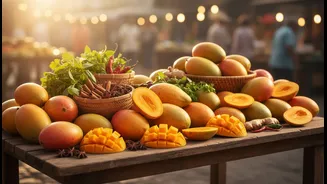
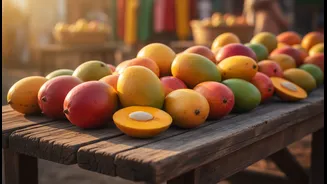
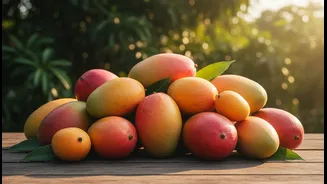
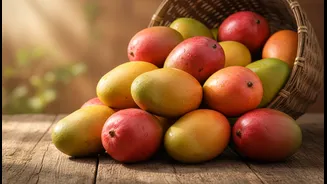
Step into a mango festival, and you enter a world of sensory overload. From the International Mango Festival in Delhi to smaller regional melas in Gujarat, Uttar Pradesh, and West Bengal, the air is thick with the sweet fragrance of ripe mangoes. These
events are a feast for the eyes and the palate, showcasing hundreds of varieties of the fruit, many of which never appear in commercial supermarkets. Visitors can participate in mango tasting sessions, watch culinary contests, and enjoy cultural performances. These festivals are not just a market; they are a vibrant celebration of India's agricultural heritage and the deep connection between the land and its people.
A Living Library of Flavours
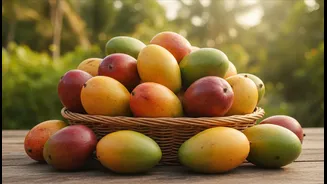
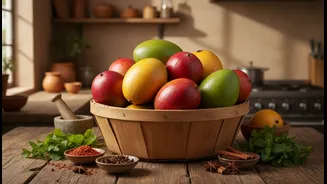
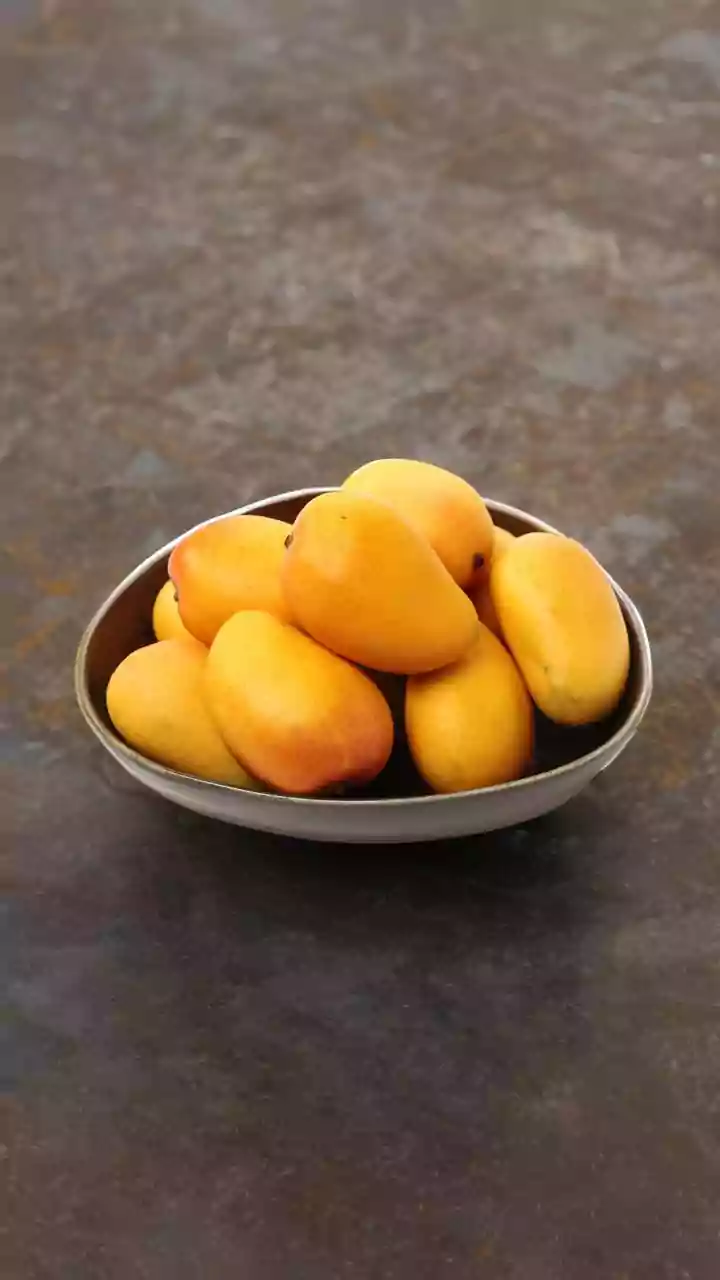
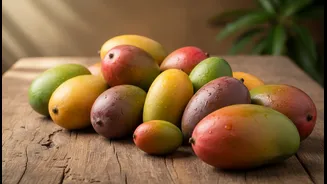
India is home to over a thousand varieties of mango, but many of these are at risk of disappearing due to the dominance of a few commercially popular types. Mango festivals serve as crucial platforms for food biodiversity by creating a space for what are known as 'custodian farmers'. These farmers, often for generations, have maintained orchards with dozens of heirloom or traditional varieties. Festivals allow them to showcase and sell these unique mangoes, from the sweet Gulabkhas and Sunehri to the distinct Husnara. By providing a marketplace and generating interest, these events give farmers an incentive to continue cultivating these less common varieties, effectively creating a living library of fruit diversity and preserving a vital part of India's genetic and culinary heritage.
From the Farm to Your Hands
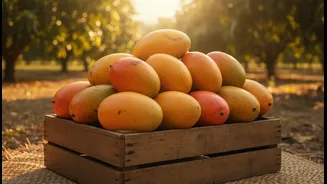
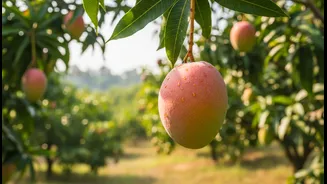
For smallholder farmers, mango cultivation can be a precarious livelihood, often hampered by pests, climate challenges, and limited market access. Mango festivals provide a powerful economic boost by connecting growers directly with consumers. This direct-to-consumer model allows farmers to bypass middlemen, secure better prices, and gain immediate feedback on their produce. It's a transparent system that increases their income and reduces the financial risks associated with agriculture. According to organizers and farmers, this increased visibility and direct sales opportunity is a significant driver for their participation, making the festival a vital part of their annual economic cycle.
The Sweetest Kind of Travel
Mango festivals have also become a significant driver of regional travel and agritourism. Events held in places like Ratnagiri for Alphonso, Junagadh for Kesar, and Malihabad for Dussehri draw visitors from across the country and even internationally. This influx of tourists, or 'mango tourism', stimulates local economies far beyond the festival grounds. Visitors stay in local accommodation, eat at local restaurants, and often participate in orchard tours, creating a multiplier effect that supports a wide range of businesses in rural areas. These festivals offer a unique reason to explore parts of the country that might otherwise be overlooked, providing an authentic cultural and culinary experience that connects urban consumers with their rural roots.