



The Price of Modern Wellness
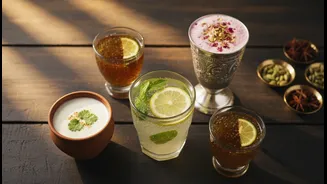
The modern wellness market is a masterclass in branding. It sells beautifully packaged functional beverages, prebiotic sodas, and adaptogen-infused waters that promise everything from stress relief to a metabolic boost. These drinks often come with a hefty
price tag, reflecting not just their ingredients, but the significant marketing and branding costs involved. Consumers are paying for the promise of a quick fix in a bottle, a convenient shortcut to health. However, many of these drinks are largely unregulated, and their health claims can be hard to verify. Furthermore, they can contain hidden sugars, artificial sweeteners, or excessive amounts of certain ingredients like fiber that can cause digestive upset.
Meet Sattu: The Original Superfood
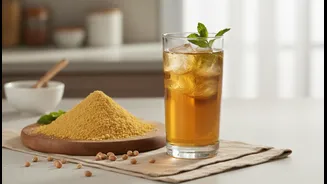
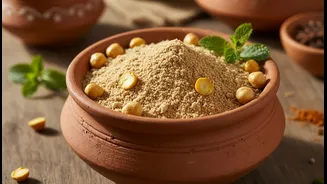
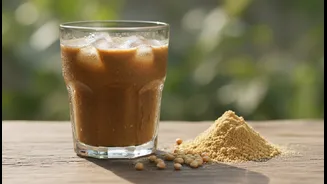
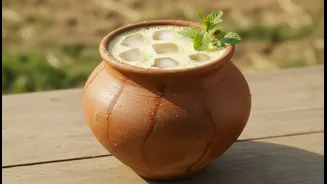
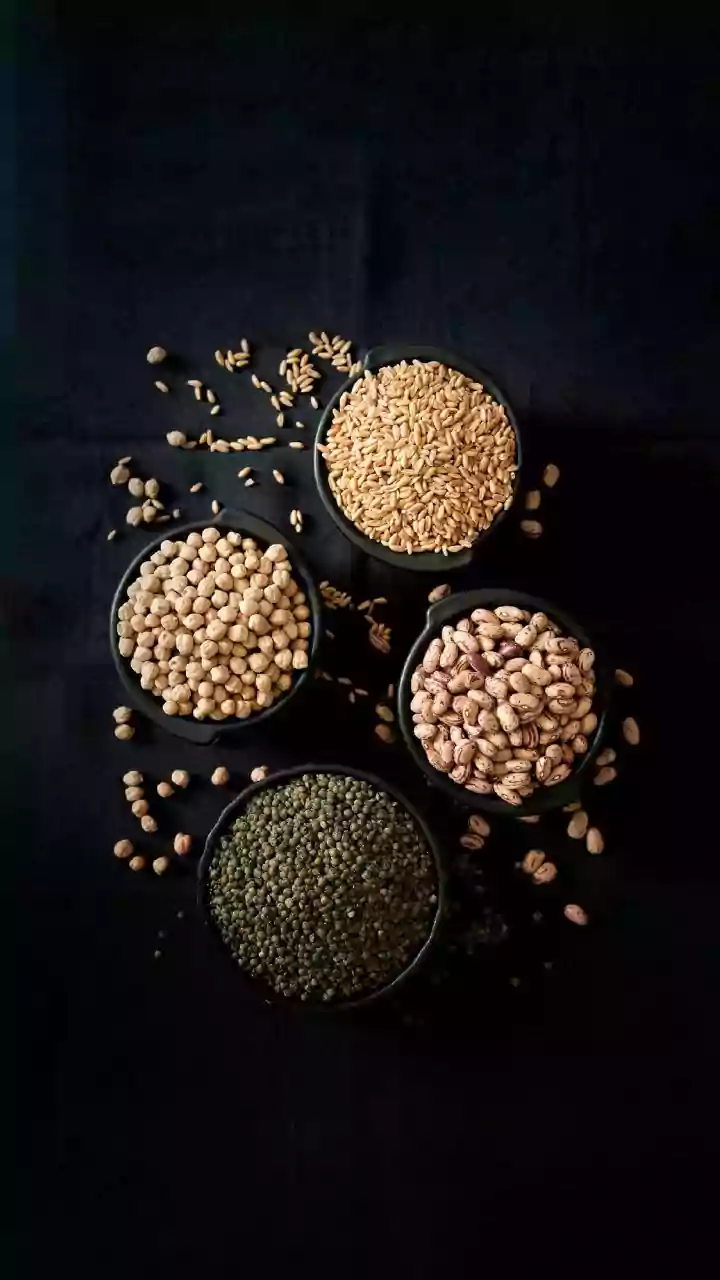
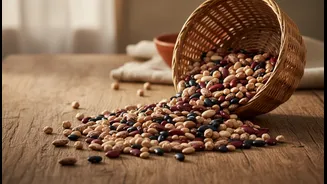
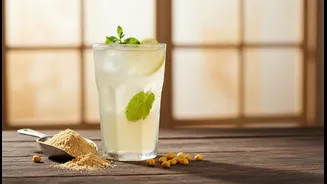
Now, let’s turn to sattu. A staple flour in states like Bihar, Uttar Pradesh, and Jharkhand, sattu is made from roasted gram (chana) or barley. It’s not a new trend; it’s a time-honored food that has nourished generations. Often called a 'poor man's protein,' this humble powder is a nutritional powerhouse hiding in plain sight. It’s consumed in various forms, but its most popular and refreshing avatar is the sattu sharbat—a simple drink that has been India's go-to summer cooler for centuries, celebrated for its ability to hydrate and energize.
A Nutritional Knockout
When you compare the nutritional profiles, sattu more than holds its own. A 100-gram serving packs around 20-25 grams of high-quality plant-based protein, making it an excellent source for vegetarians and vegans. It’s also incredibly rich in dietary fiber, with about 18 grams per 100g, which aids digestion, promotes a feeling of fullness, and helps manage weight. Unlike sugary energy drinks that cause a crash, sattu provides sustained energy thanks to its complex carbohydrates. It also boasts a low glycemic index, making it a safe and beneficial choice for those managing blood sugar levels.
Value That Can't Be Beaten
This is where sattu truly outshines its modern competitors. A single glass of a commercial 'wellness' drink can cost anywhere from a little to a lot. In contrast, a packet of sattu is incredibly affordable and can yield dozens of servings. The cost per glass for a homemade sattu sharbat is a tiny fraction of what you'd pay for a bottled beverage. You are paying for a single, pure ingredient, not for slick marketing, complex supply chains, or celebrity endorsements. This makes it an accessible and democratic form of nutrition, available to everyone regardless of their budget.
Clean, Natural, and Versatile
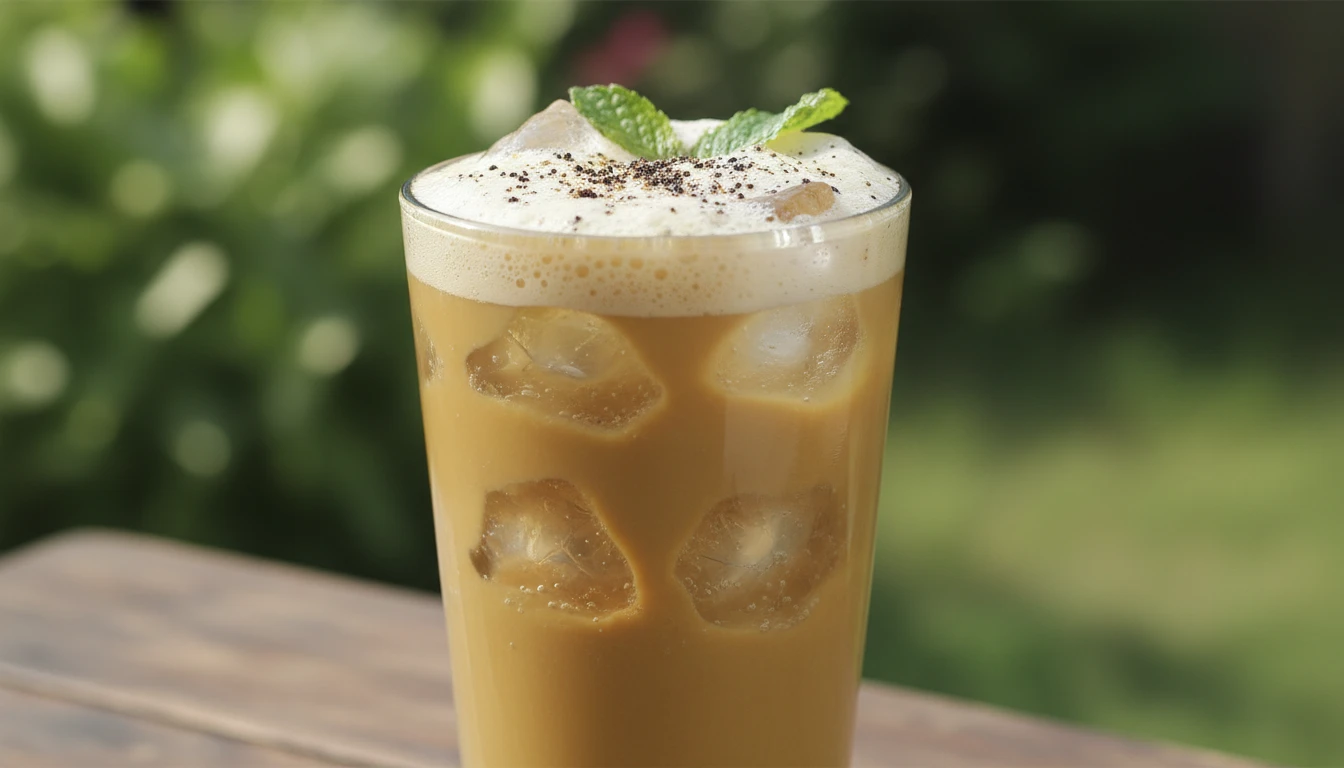
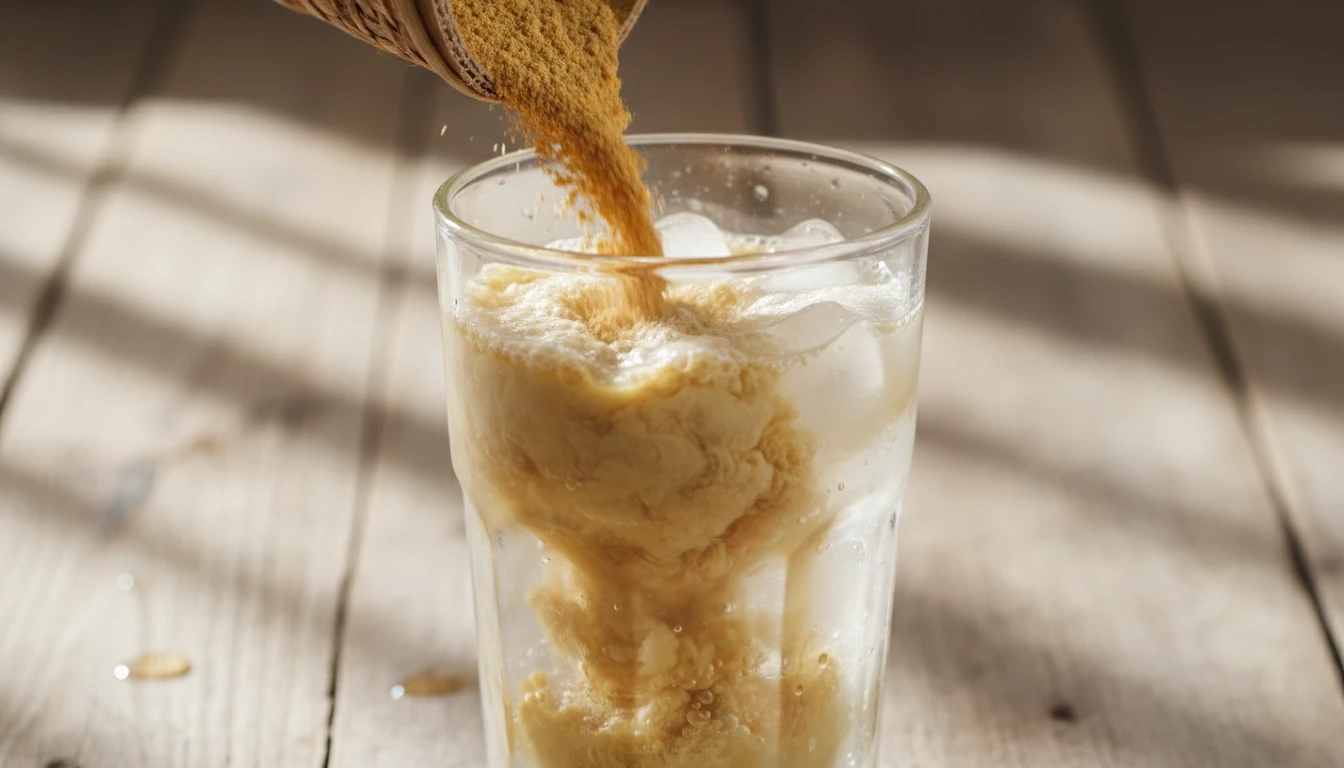
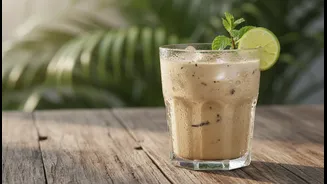
The beauty of sattu lies in its simplicity. It's a whole food, free from the preservatives, artificial flavors, and refined sugars that are often found in commercial drinks. You control exactly what goes into your glass. You can make a sweet version (meetha) with jaggery and a hint of lemon, or a savory one (namkeen) with black salt, roasted cumin, and mint. This versatility means you can tailor it to your taste and health needs, whether you want a post-workout recovery drink, a filling breakfast shake, or a simple hydrator on a hot day.
The Perfect Summer Cooler
Sattu is renowned for its natural cooling properties. During India's scorching summers, a chilled glass of sattu sharbat is more than just a drink; it's a traditional remedy to prevent heatstroke and dehydration. It replenishes electrolytes lost through sweat and helps maintain the body's fluid balance. While sports drinks are often loaded with sodium and sugar, sattu provides hydration and essential minerals like iron, magnesium, and potassium naturally, which support overall well-being and combat fatigue.