





Mistake 1: Choosing a Risky Destination
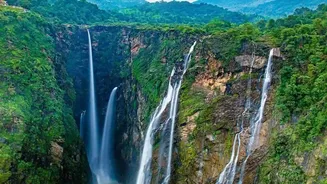
The biggest error is assuming all destinations are equal in the monsoon. Many popular spots, especially in the high Himalayas and parts of the Western Ghats, become prone to landslides, flash floods, and road closures. Regions like Himachal Pradesh, Uttarakhand,
and parts of Kerala like Wayanad and Munnar can be hazardous during heavy rains. A costly mistake is not just losing money on bookings, but risking your safety. Instead of high-risk mountain routes, consider safer alternatives like Lonavala, Mahabaleshwar, Coorg, or the backwaters of Kerala in areas with better infrastructure. Always check local advisories and recent weather patterns before booking.
Mistake 2: Neglecting Your Vehicle
For those planning a road trip, assuming your car is ready for the monsoon is a serious gamble. Wet roads demand peak vehicle performance. A critical pre-trip check involves inspecting your tyres for adequate tread depth (at least 3mm is recommended for safety), checking the brakes, and ensuring your wiper blades are new and effective. Old, hardened wipers that leave streaks can dangerously impair visibility in a downpour. Also, ensure your headlights, tail lights, and defogger are working perfectly. Driving through waterlogged streets is a huge risk that can lead to engine failure, a repair that can cost a fortune.
Mistake 3: Packing the Wrong Gear
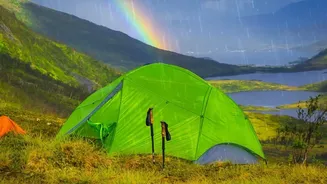
Thinking you can get by with your usual travel wardrobe is a recipe for discomfort. Cotton and denim are poor choices as they absorb water and take ages to dry. The smart traveller packs lightweight, quick-drying clothes made from synthetic fabrics like polyester. Essential gear includes a reliable raincoat or poncho, waterproof footwear with good grip to handle slippery surfaces, and extra pairs of socks. Another costly error is failing to protect your electronics. Waterproof bags or pouches for your phone, camera, and documents are non-negotiable to prevent expensive water damage. A power bank is also crucial, as power cuts can be common.
Mistake 4: Overlooking Health Precautions
The monsoon is a prime season for waterborne diseases and mosquito-borne illnesses like dengue and malaria. A frequent mistake is consuming street food or water from unreliable sources. To stay healthy, drink only bottled or purified water and eat freshly prepared food from hygienic places. Carrying a potent insect repellent is essential. It's also wise to pack a first-aid kit with basic medicines for common ailments like stomach upsets, pain relievers, and antiseptics. Being sick on vacation is a miserable and costly experience you can easily avoid with these simple steps.
Mistake 5: Having an Inflexible Itinerary
Monsoon weather is famously unpredictable. Treating heavy rain as a minor inconvenience and sticking to a rigid schedule is a mistake that can derail your entire trip. A flight might get delayed, a road could be blocked by a landslide, or a ferry service could be suspended. The key is to build flexibility into your plan. Keep buffer days in your itinerary to account for potential delays. Avoid packing your schedule too tightly. It’s also wise to book refundable or flexible accommodation and transport where possible, giving you the freedom to change plans if weather conditions worsen.
Mistake 6: Driving Recklessly on Wet Roads
Even with a well-prepped car, changing your driving style for monsoon conditions is vital. Roads become slippery, reducing tyre grip, and visibility can drop to near-zero in a heavy downpour. A dangerous mistake is driving at normal speeds, tailgating, or braking harshly. Increase your following distance to allow for longer braking times. Avoid driving at night during heavy rain if possible. Never attempt to drive through a waterlogged road unless you are certain of its depth, as it can stall your vehicle and cause severe engine damage. If you're not confident, hiring a local driver who knows the terrain and safe routes is a much safer bet.