



Beyond the Postcard View
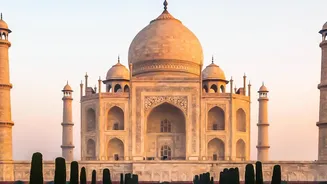
For decades, tourism in India was defined by its iconic landmarks. While the Taj Mahal and the forts of Rajasthan remain powerful draws, a new narrative is taking shape. Today’s travellers, particularly a burgeoning domestic market, are no longer content
with just a photo opportunity. They are seeking experiences that resonate on a personal level, moving from passive sightseeing to active participation. This evolution is driven by a desire for authenticity and a deeper connection with the places they visit. Instead of just seeing a destination, the goal is to feel it, whether through a homestay in a remote village or a hands-on craft workshop. This pivot is transforming not just itineraries, but the very definition of a successful trip.
The Rise of Wellness and Spiritual Journeys
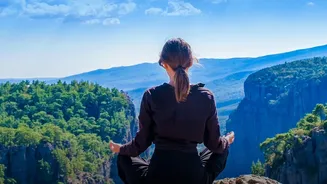
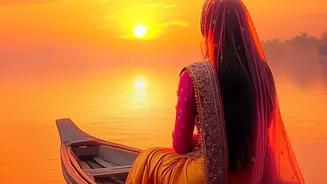
One of the most significant trends is the boom in wellness and spiritual tourism. Faced with the pressures of modern urban life, more Indians are turning their holidays into opportunities to reset and rejuvenate. This goes far beyond a simple spa day. Destinations like Kerala, with its Ayurvedic traditions, and Rishikesh, the global capital of yoga, are seeing a surge in visitors who come for structured wellness programs. Simultaneously, spiritual tourism is attracting a younger demographic than ever before. Cities like Varanasi and Puri are experiencing record footfalls, driven by a post-pandemic search for inner peace and meaning. The Indian wellness tourism market, valued at nearly USD 31 billion in 2026, is a testament to this profound shift toward travel that nurtures the mind and body.
Answering the Call of the Wild
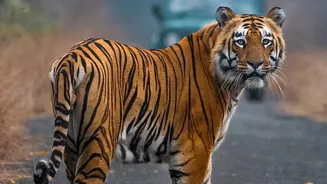
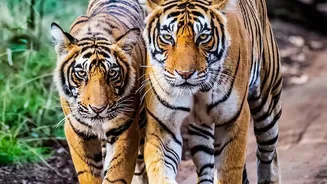
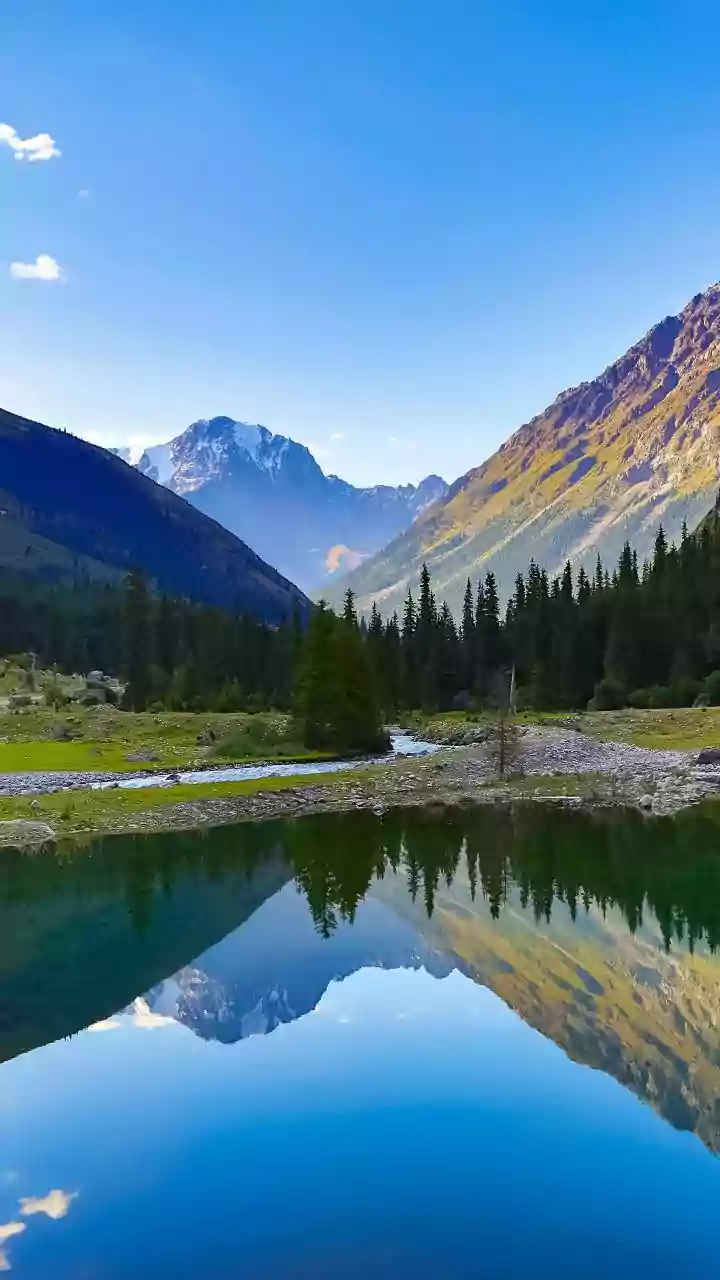
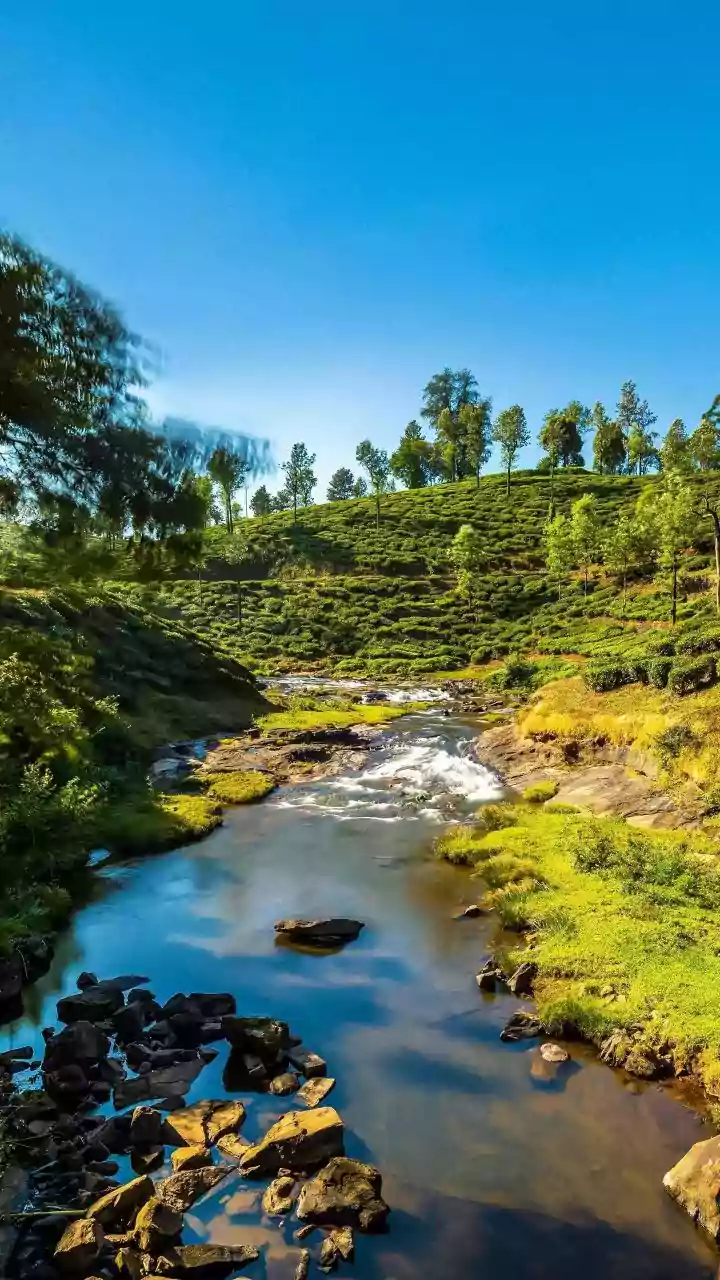
Alongside the journey inward is a parallel movement outward, into nature. Eco-tourism and sustainable travel are gaining serious momentum across the country. Travellers are actively seeking out destinations that offer pristine landscapes and a minimal environmental footprint. From the organic farms of Sikkim, India’s first fully organic state, to the responsible wildlife lodges near national parks like Ranthambore, there is a growing appreciation for conservation and nature-based experiences. This trend is fueled by a desire to disconnect from digital life and reconnect with the natural world. A recent survey noted that 93 percent of Indian travellers plan trips that minimize environmental impact, choosing to walk, bike, or use public transport where possible. This reflects a conscious choice to travel more slowly and more mindfully.
Authenticity Is the New Luxury
The search for meaning, wellness, and nature all points to a larger theme: a hunger for authenticity. The modern Indian traveller is increasingly bypassing standardized hotels in favour of experiences that offer a genuine cultural exchange. This has led to the rise of rural tourism, community-owned homestays, and immersive local activities. Research shows that 95 percent of Indian travellers now seek out cultural exchange through local tours and activities. This shift creates a win-win scenario, providing travellers with more memorable journeys while ensuring that tourism revenue directly benefits local communities and supports the preservation of cultural heritage. It signals that the new luxury in Indian travel is not about opulence, but about rare, authentic, and meaningful experiences.