



So, What Exactly Is Japandi?
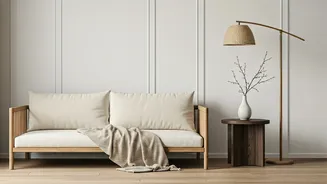
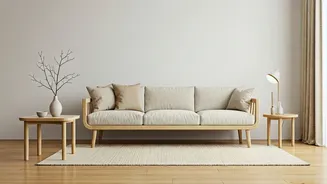
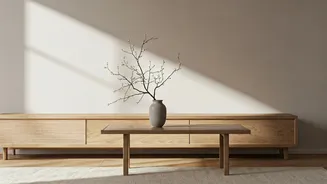
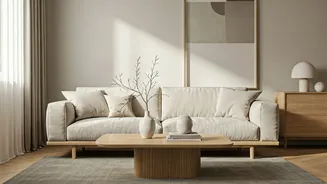
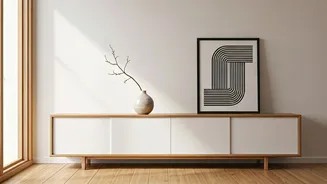
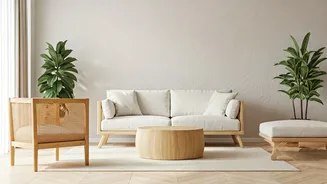
Japandi is the design lovechild of Japanese and Scandinavian aesthetics. It’s a hybrid style that marries the modern-rustic appeal of Scandinavian design with the timeless elegance of the Japanese approach. Think of it as a perfect fusion: from Japan,
it takes the 'wabi-sabi' philosophy—finding beauty in imperfection, and an appreciation for craftsmanship and natural materials. From Scandinavia, it borrows 'hygge' (pronounced 'hoo-ga')—the concept of creating a warm, cosy, and comfortable atmosphere that promotes contentment. The result is a style that is minimalist yet warm, functional yet soulful. It’s not about stark, empty rooms, but about creating an uncluttered, organised, and calming sanctuary that feels deeply personal and connected to nature.
Why Now? The Appeal of Intentional Calm
The explosion of Japandi on social media isn't a coincidence. In a world that often feels chaotic and overwhelming, our homes have become our primary sanctuaries. This trend speaks directly to a collective craving for peace, simplicity, and order. Unlike cold, clinical minimalism, Japandi feels inviting and liveable. The Scandinavian influence ensures comfort and functionality are at the forefront, while the Japanese principles encourage a more mindful approach to consumption. It's about choosing fewer, better things that have meaning and will stand the test of time. This focus on intentionality and sustainability resonates deeply with a generation looking to create spaces that support their well-being, moving away from fast-fashion-style decor and towards more permanent, thoughtful choices.
The Colour Palette: Warm and Earthy
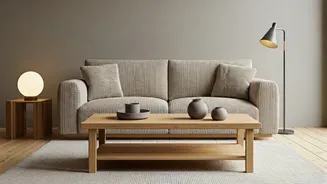
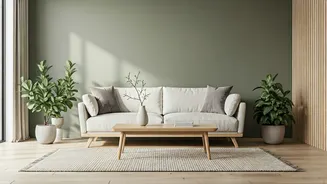
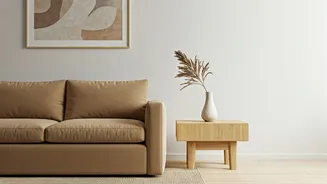
Forget the stark whites of pure minimalism. The Japandi colour palette is warm, muted, and drawn from nature. The foundation is often a range of neutral tones like oatmeal, beige, cream, and stone grey. These are complemented by the rich, contrasting colours common in Japanese design. Think deep charcoal grey, indigo blue, or even muted, earthy greens. The key is to create a serene backdrop that allows the textures and forms within the room to shine. Accent colours are used sparingly and are typically subtle, ensuring the overall feeling remains tranquil and harmonious. This palette creates a soothing environment that feels both sophisticated and grounded.
Materials: A Dialogue Between Light and Dark
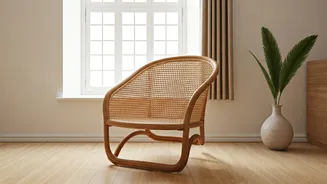
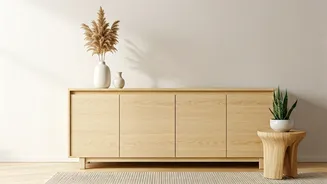
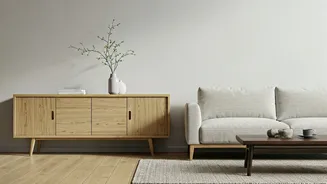
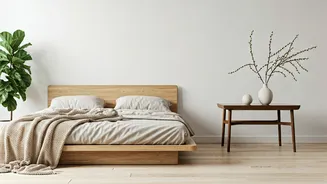
Texture is where the Japandi style truly comes to life. The style champions natural, sustainable materials. Scandinavian design brings light-coloured woods like oak, maple, and birch, often used for flooring and furniture. Japanese design introduces darker woods like walnut or stained bamboo, creating a beautiful contrast. This interplay between light and dark is a hallmark of the style. Beyond wood, you'll find an abundance of other natural materials. Think furniture made from rattan or cane, soft furnishings in linen and cotton, and decorative elements made of jute, stone, paper, and handmade ceramics. These textures add warmth and visual interest without creating clutter.
Bringing Japandi Home Without a Full Renovation
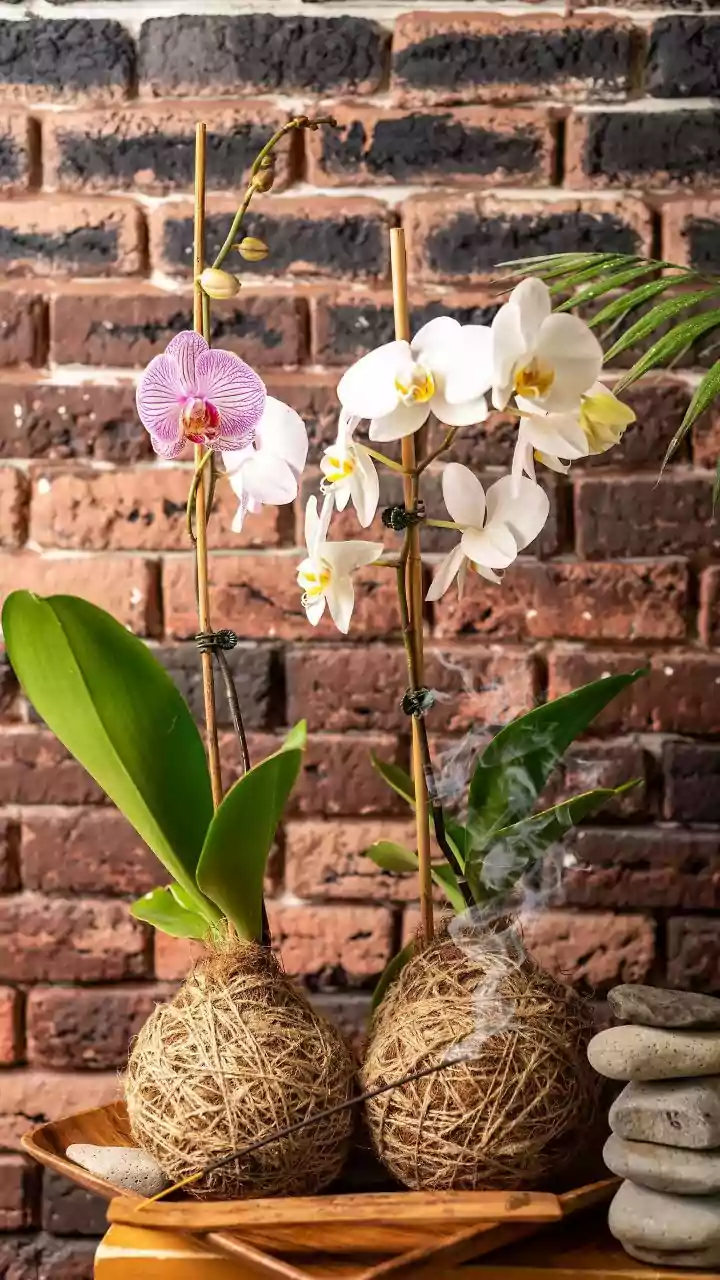
Adopting the Japandi style doesn't require a complete overhaul. You can start small by incorporating its core principles. First, declutter. This is the most crucial step. Remove anything that doesn't serve a purpose or bring you joy. Second, focus on natural textiles. Swap out synthetic fabrics for linen cushion covers, a woollen throw, or a simple jute rug. Third, add plants. Greenery is essential for bringing nature indoors, a key tenet of both design philosophies. Finally, invest in one or two high-quality, functional pieces rather than many small, disposable ones. Look for furniture with clean lines and natural wood finishes. Add an imperfect, handmade ceramic vase or bowl—a nod to wabi-sabi—to complete the look.