


The Legacy of Parsi Kitchens
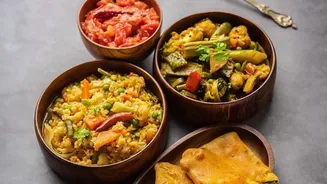
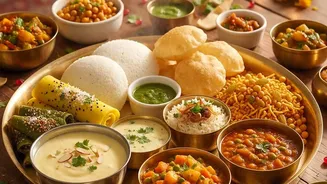
Parsi cuisine is a delicious chronicle of a journey. Originating in Persia, the community's culinary traditions migrated to India, where they absorbed the flavours of Gujarat and Maharashtra. This fusion created a unique taste profile known as 'tikhu-khatu-mithu'—a
masterful balance of spicy, sour, and sweet. Central to Parsi social life are the iconic clubs and gymkhanas of Mumbai, some established in the late 19th century. These institutions became custodians of culture, with their kitchens serving as guardians of authentic Parsi flavours, from the celebrated Dhansak to an array of egg dishes like Akuri.
Kathal: The Vegetarian's 'Meat'
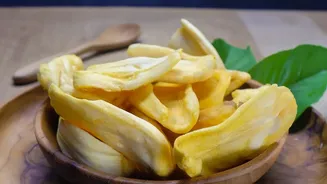
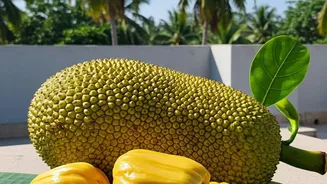
Raw jackfruit, or kathal, is a marvel of the vegetable world. Native to South Asia, its fibrous, dense texture has earned it the nickname 'vegetable meat'. When cooked, it develops a satisfying chewiness that can mimic pulled pork or shredded chicken, making it a popular choice for vegetarians and vegans seeking a hearty alternative. While it appears in various regional Indian dishes, from sabzis in the north to stir-fries in the south, preparing it can be intimidating due to its sticky, tough exterior. However, those who persevere are rewarded with a versatile ingredient that beautifully absorbs the flavours of the spices it is cooked with.
The Parsi Club Transformation
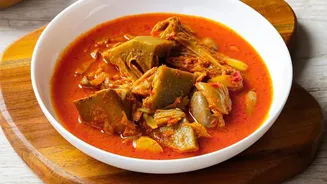
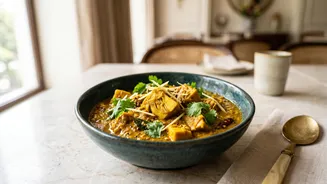
The recipe in question, reportedly sourced from a Parsi Women's Club cookbook from 1983, showcases the community's knack for elevating simple ingredients into celebratory dishes. While many Indian kathal preparations are stir-fries or simple curries, this heritage recipe treats the jackfruit with the reverence usually reserved for meat, creating a rich 'korma'. The process begins by frying the jackfruit pieces in ghee until they develop colour and texture, a crucial step to enhance their 'meaty' quality. This is a common technique used across various Indian kathal recipes to ensure the vegetable holds its shape and develops a richer flavour.
A Symphony of Spices and Creaminess
What truly sets this dish apart is its rich, velvety gravy. The foundation is built on classic Parsi aromatics: cinnamon, cardamom, and cloves sizzled in ghee, followed by onions and ginger-garlic paste. But the secret to its luxuriousness lies in a paste made from chironji (or cashews) and poppy seeds, which is blended into beaten curd. This mixture is added towards the end of the cooking process, creating a creamy, nutty, and tangy sauce that clings to the tender jackfruit pieces. This use of nuts and curd to create a decadent gravy is a hallmark of korma-style preparations, turning a simple vegetable curry into a dish worthy of a special occasion.