



What is the 'Tower Catch' Strategy?
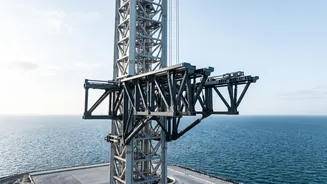
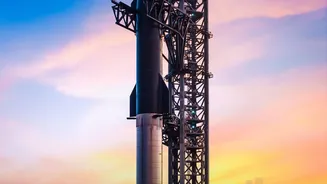
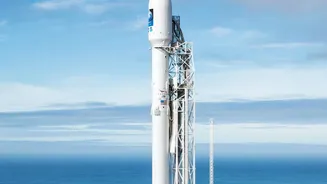
At the heart of SpaceX’s plan is a 480-foot launch and integration tower nicknamed 'Mechazilla'. This structure serves not only to stack the Starship spacecraft onto its Super Heavy booster but also to recover them after flight. The tower is equipped
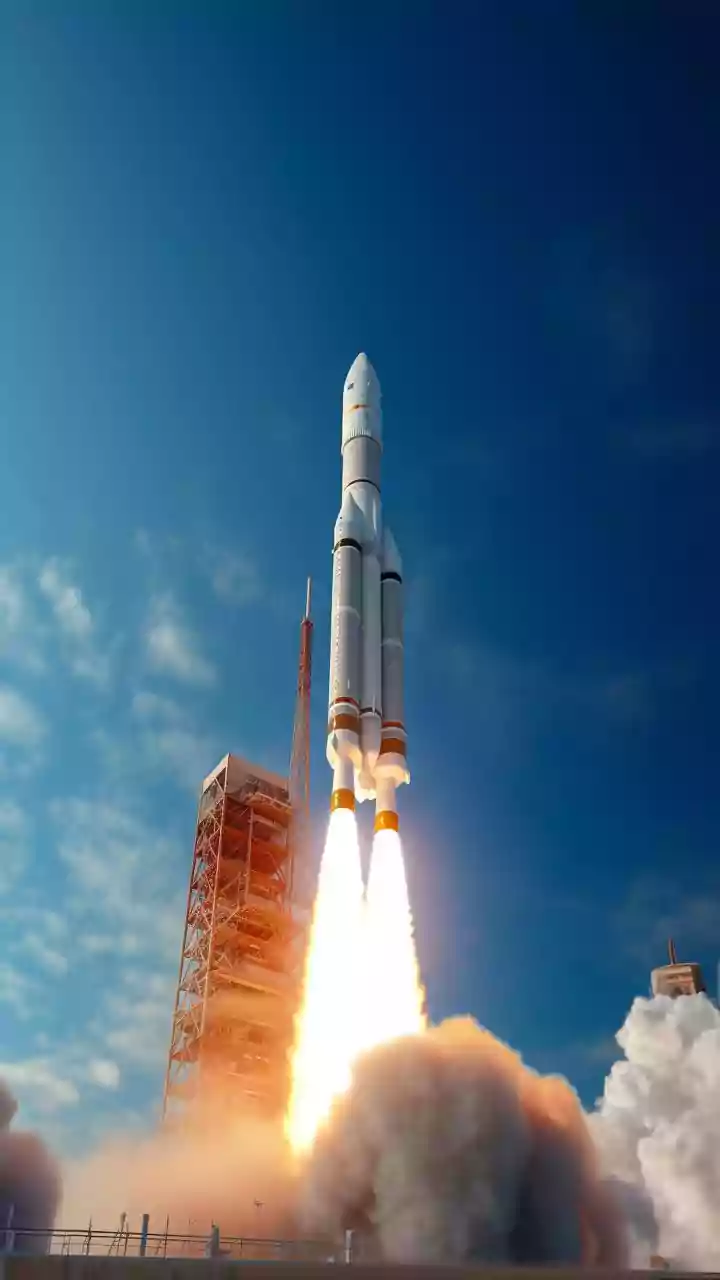
with two large arms, often called 'chopsticks', that can move up and down. The concept is as audacious as it sounds: as the Super Heavy booster returns from its mission, it will hover beside the tower, and the arms will close in to grab it at reinforced points near its grid fins, lifting it back onto the launch mount. This manoeuvre avoids a traditional touchdown altogether. SpaceX has already successfully caught the Super Heavy booster multiple times since the first successful attempt on October 13, 2024. The next major challenge is to perform the same feat with the Starship upper stage, which returns from orbit at much higher speeds.
The Logic of Losing the Legs
So why attempt such a complex, high-stakes catch? The primary reason is mass. On any rocket, every kilogram of structure is a kilogram that cannot be payload. Landing legs, while essential for a conventional propulsive landing like the one used by the Falcon 9, are effectively dead weight for most of the mission. They are carried all the way to stage separation, contributing nothing to the ascent. For a vehicle as massive as Starship, the weight of a robust landing gear system would be substantial, estimated to be anywhere from 5 to 10 tons. By removing the legs and integrating the catch mechanism into the ground infrastructure—where mass is not a constraint—SpaceX frees up that mass allowance. This saved weight can be directly converted into additional payload capacity, meaning more satellites, more cargo, or more propellant for deep space missions for every single launch.
More Than Just Payload: Rapid Reusability
The second major advantage is speed. SpaceX's business model for Starship relies on 'airline-like operations', with the goal of re-flying boosters and ships multiple times a day. Landing a rocket on a drone ship or even a separate landing pad involves a logistics chain of transport, recovery, and refurbishment that takes time. Catching the booster and placing it directly back onto the launch mount eliminates these steps entirely. The rocket is immediately in position for inspection, stacking with a new upper stage, and refueling. This rapid turnaround is not just about efficiency; it's a critical enabler for SpaceX's long-term ambitions, such as establishing a city on Mars. Such a mission would require numerous tanker flights to refuel a Mars-bound Starship in orbit, a feat that is only feasible with an extremely high launch cadence.
The Ultimate High-Stakes Maneuver
While the benefits are transformative, the risks are immense. Catching a multi-hundred-ton rocket requires almost unbelievable precision. The booster must navigate autonomously back to the launch site, cancel its velocity, and stabilize itself in a hover within a very small margin of error. The entire process is automated, relying on thousands of sensor data points and real-time guidance adjustments to ensure the vehicle arrives within all prescribed parameters for trajectory, velocity, and orientation. A failure could be catastrophic, potentially destroying not just the booster but also the launch tower itself, which would halt the entire launch program at that site. The system has built-in abort criteria; if the returning rocket's approach is off-nominal, it will automatically divert for a splashdown in the ocean instead of attempting the catch.
The Current State of Play
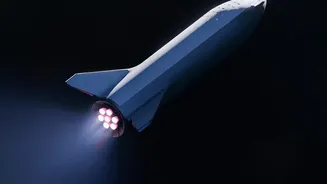
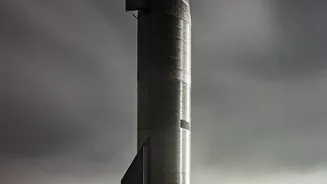
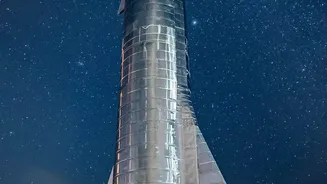
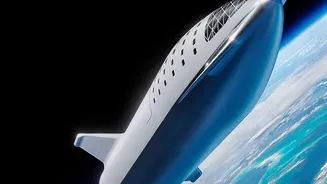
As of late 2026, SpaceX has proven the booster-catch concept works. The first successful catch of a Super Heavy booster (B12) occurred in October 2024, a milestone that rewrote the rules of reusable rocketry. Since then, the company has successfully caught boosters several more times. Attention has now shifted to the more difficult task of catching the Starship upper stage. After achieving orbit for the first time on September 28, 2026, the company is now focused on perfecting the ship's return and landing precision. Elon Musk has stated that recent landings have been accurate enough to have been caught, and that an actual catch attempt for the ship is imminent, pending data reviews from previous flights. The next attempt, slated for Starship Flight 15, could be the first to try and recover the orbital stage with the tower, a crucial step toward full and rapid reusability.