

How Yoga Actually Improves Flexibility
Flexibility isn't just about how far you can stretch; it's about the healthy range of motion in your joints. Yoga helps by targeting muscles and the connective tissues, like fascia, that wrap around them. When you hold a yoga pose, you're not just pulling
on a muscle. You're engaging in a process of active and passive stretching that, over time, signals to your nervous system that it's safe to release tension. Deep, controlled breathing, a core component of yoga, calms the mind and helps relax the muscles, allowing them to lengthen more effectively. This combination of physical postures and mindful breathing gradually increases muscle elasticity, leading to long-term gains in your overall mobility.
Consistency Is More Important Than Intensity
The secret to unlocking flexibility isn't pushing yourself into a painful pose once a week. Instead, it’s about gentle, consistent practice. A short, daily routine allows your body to adapt safely and effectively. Regular practice helps muscles, tendons, and ligaments gradually get used to new ranges of motion, making the poses feel more comfortable over time. Think of it as a conversation with your body. By showing up on the mat each day, even for just 15-20 minutes, you're building trust with your muscles and nervous system. This steady approach prevents injury and creates sustainable flexibility that supports you in all your daily movements, from tying your shoes to reaching for something on a high shelf.
Cat-Cow (Marjaryasana-Bitilasana)
This gentle, flowing movement is one of the best ways to warm up and improve the flexibility of your entire spine. It releases tension in the neck, shoulders, and back while strengthening your core muscles. Start on all fours with your wrists under your shoulders and knees under your hips. As you inhale (Cow Pose), drop your belly toward the mat and lift your chest and tailbone, gazing slightly forward. As you exhale (Cat Pose), round your spine toward the ceiling, tucking your chin to your chest. Flowing between these two poses connects your breath to your movement and promotes healthy spinal alignment.
Downward-Facing Dog (Adho Mukha Svanasana)
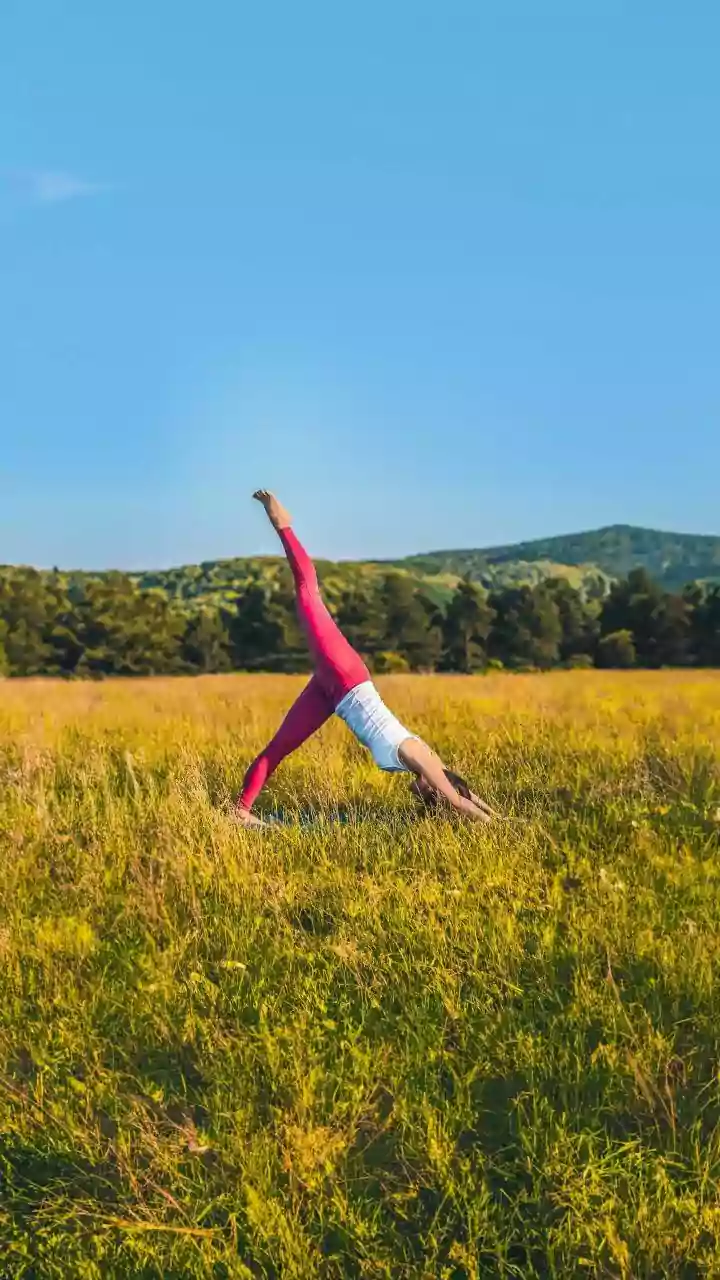
A foundational pose in yoga, Downward-Facing Dog is a full-body stretch that is especially effective for lengthening the hamstrings, calves, and spine. From your hands and knees, tuck your toes and lift your hips up and back, forming an inverted 'V' shape with your body. For beginners, it's important to bend your knees generously to keep your back straight and avoid rounding. You can 'walk your dog' by bending one knee and then the other to gently deepen the stretch in your hamstrings and calves. This pose strengthens the arms and shoulders while decompressing the spine.
Triangle Pose (Trikonasana)
Triangle Pose provides a fantastic stretch for the hips, groin, hamstrings, and the sides of your torso. Start by standing with your feet wide apart. Turn your right foot out 90 degrees and your left foot in slightly. Extend your arms parallel to the floor, then hinge at your right hip, reaching your torso over your right leg. Rest your right hand on your shin, an ankle, or a block, and extend your left arm toward the ceiling, opening your chest. This pose improves spinal mobility and strengthens the legs and core.
Seated Forward Bend (Paschimottanasana)
This pose provides a deep stretch for the entire back of your body, from your heels to your head. Sit on the floor with your legs extended straight in front of you. Inhale to lengthen your spine, and as you exhale, hinge at your hips to fold forward. Reach for your feet, ankles, or shins, wherever is comfortable without straining. A key tip for beginners is to keep a slight bend in the knees to protect the lower back and focus the stretch on the hamstrings. This posture calms the nervous system and can help relieve tension.
Bridge Pose (Setu Bandhasana)
While many flexibility poses focus on the back of the body, it's just as important to open the front. Bridge Pose stretches the chest, neck, and the front of the hips while strengthening the back, glutes, and hamstrings. Lie on your back with your knees bent and feet flat on the floor, hip-width apart. Press through your feet to lift your hips off the floor. You can roll your shoulders underneath you and clasp your hands for a deeper chest expansion. This pose helps counteract the effects of sitting and improves posture.
Pigeon Pose (Eka Pada Rajakapotasana Prep)
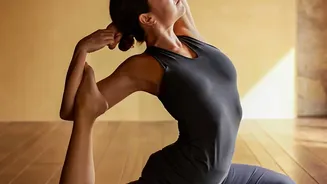
Pigeon Pose is one of the most effective hip-openers, targeting the deep muscles in the glutes and releasing tension around the hips. From all fours, bring your right knee forward toward your right wrist, angling your shin across the mat. Extend your left leg straight behind you. It's crucial to keep your hips level; beginners should place a folded blanket or a block under their right hip for support. You can stay upright or fold forward over your front leg for a deeper release. This pose is excellent for anyone who sits for long periods.