



The Concrete Trap: Why Old Defences Fail
For decades, the answer to urban growth was concrete. We built roads, buildings, and pavements, creating vast, impermeable surfaces. The logic was simple: when it rains, channel the water away as quickly as possible through drains. But climate change
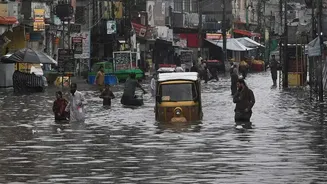
has broken this model. Rainfall is becoming more intense and erratic, overwhelming drainage systems that were never designed for such deluges. The result is predictable chaos: flash floods that bring cities like Mumbai, Delhi, and Chennai to a standstill. At the same time, these concrete jungles create 'urban heat islands'. Materials like asphalt and concrete absorb and retain the sun's heat far more than natural landscapes, causing city temperatures to be significantly higher than in surrounding rural areas. This trapped heat makes summers increasingly dangerous and life-threatening.
From Drainage to Absorption: The Sponge City Solution
Instead of fighting water, a new approach asks: what if cities could act more like a sponge? The 'Sponge City' concept is gaining traction globally and presents a viable solution for India. The idea is to move away from simply draining rainwater and instead use nature-based solutions to absorb, store, and slowly release it. This involves replacing hard, impermeable surfaces with permeable pavements that allow water to soak into the ground, recharging depleted aquifers. It also means creating more green spaces, such as rain gardens, bioswales (plant-filled drainage paths), and restoring urban lakes and wetlands. These features not only hold excess water during heavy downpours, reducing the burden on drains, but also help cool the surrounding environment. Cities from Shanghai to New York are already embracing this philosophy, and the potential for Indian cities grappling with both floods and water scarcity is immense.
Beating the Heat: Beyond Air Conditioning
Tackling extreme urban heat requires more than just energy-guzzling air conditioners. The focus is shifting to passive cooling strategies that prevent buildings and cities from overheating in the first place. One of the most effective and simplest solutions is the 'cool roof'. By using reflective paints or materials, a cool roof can reflect sunlight and absorb less heat, significantly lowering indoor temperatures and reducing the need for air conditioning. Pilot projects in Tamil Nadu have shown that cool roofs can reduce indoor temperatures by up to 5°C. Recognizing this potential, Telangana became the first state in India to launch a comprehensive Cool Roof Policy in 2023, mandating them for many new buildings. Other strategies include planting more trees to create shade and green corridors that promote airflow, further mitigating the urban heat island effect.
India's Urban Awakening
Across India, there is a growing recognition that urban planning needs to adapt. States and cities are beginning to integrate these new ideas into policy. Heat Action Plans (HAPs) are being implemented in over 100 districts, incorporating early warning systems and measures like cool roofs and cooling centres. Delhi's State Action Plan on Climate Change specifically includes measures like cool roofs, urban greening, and restoring water bodies to improve climate resilience. The national government is also promoting new building codes that encourage thermal comfort through passive design. On the flood front, while large-scale sponge city adoption is still in early stages, cities are exploring modern solutions. These range from advanced, rapidly deployable flood barriers that are more effective than sandbags to AI-powered systems that can predict flooding in real-time, as being tested in Gurugram and Vijayawada.