

Mark Your Calendar: Key Upcoming Festivals
The last quarter of 2026 is packed with major celebrations. Durga Puja, a grand five-day festival honouring Goddess Durga, will be observed with particular fervour in West Bengal and surrounding states from October 17-21. This is followed by Dussehra
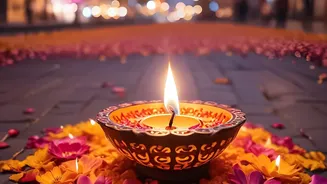
(also known as Vijayadashami) on October 20, which celebrates the victory of good over evil and sees large processions and the burning of effigies of the demon king Ravana, especially in northern India. The season culminates with Diwali, the festival of lights, celebrated nationwide. The main day falls on November 8, 2026, with festivities spanning five days from November 6-11. Cities like Jaipur, Varanasi, and Delhi are famed for their spectacular Diwali illuminations.
The Golden Rule: Book Everything in Advance
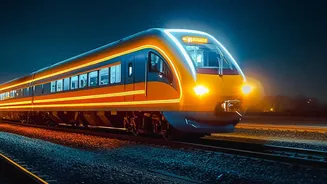
Spontaneity is a challenge during India's festival season. Travel experts advise booking flights and hotels at least three to six months ahead, as prices surge and availability plummets. The same applies to train travel, which is the backbone of Indian transport. Indian Railways' reservation window typically opens 60 days in advance, and tickets on popular routes connecting major cities with states like Uttar Pradesh and Bihar get booked within minutes. To manage the overwhelming demand, Indian Railways has announced numerous 'Festival Special' trains. These additional services are a lifeline for last-minute planners, but securing a spot still requires vigilance. Keep an eye on official announcements and be ready to book as soon as reservations open.
Navigating the Crowds and City Transport
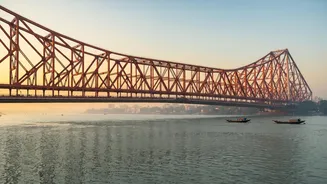
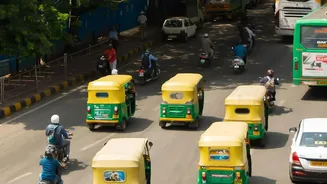
Major cities like Kolkata during Durga Puja and Delhi during Diwali become a sea of humanity. While this energy is part of the experience, it demands preparation. Expect significant road closures and traffic diversions around popular festival areas and pandals. Public transport will be extremely crowded. Using app-based ride services might be an option, but be prepared for surge pricing and longer wait times. For shorter distances, walking is often the most reliable way to get around key festival hubs. Some cities are deploying smarter crowd management techniques, using technology to monitor crowd density and prevent bottlenecks, but travellers should remain alert in packed areas. Visiting attractions early in the morning is a good strategy to avoid the largest crowds, which tend to gather later in the day.
Essential Safety and Health Tips
While soaking in the festive spirit, it's crucial to prioritize safety. In crowded places, be mindful of your belongings to prevent pickpocketing. It's advisable for solo travellers, especially women, to be extra cautious in dense crowds. Stay hydrated, and be careful with street food; opt for busy stalls where food is cooked fresh. During Diwali, be aware of the high noise levels from fireworks and consider using earplugs. If travelling with children, keep a close watch on them, especially during processions or fireworks displays. Having a local SIM card is invaluable for staying connected and accessing maps or emergency services.
Embrace the Spirit, Pack Your Patience
Travelling during India's festival season is an immersion in culture, community, and celebration. From the artistic pandals of Durga Puja to the lamp-lit ghats of Varanasi on Diwali, the sights are unforgettable. Participate where you can: sample traditional sweets, admire the decorations, and witness the rituals. However, the most important thing to pack is patience. Delays are inevitable, and plans may need to be adjusted. By embracing the flow and maintaining a positive attitude, you'll move beyond being just a tourist and truly experience the heart of Indian festivities. Remember that many shops and businesses may be closed on the main festival days, so plan your shopping and errands accordingly.