


What Exactly Are Functional Foods?
At its core, a functional food is one that provides a health benefit beyond basic nutrition. [2] While all foods provide energy and nutrients like proteins and vitamins, functional foods contain additional bioactive compounds—such as antioxidants, probiotics,
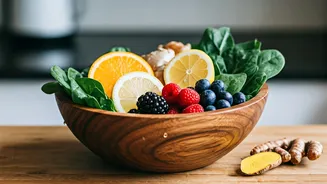
and dietary fibre—that can play a role in improving health and preventing disease. [4, 2] Think of it as the difference between eating for survival and eating for optimal well-being. This category isn't limited to exotic superfoods; it includes everything from whole foods like fruits and vegetables to items fortified with extra nutrients, like vitamin-enriched milk or probiotic dahi. [2, 9] The concept first gained official recognition in Japan in the 1980s as a way to improve public health, but the principles behind it are timeless. [6, 10]
A Return to Ayurvedic Roots
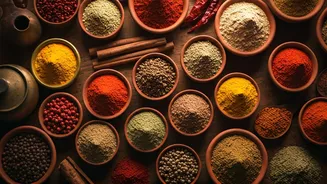
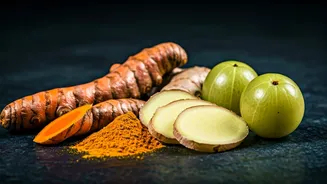
For generations, the Indian approach to food has been inherently functional. [19] Ayurveda, the ancient science of life, has always treated food as a primary tool for maintaining health and balance within the body. [20, 21] Spices like turmeric (haldi), revered for its anti-inflammatory compound curcumin, and herbs like holy basil (tulsi), known to support respiratory health, have been staples in our daily diet for centuries. [4, 19] What modern science is now validating through studies on bioactive compounds, Indian grandmothers have known for generations: that ginger aids digestion, amla boosts immunity, and fenugreek (methi) helps regulate metabolism. [4, 8] This new trend, therefore, isn't about adopting a foreign concept but rather re-embracing and understanding the profound scientific wisdom embedded in our own traditional food culture. [5, 17]
Why the Sudden Surge in Popularity?
Several factors are driving this renewed interest in functional foods across India. A growing awareness of lifestyle diseases like diabetes and heart conditions has pushed consumers towards preventive healthcare. [16] The COVID-19 pandemic, in particular, accelerated this shift, making immunity a household topic and boosting demand for foods and ingredients that support it. [3, 8] This has led to a boom in the Indian functional foods market, which is projected to grow significantly in the coming years. [7, 15] As urban consumers become more health-conscious and willing to pay for quality, brands are innovating with everything from healthy snacks and fortified staples to functional beverages, making these powerful ingredients more accessible than ever. [3, 16]
Stocking Your Modern-Yet-Traditional Kitchen
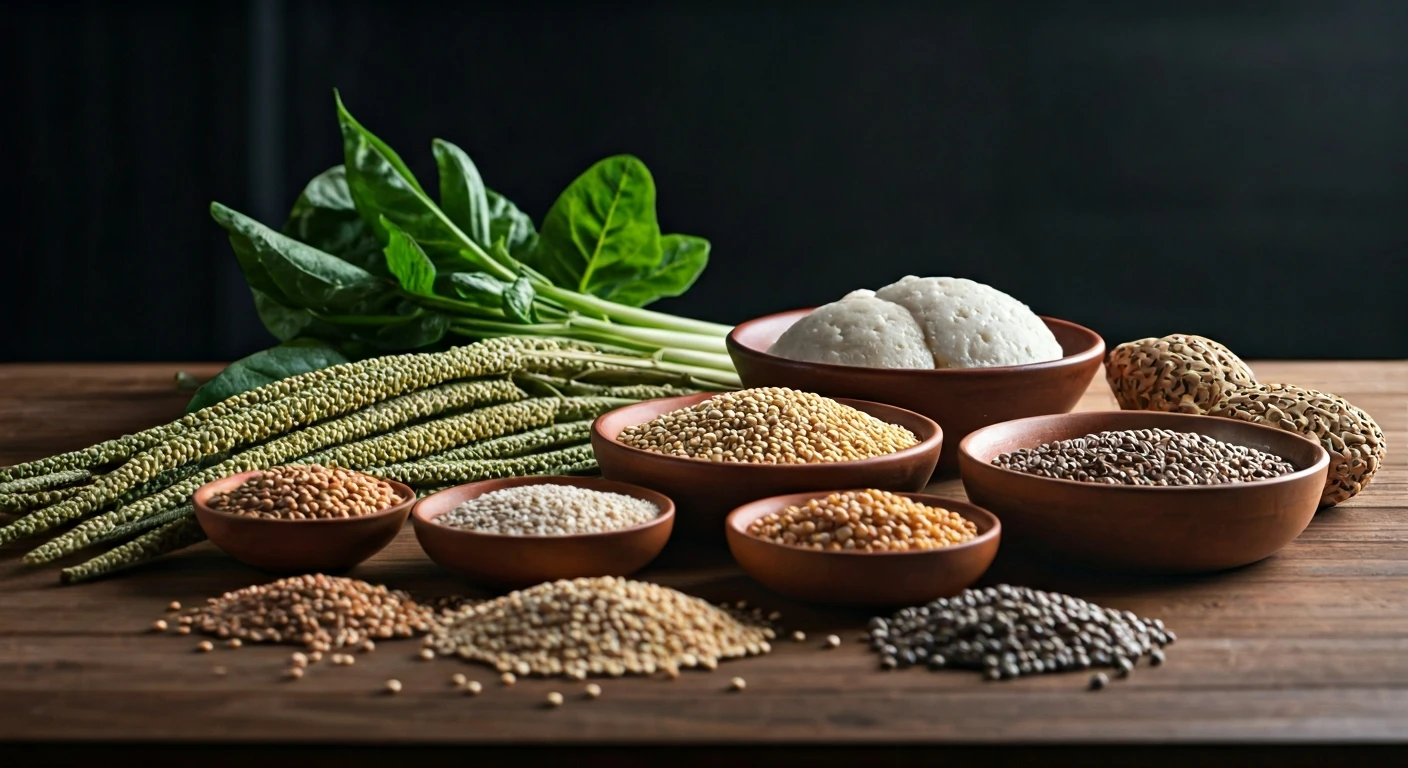
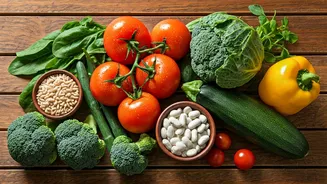
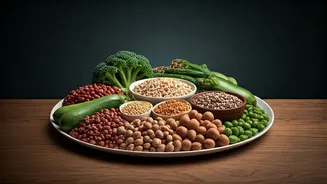
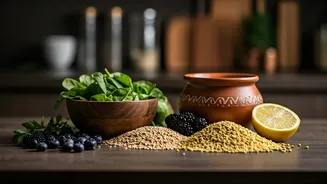
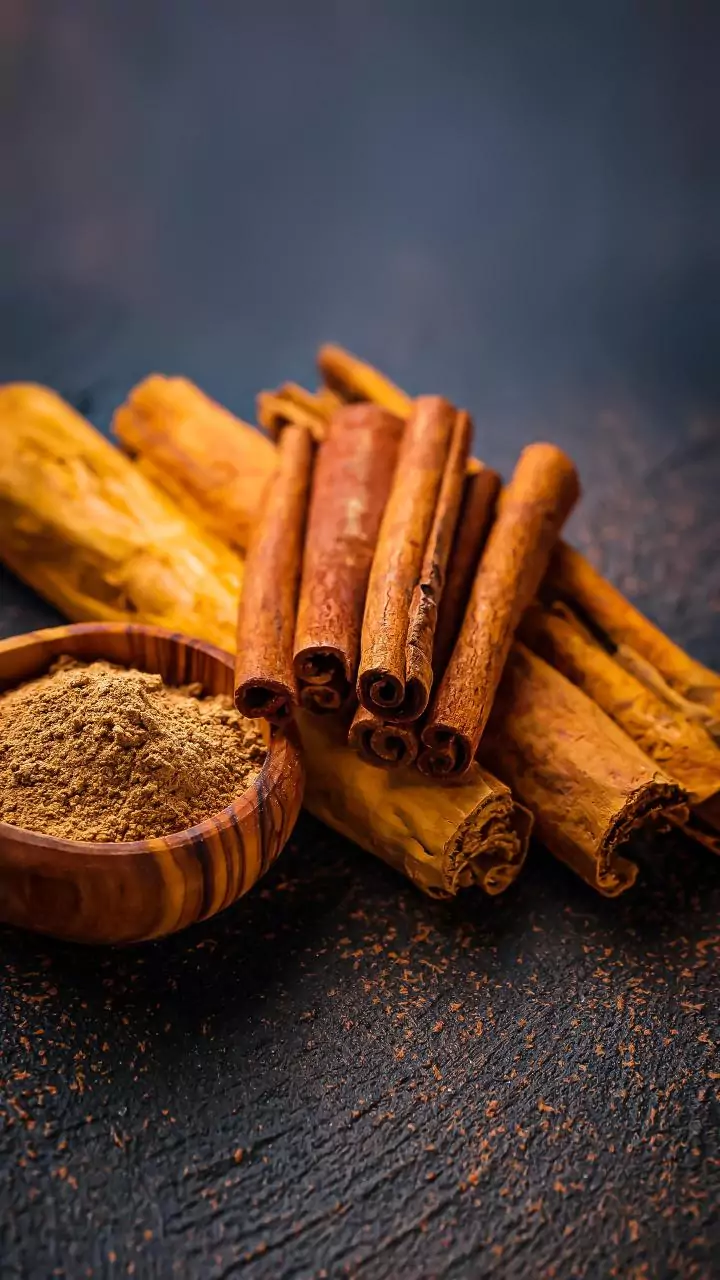
Incorporating functional foods into your diet doesn't require a trip to a specialty store. Many are already present in the typical Indian pantry. Fermented foods like dahi (curd) and idli batter are natural sources of probiotics that support gut health. [14, 18] Whole grains and millets such as ragi are packed with fibre, iron, and calcium. [4] Pulses and legumes, the foundation of dishes like dal and rajma, are rich in fibre and prebiotics that feed beneficial gut bacteria. [18, 24] Spices are perhaps the easiest way to add a functional boost; turmeric, ginger, cinnamon, and black pepper all have proven health benefits. [4] Even everyday ingredients like garlic, onion, and tomatoes are considered functional due to their rich antioxidant and prebiotic content. [2, 23]
Beyond Buying: The Art of Preparation
The health benefits of these foods are not just in the ingredients themselves but also in how they are prepared. Traditional Indian cooking methods like soaking legumes and grains before cooking helps reduce anti-nutrients and makes minerals more available for absorption. [17] The simple act of adding a pinch of black pepper to a turmeric-based dish enhances the absorption of curcumin. Similarly, pairing iron-rich lentils with a squeeze of lemon (a source of Vitamin C) significantly boosts iron uptake. [17] Using ghee as a cooking medium can also help the body absorb fat-soluble vitamins. [23] By understanding and applying these simple, age-old techniques, we can unlock the full potential of the functional foods already in our kitchens, turning every meal into an opportunity to nourish and heal.